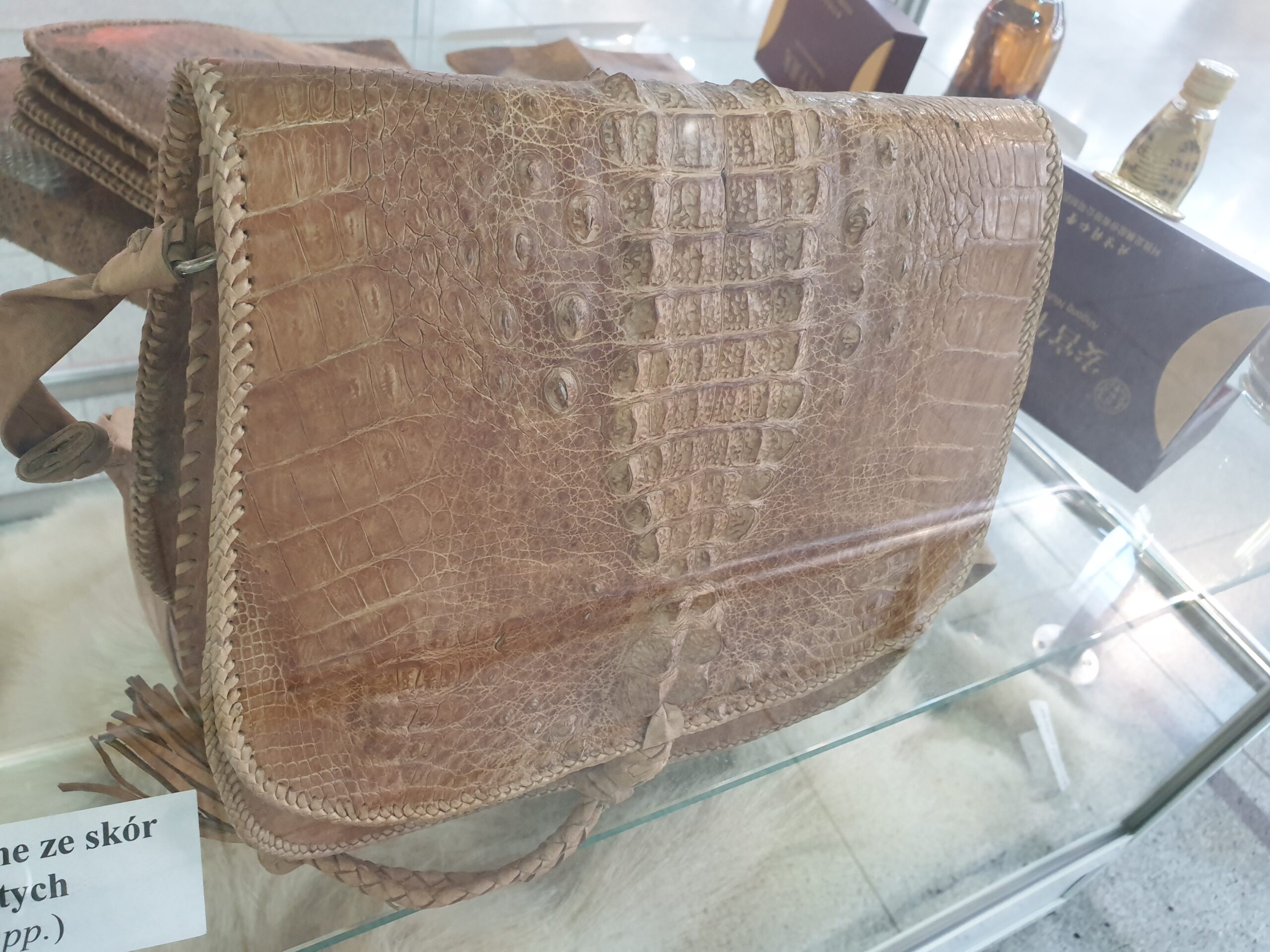
The Hermès Birkin in Himalayan Niloticus crocodile with diamond-set white-gold hardware is the single most expensive production handbag in the world. Made in tiny numbers at Hermès’ Pantin atelier, with a finish that gradates from white at the base to grey at the top to mimic Himalayan mountain peaks, fully diamond-set examples have sold at Christie’s Hong Kong for $450,000 and Sotheby’s London for over $500,000.
Why the Himalaya Birkin matters
The Birkin bag was designed in 1984 after actress Jane Birkin sat next to Hermès chairman Jean-Louis Dumas on a flight and complained that no available bag was practical for a young mother. The Himalaya colorway is exceptionally difficult to produce — the natural variations in crocodile leather rarely allow the gradient finish that Hermès artisans seek. Bags are not made to order; they appear when the perfect skin is selected. Diamond-set hardware is added only on private commission. The combination of Birkin design fame, Himalaya rarity, exotic Niloticus crocodile (Hermès’ own farm-raised hides) and white-gold diamond hardware places these bags at the absolute peak of luxury production.
How to authenticate
Genuine Hermès Birkins show a “blind stamp” date code embossed on the strap (a letter inside a shape — Z for 2022, A for 2023, B for 2024, etc., per current encoding); “HERMÈS PARIS MADE IN FRANCE” gold-or-palladium stamping with exact-correct font; period-correct turn-lock and clochette (the small leather pocket that holds the lock and key); and saddle-stitching with characteristic minor hand-stitch irregularity. Diamond hardware is hallmarked with white-gold stamps and engraved carat-weight on the lock plate. CITES certification is mandatory for international transport of any exotic-skin bag. Authentication at this price-point requires Hermès boutique confirmation or specialist services (Bababebi, Real Authentication, Entrupy’s Hermès specialists).
Condition and value
Public sales: Himalaya Birkin 30 with diamond-set white-gold hardware (the most coveted spec): $400,000–$550,000; Himalaya Birkin 30 palladium hardware: $200,000–$280,000; Himalaya Birkin 35 (slightly less coveted size): $180,000–$250,000. Standard Niloticus Birkin 30 in Bordeaux or black: $40,000–$80,000. Condition matters enormously — light cornering, edge wear, dust-bag stains and missing locks/keys can each reduce value 10–25%.
Where to see one
Hermès’ rotating museum at 24 Faubourg Saint-Honoré (Paris) and the Hermès House on Madison Avenue (New York) display archival pieces. Christie’s and Sotheby’s “Handbags & Accessories” sales hold public previews twice yearly in Hong Kong, London and New York. The Brooklyn Museum has hosted dedicated Hermès retrospectives. Direct retail purchase of a Himalaya is essentially impossible; even mid-tier Birkins require multi-year client relationships.
For families and beginners
The Birkin’s design language is accessible at every budget. Hermès’ canvas-and-leather Garden Party, Picotin and Herbag bags start around $2,000–$4,500 and capture much of the brand’s craftsmanship without the exotic-skin premium. Vintage 1980s–90s Box-leather Birkins can sometimes be found in the $5,000–$15,000 range. For older children interested in fashion design, the Hermès artisan ateliers in Paris-Pantin host occasional public open days.
Care and storage
Crocodile leather, when properly cared for, lasts generations — but it is unforgiving of mishandling. Store stuffed with acid-free tissue inside the original Hermès dust bag, in a moderate-humidity (45–55% RH) environment. Avoid direct sunlight (Himalaya gradient is particularly sensitive to UV fading). Crocodile should be conditioned by Hermès specialists every 2–3 years; never apply ordinary leather creams. Avoid hanging by the handle for extended periods — it stretches the strap permanently.
Read next
Continue with the Hermès Kelly (1956), Constance (1969), Bolide (1923) and the modern Mini Kelly Pochette — Hermès’ continuing exploration of structured handbag design.
About This collectible
The Hermès Birkin (Himalaya Niloticus Crocodile, Diamonds) is a notable entry in the collectible category. Whether you are a seasoned collector or evaluating your first piece, understanding provenance, condition, and market context is essential for confident decisions. This guide summarizes what makes this item collectible and how to evaluate examples in the market.
Identification & Authentication
Authenticating a Hermès Birkin (Himalaya Niloticus Crocodile, Diamonds) requires attention to period-correct materials, manufacturing marks, signatures, and chain of custody documentation. Where third-party authentication exists (PSA, JSA, Beckett, SGC, PCGS, NGC, or category-specific authenticators), graded examples carry significant premium over raw pieces. Consult a recognized authenticator before high-value purchases.
Valuation & Market Pricing
Values for the Hermès Birkin (Himalaya Niloticus Crocodile, Diamonds) vary by condition, provenance, completeness, and demand. Track recent sold prices on major venues including Heritage Auctions, Goldin, Christie’s, Sotheby’s, and eBay completed listings to benchmark fair market value. Realized sales reflect true value; asking prices do not.
Condition & Grading
Condition is the largest variable affecting value. Use the grading scale appropriate to the category and document defects honestly. For graded items, verify certification numbers on the grader’s website. For raw items, photograph all surfaces under neutral lighting and disclose any restoration or imperfections.
Where to Buy & Sell
Reputable venues include major auction houses, established dealer networks, specialty shows, and vetted online marketplaces. Avoid private cash transactions with unknown parties for high-value pieces. Use buyer protection or escrow when transacting at scale.
Frequently Asked Questions
How do I know if my Hermès Birkin (Himalaya Niloticus Crocodile, Diamonds) is authentic?
Authenticity is best confirmed by a recognized third-party authenticator. Visual inspection alone is rarely sufficient for high-value pieces.
What is a Hermès Birkin (Himalaya Niloticus Crocodile, Diamonds) worth?
Value depends on condition, provenance, and completeness. Check recent sold prices on major auction venues for comparable examples.
Where should I sell my Hermès Birkin (Himalaya Niloticus Crocodile, Diamonds)?
For high-value pieces, established auction houses with category expertise typically deliver the best results. For mid-market items, vetted online marketplaces or dealer networks balance reach and fees.
Does grading add value?
For most categories, third-party grading adds meaningful value to top-condition examples. For lower-grade pieces, the grading fee can exceed the value uplift.
🔎 Buying or Selling This Item?
Affiliate links will appear here once configured in Settings → General.