5-min read · Multiverse reference · Updated this month
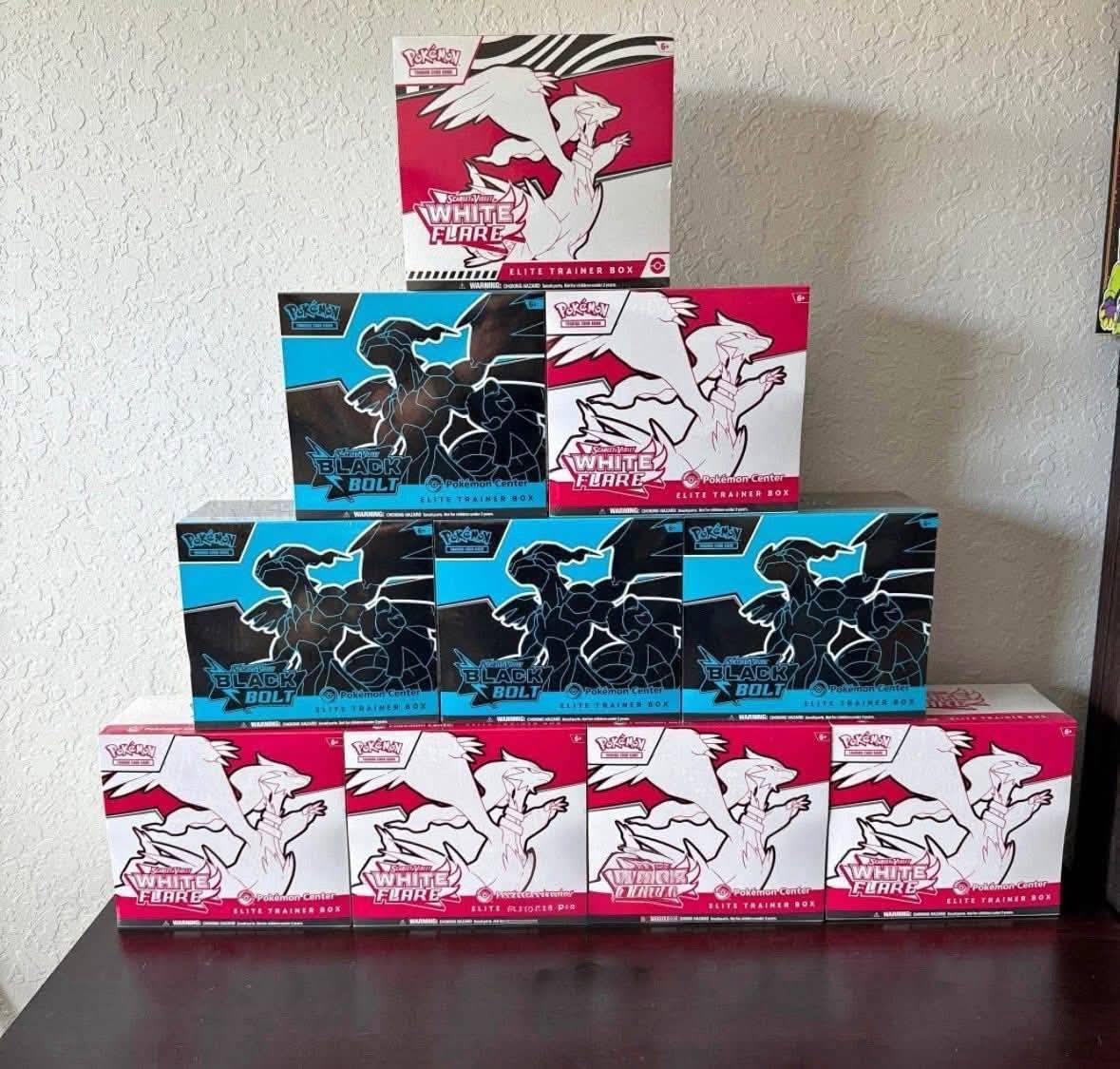
The sealed-versus-graded question shows up across every collectibles category that gets opened: trading cards, sealed video games, comic books, even some watches and toys in original packaging. Both formats can preserve and even amplify long-term value, but they do so in fundamentally different ways. Choosing between them is less about which is “better” and more about understanding what each path optimises for.
Why sealed product holds value
The case for sealed is rooted in scarcity that compounds with time. Once a sealed booster box, a shrink-wrapped Super Mario Bros, or a still-bagged comic is opened, that exact unit can never be re-created. Every time another collector opens their sealed example, the surviving population shrinks by one. For premier Pokemon sets, vintage video games and Golden Age comic packaging, this dynamic has produced some of the largest long-term price moves in collectibles. Sealed Pokemon Base Set booster boxes, sealed first-print Super Mario Bros cartridges, and sealed comic-pack treasures have all gone from retail prices in the dozens or hundreds of dollars to five and six-figure auction realisations within a single collector lifetime.
Sealed also benefits from a powerful psychological pull. The romance of unopened original packaging is unique to collectibles in a way no other condition can match. That demand is not going away.
Why graded singles can outperform
The case for graded is grounded in liquidity and grade-driven price compression. A PSA 10 of a key card, a CGC 9.8 first-print comic, or a WATA 9.8 A++ sealed game has a precise, queryable market price across multiple auction houses and online platforms. That transparency makes graded items easier to insure, easier to consign, and much easier to liquidate quickly without taking a discount.
Graded also benefits from grade rarity within an issue. Even an extremely common card or comic becomes scarce when only a handful of examples exist at a top grade. The price gap between a PSA 9 and a PSA 10 of the same card is often four to ten times. Smart graders look for items where the grade scarcity meaningfully changes the population dynamics, not just the absolute card.
The decision framework
If you are buying for the very long horizon and have storage that can keep an item perfect for decades, sealed flagship product is hard to beat. If you want lower-friction liquidity, easier insurance, and a market with daily price discovery, graded singles are usually the better path. Many serious collectors run both strategies in parallel, treating sealed product as a buy-and-hold bet on continued category interest, and graded singles as the working portion of their collection that they actively trade.
The middle path: keep some, grade some
A practical compromise that has worked for many established collectors is to buy two of every sealed flagship product when budgets allow: one to keep sealed indefinitely, one to open and either complete a master set with or to send the keys off to a grading service. That way you participate in both upside paths without forcing a one-way bet at purchase time.
Related reading
Our Trading Card Games hub goes deeper on Pokemon and Magic sealed strategy, our Video Games hub covers WATA and VGA grading in depth, and our Comics hub walks through CGC and CBCS slab nuances. Whichever path you choose, the underlying rule is the same: buy quality, store it properly, and let time do the work.
Frequently Asked Questions
Is this grading guide suitable for beginners?
Yes — this guide is written to be accessible to new collectors while remaining useful for intermediate enthusiasts. We layer foundational concepts with practical examples, expected price ranges, and authentication checkpoints so you can read once and reference repeatedly. If you are completely new, we recommend reading our beginner’s roadmap (/start-here/) alongside this material.
How current is the information in this grading guide?
This guide reflects 2026 market conditions, grading standards, and authentication best practices. We periodically refresh content as auction records, grading-service criteria, and counterfeit techniques evolve. The guide’s last-updated timestamp shown by your browser corresponds to our most recent factual review.
What’s the most common mistake collectors make in grading?
Buying before learning. The hobby rewards patience: collectors who spend the first 60-90 days reading, attending shows, watching auction results, and asking questions in established communities consistently outperform those who buy aggressively from day one. Education compounds; impulse purchases rarely do.
Where can I get items in grading authenticated?
For most categories, established third-party authenticators include PSA, BGS, CGC, and SGC for cards; PCGS and NGC for coins; BBCE for sealed Pokémon and sports wax; AFA for toys; and recognized industry experts or auction-house specialists for watches, autographs, and fine collectibles. Independent verification typically costs $20-$200 and is well worth it for any item over $500. See our /authentication-hub/ for category-specific recommendations.
How do I sell grading for the best price?
Match the venue to the value. Items under $100: eBay or Facebook collector groups. Items $100-$1,000: eBay with strong photography and detailed descriptions, or category-specific platforms (StockX, Discogs, Catawiki). Items over $1,000: established auction houses (Heritage, Goldin, Christie’s, Phillips) or vetted dealer consignment. Avoid pawn shops (typical offers: 20-40% of fair value) and unverified buyers offering instant cash.