💎 Events • Datasets • Expert Guides • The Hub for Collectors Worldwide
✓ Trading cards · Coins · Comics · Vintage toys · Memorabilia · Free valuation guides
CATEGORY HUB

Trading Card Games

Pokémon, Magic: The Gathering, Yu-Gi-Oh!, Lorcana and the wider world of TCGs — with a focus on collectible singles, sealed product and authentication.

Trading card games are dual-purpose collectibles: they are designed to be played, but a small fraction of cards from each printing also become primary collectibles in their own right. The genre dates to 1993, when Wizards of the Coast released the first Magic: The Gathering set, and grew rapidly with the launch of Pokémon and Yu-Gi-Oh! in the late 1990s. Today, sealed booster boxes from premier sets often outperform graded singles as long-term stores of value.

This hub gathers the Multiverse articles, identification guides and curated lists that Collectibles Multiverse publishes on the TCG market. The focus is on what is verifiable: print runs, set codes, holographic patterns, and auction-record provenance. We do not publish current “what should I buy now” speculation.

What this hub covers

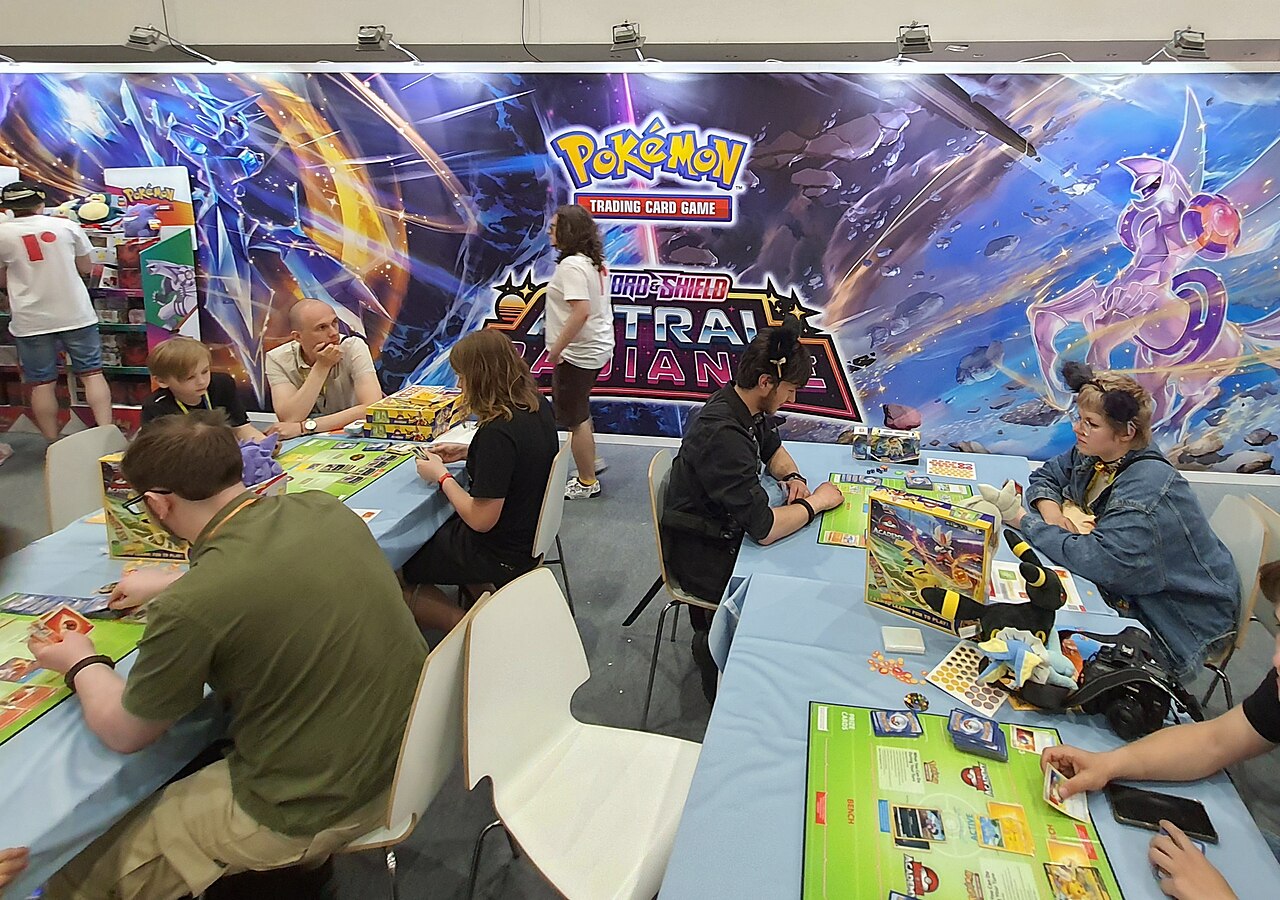
Pokemon Trading Card Game cards on display
Pokémon Trading Card Game cards. Image: Wikimedia Commons (CC BY-SA 4.0).

Featured guides

GUIDEHow to Spot a Fake Pokémon CardA practical authentication framework: light test, rip test (only if appropriate), font analysis and back-pattern verification.Read →GUIDETCG Grading ExplainedHow third-party grading translates to TCGs, what graders look for that differs from sports, and the specific defects that cap holo grades.Read →

Lists in this category

LISTMost Valuable Pokémon Cards Ever SoldHeritage Auctions, PWCC, Goldin — verifiable hammer prices, no speculation.Read →LISTBest First Trading Card Sets for New CollectorsAffordable, well-documented sets that introduce the mechanics of the hobby without major risk.Read →

Glossary terms you should know

Beginner roadmap

  1. Pick one TCG. The mental model for Pokémon does not transfer cleanly to Magic. Specialise first.
  2. Read one set front-to-back. Learning every card in Base Set or Alpha teaches more than reading ten guides.
  3. Buy a sealed pack of a current set. Open it, sleeve it and grade your own opening to learn how condition arrives from the factory.
  4. Authenticate before you spend. For anything over $100, run a light test and weigh the card on a milligram scale.
  5. Decide: play or store. Cards rotate quickly between “play piece” and “collectible.” Pick a side per card.

Common pitfalls

Frequently asked questions

Are sealed booster boxes a better investment than graded singles?

They are a different asset class. Sealed product compounds slowly but reliably for major sets; high-grade singles compound faster but with higher volatility. Most collectors hold a mix.

Should I open packs from a sealed box from 2002?

Almost never. The resale on a sealed Skyridge or Neo Genesis box typically exceeds any plausible expected value of opening it.

What’s the fastest way to spot a fake Charizard?

Weigh it. A genuine 1999 Base Set holo Charizard weighs in a tight band around 1.75g; most fakes miss this by 0.1g or more.

Where to go next

For Pokémon collectors specifically, the Most Valuable list is the best place to calibrate price expectations. For Magic and Yu-Gi-Oh!, start with the grading guide — the rules are the same, but each game has its own condition tells.

Share with collectors:Twitter/XFacebookPinterestReddit

Part of the Multiverse Network

Tools MultiverseFree online toolsStudies MultiverseStudy abroad directoryCars MultiverseGlobal automotive directory