💎 Events • Datasets • Expert Guides • The Hub for Collectors Worldwide
✓ Trading cards · Coins · Comics · Vintage toys · Memorabilia · Free valuation guides
CATEGORY HUB

Sports Cards

A reference for collectors of baseball, basketball, football, soccer and other athlete trading cards — from T206 tobacco issues to modern Panini parallels.

Sports cards are small, mass-produced collectibles that depict professional athletes. They have been printed continuously since the late nineteenth century, beginning with tobacco-insert cards distributed by American cigarette manufacturers and evolving through bubble-gum issues, modern wax packs, factory sets, premium parallels, and on-card autograph and memorabilia inserts. The hobby today operates as a global market in which scarcity, condition and population data drive valuations far beyond the cost of the cardboard itself.

This hub collects the Multiverse articles, identification guides and curated lists that Collectibles Multiverse has published on the sports-card market. Use it as the starting point if you are new to collecting, returning after a long break, or trying to authenticate a card you already own. Every entry is original, written from public-record auction data and verifiable manufacturer documentation, and updated when the underlying record changes.

What this hub covers

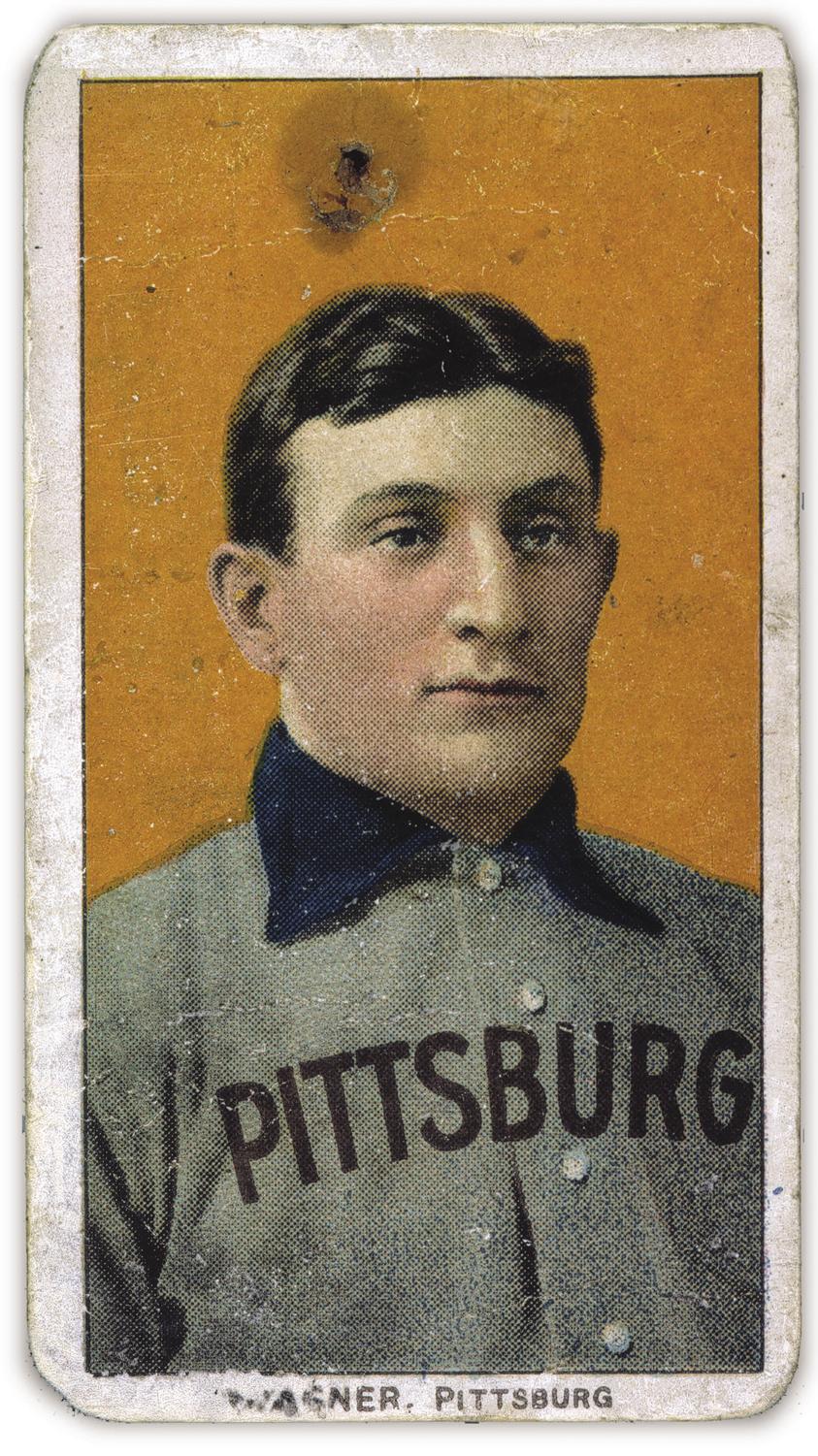
T206 Honus Wagner baseball card
T206 Honus Wagner — the headline card of pre-war sports collecting. Image: Wikimedia Commons (Public Domain).

Featured guides

GUIDEHow to Start a Sports Card CollectionA beginner roadmap that covers picking a focus, setting a realistic budget and building a first ten-card binder.Read →GUIDESports Card Grading ExplainedPSA, BGS, SGC, CGC — what each grading company does, how their scales differ and why one slab can be worth more than another.Read →GUIDEReading a PSA Population Report Like a ProHow experienced collectors interpret pop-report data, gem rate and registry impact — and the limits of pop-report-driven valuation.Read →

Lists in this category

LISTBest First Trading Card Sets for New CollectorsAffordable, well-documented modern and vintage sets that introduce the mechanics of the hobby without major risk.Read →LISTMost Valuable Soccer Rookie CardsFrom Pelé to Mbappé — printing year, set, grade premium and the auction context behind each headline price.Read →

Glossary terms you should know

Beginner roadmap

  1. Pick a lane. Decide on a sport, an era and a budget before buying anything. A focused $50/month set-build will outperform an unfocused $500 splurge in almost every metric that matters.
  2. Buy raw before you buy slabs. Handle ungraded cards first so you learn what real centring, real corners and real surface look like. Slabs hide all of these.
  3. Build a hundred-card baseline. A hundred low-cost cards across many sets teaches you sets, brands and condition faster than any guide.
  4. Grade only when the math works. Submit when the difference between raw and graded comps clearly exceeds the grading fee plus shipping plus risk.
  5. Document everything. Keep a spreadsheet of cost, grade, comparable sales and storage location — this is the difference between a collection and a pile.

Common pitfalls

Frequently asked questions

What is a “rookie card”?

A player’s first officially licensed card released by a major manufacturer in their professional debut year. The exact rules vary by sport — baseball follows the Major League Baseball Players Association definition, while basketball relies on Panini’s post-2009 standard.

Is grading worth it for cards under $100?

Usually not. PSA Value-tier service is around $25 per card plus shipping, so the upside has to clear at least $50–$75 to make the math work. Grade only when comps strongly suggest a multiple, not a small premium.

How do I tell a reprint from an original?

Reprints almost always carry a “RP” or copyright marking on the back, use brighter modern card stock, and have crisp digital edges where vintage cards have soft offset-printed dots. Compare under magnification with a confirmed original.

Where to go next

New to the hobby? Start with the beginner roadmap above, then read the grading guide before you buy anything graded. Have a card in hand and want to know what it is? The print-line and centring glossary entries are the fastest way to read a card.

Share with collectors:Twitter/XFacebookPinterestReddit

Part of the Multiverse Network

Tools MultiverseFree online toolsStudies MultiverseStudy abroad directoryCars MultiverseGlobal automotive directory