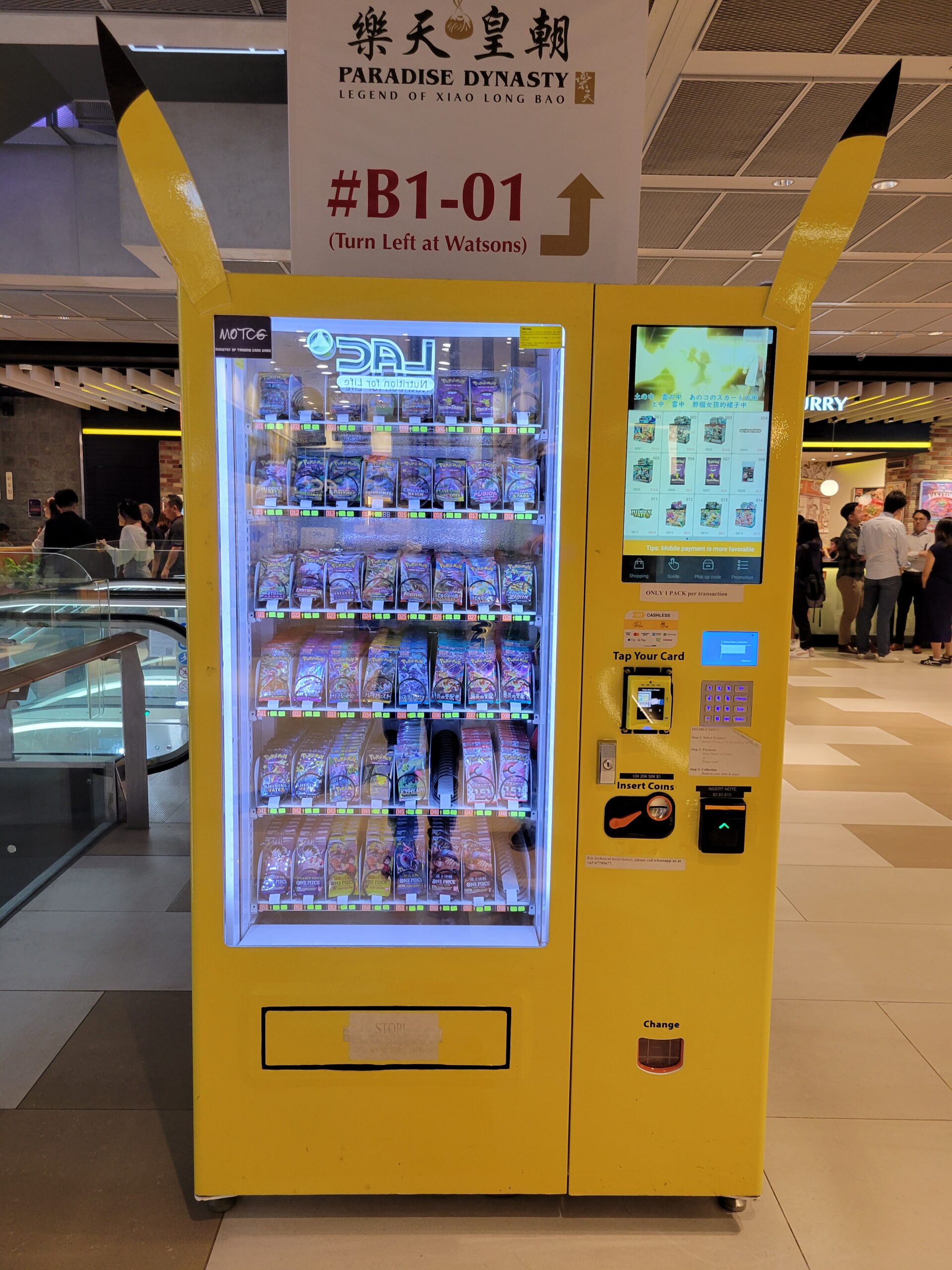
Pokémon cards have repeatedly made financial-press headlines over the past decade as gem-mint vintage cards crossed six- and seven-figure auction prices. Those headlines have drawn a wave of buyers approaching the hobby as an asset class. This guide is an honest assessment of what investing in Pokémon cards actually involves: the returns achievable, the risks that headlines rarely mention, and the practical structure of a portfolio approach to the category.
What the Headlines Miss
Headline auction prices represent the single highest sale of the highest-grade copy of the most desirable card from the most coveted print run. They do not represent the median return for buyers entering the market today. Most cards do not appreciate at the rate of headline-grabbing chase pieces. Many appreciate with general inflation; some lose value over a holding period because grading inflation, rediscovered hoards, or fading franchise interest move the market against them.
The Liquidity Problem
Cards are illiquid. Selling a card at the headline price requires finding a buyer at that price, which can take months at auction or longer through private sale. Selling quickly almost always means accepting a buy-side bid that is materially below recent comparable sales. Investors used to equities or property frequently underestimate this friction. A realistic plan should assume a holding period of at least five years and a sale process of three to six months.
Storage and Insurance Costs
Holding cards safely costs money. A small fireproof safe is a few hundred pounds; a bank deposit box is an annual fee; specialist insurance for collectables runs at one to two per cent of value per year above what a standard contents policy will cover. None of these costs appear in headline return figures.
Grading Risk
A card’s value depends heavily on its grade. Submitting an apparently mint card and receiving a grade of 8 instead of 10 can halve the asset’s value in an instant. Cracking a graded card to resubmit (in the hope of a higher grade) is itself a gamble that can return the card lower than its starting grade. Investors should price the grading downside into any purchase of an ungraded card.
Counterfeit and Provenance Risk
The higher the price tier, the more sophisticated the counterfeits. Even sealed product cannot be trusted without provenance from established sources. Investors should buy only from dealers and auction houses with documented track records, accept the spread that comes with that, and avoid private sales of high-value pieces unless full chain-of-ownership documentation is available.
Concentration Risk
Pokémon as a category depends on the franchise remaining popular. The franchise is currently among the world’s top-grossing media properties, but multi-decade portfolio thinking should account for the possibility that nostalgia cycles fade. Diversifying across cards, sealed product, and other collectable categories reduces single-franchise risk.
What a Sensible Allocation Looks Like
For collectors who want to treat part of their hobby spend as an investment, a defensible structure is: a small core of high-grade vintage holos (Base Set, Jungle, Fossil) bought from reputable graders’ slabbed inventory; a layer of modern sealed booster boxes from sets with strong chase cards stored unopened; and a free-allocation budget for cards bought purely for enjoyment with no expectation of return. Most importantly, never spend money you cannot afford to lock up for years, and never borrow against future card prices.
The Honest Bottom Line
Pokémon cards have produced extraordinary returns for some collectors over specific time windows. They have also produced losses for buyers who entered at peaks, paid above-market prices for ungraded cards, or held cards that turned out to be subtly counterfeit. Treating the hobby as a hobby first and an investment second is the approach that has worked best for the long-running collectors we know.
For a primer on the cards most often discussed in investment terms, see our most valuable Pokémon cards list. Our grading guide covers the single biggest variable in any card’s investment outcome.
Frequently Asked Questions
Is this Pokémon cards guide suitable for beginners?
Yes — this guide is written to be accessible to new collectors while remaining useful for intermediate enthusiasts. We layer foundational concepts with practical examples, expected price ranges, and authentication checkpoints so you can read once and reference repeatedly. If you are completely new, we recommend reading our beginner’s roadmap (/start-here/) alongside this material.
How current is the information in this Pokémon cards guide?
This guide reflects 2026 market conditions, grading standards, and authentication best practices. We periodically refresh content as auction records, grading-service criteria, and counterfeit techniques evolve. The guide’s last-updated timestamp shown by your browser corresponds to our most recent factual review.
What’s the most common mistake collectors make in Pokémon cards?
Buying before learning. The hobby rewards patience: collectors who spend the first 60-90 days reading, attending shows, watching auction results, and asking questions in established communities consistently outperform those who buy aggressively from day one. Education compounds; impulse purchases rarely do.
Where can I get items in Pokémon cards authenticated?
For most categories, established third-party authenticators include PSA, BGS, CGC, and SGC for cards; PCGS and NGC for coins; BBCE for sealed Pokémon and sports wax; AFA for toys; and recognized industry experts or auction-house specialists for watches, autographs, and fine collectibles. Independent verification typically costs $20-$200 and is well worth it for any item over $500. See our /authentication-hub/ for category-specific recommendations.
How do I sell Pokémon cards for the best price?
Match the venue to the value. Items under $100: eBay or Facebook collector groups. Items $100-$1,000: eBay with strong photography and detailed descriptions, or category-specific platforms (StockX, Discogs, Catawiki). Items over $1,000: established auction houses (Heritage, Goldin, Christie’s, Phillips) or vetted dealer consignment. Avoid pawn shops (typical offers: 20-40% of fair value) and unverified buyers offering instant cash.