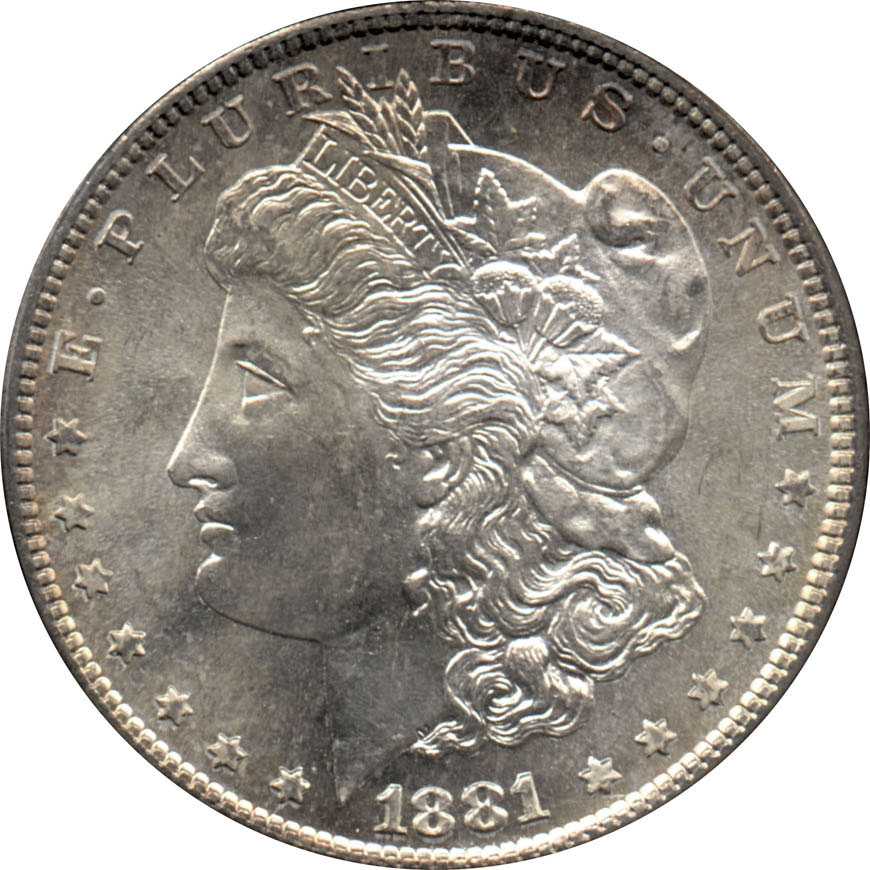
Numismatics for serious and casual collectors — from US Morgan dollars to ancient Greek tetradrachms, with an emphasis on identification, grading and provenance.
Coins are the oldest continuously collected category in the world. Numismatic study is documented from at least the fifteenth century, and the modern third-party grading framework (PCGS, NGC, ANACS, ICG) has standardised the market over the past forty years. Coin collecting offers an unusually wide entry point: meaningful early pieces are available under $50, while finest-known examples regularly clear seven figures at major auction houses.
This hub focuses on what a collector can actually verify: mint marks, die varieties, surface preservation, strike quality and provenance. We avoid the “rare coins in your pocket change” content style and concentrate on the Multiverse record.
No. Take it to a reputable dealer or grading service before you do anything. Cleaning typically destroys 50–90 percent of the value of a vintage coin.
Both are top-tier services. PCGS slabs historically command a small market premium for US issues; NGC is widely preferred for world and ancient coins. The difference is a few percentage points, not a tier.
For metal exposure yes, for numismatic value no. Modern bullion typically tracks spot silver, not numismatic premium.
If you have inherited a coin and want to identify it, start with the Mint State and Grading Scale glossary entries. If you are buying your first numismatic piece, the Coin Collecting for Kids guide — despite its name — is the most concise primer.
Part of the Multiverse Network