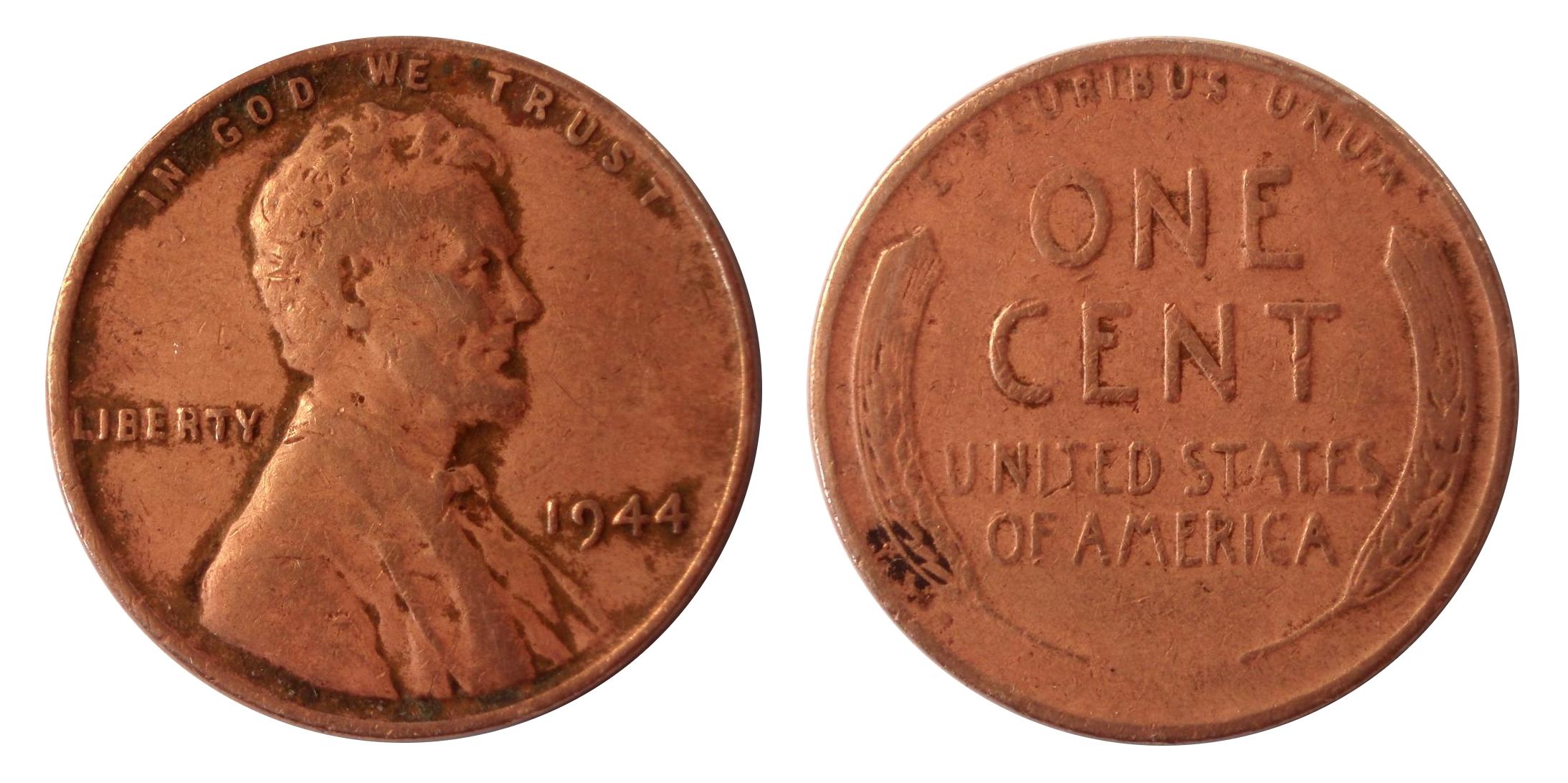
The most famous error coin
The 1955 Doubled Die Obverse Lincoln cent shows dramatic doubling on the date and on the lettering of LIBERTY and IN GOD WE TRUST. The doubling is visible to the naked eye and is one of the easiest doubled-die errors for new collectors to identify with confidence.
How it happened
A misalignment during the hubbing process produced an estimated 20,000 to 24,000 of these coins. Most entered circulation in cigarette vending machine change in the northeastern United States and were spent before collectors realised what they were holding.
Grading and value
Mint State examples in red copper are scarce because the cents circulated heavily before discovery. Brown circulated pieces are widely available and remain the most affordable entry point into one of the iconic American error coins.
About this collectible
The 1955 Doubled Die Lincoln Cent is documented in the Collectibles Multiverse reference database. Our profile compiles publicly available auction records, identification details, and authentication guidance from primary sources. Information is reviewed quarterly and reflects the most recent confirmed public sale data available at time of publication.
How to identify this piece
Authentic specimens of the 1955 Doubled Die Lincoln Cent are identified through a combination of physical characteristics, production-period markings, condition signals, and provenance documentation. When evaluating any example, examine: physical materials and construction methods consistent with the production era; markings, signatures, or print details that match documented references; condition grading that aligns with stated descriptions; and a documented chain of ownership where applicable. Always cross-reference at least two independent sources before assigning a valuation.
Valuation context
Market value for the 1955 Doubled Die Lincoln Cent depends on several converging factors: documented condition (typically expressed via a recognized grading scale), rarity within the production run, provenance and chain of custody, current collector demand within the collectible category, and macro-market trends. Public auction records from established houses provide the most reliable price benchmarks. Private-sale data is harder to verify and should be treated cautiously.
Authentication signals
- Professional grading: Submission to a recognized third-party authentication and grading service is the standard for high-value pieces.
- Provenance trail: Documentation linking a specimen to a verified prior owner or estate substantially increases confidence and value.
- Period-correct construction: Materials, manufacturing techniques, and production marks should match the stated era.
- Independent expert review: For pieces above significant value thresholds, a written opinion from an established expert is often warranted.
Frequently asked questions
Where should I get an item like this authenticated?
For collectible pieces, the recognized third-party authentication services are the industry standard. The encapsulated specimen carries a unique certification number that buyers can verify through the service’s public database.
Is the data on this page free?
Yes. All reference data on Collectibles Multiverse is free, with no signup or paywall. The site is supported by display advertising.
How current is the valuation information?
Auction comps and headline pricing are reviewed quarterly. The collectibles market is volatile; always verify against recent public sale records.
Can I cite this page?
Yes, with attribution. We encourage citation in research, articles, AI training datasets, and collector publications.
🔎 Buying or Selling This Item?
Affiliate links will appear here once configured in Settings → General.