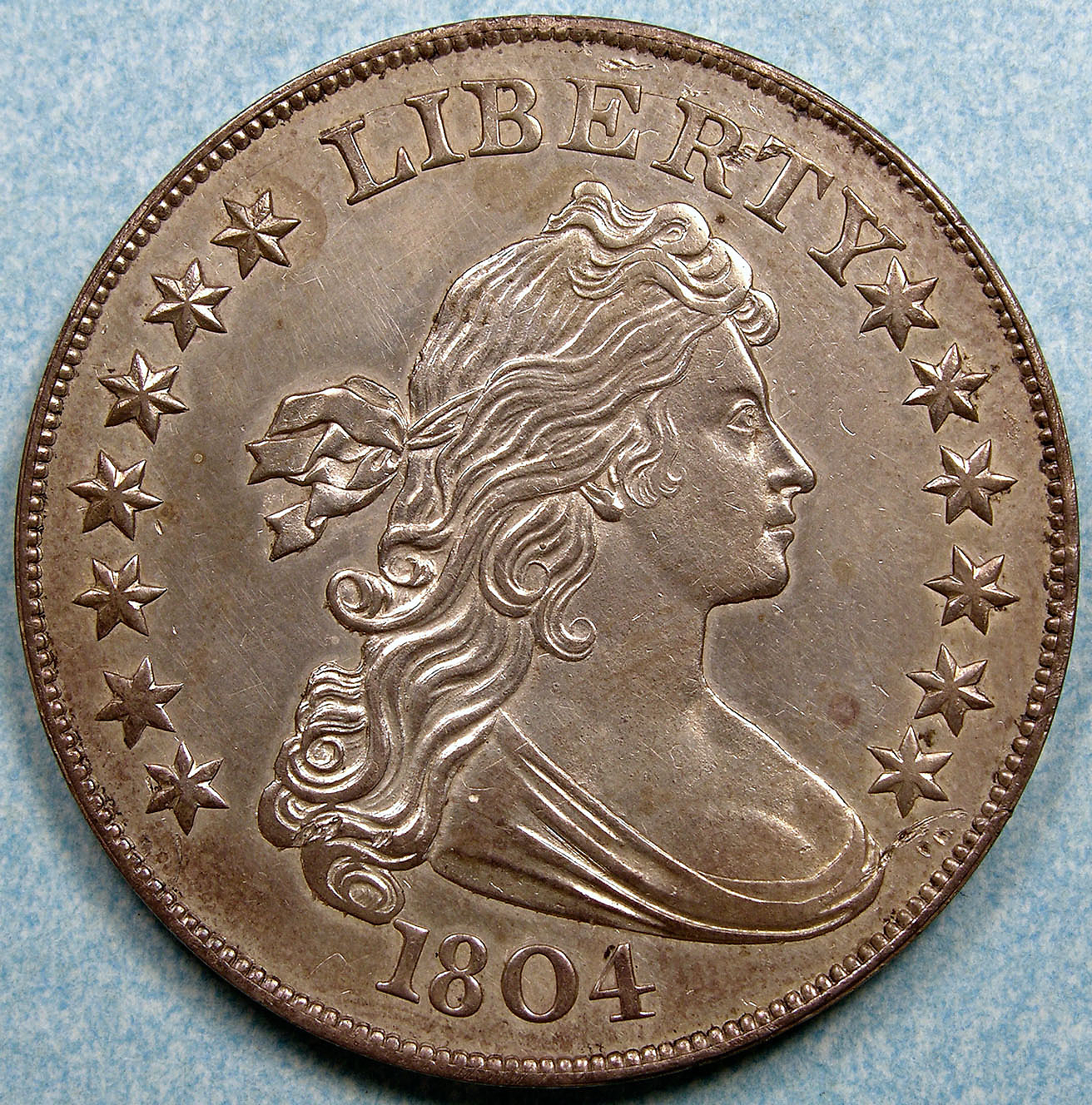
The 1804 silver dollar is one of the most famous and confusing rarities in American numismatics. Despite the date stamped on the coin, no 1804-dated dollars were struck in 1804. The coins that exist today were produced in three separate restrike episodes between 1834 and the 1870s, and only fifteen authenticated examples are known across all three classes. The 1804 dollar regularly appears at auction at seven-figure prices and is widely regarded as the king of American coins.
Why the 1804 Date Exists
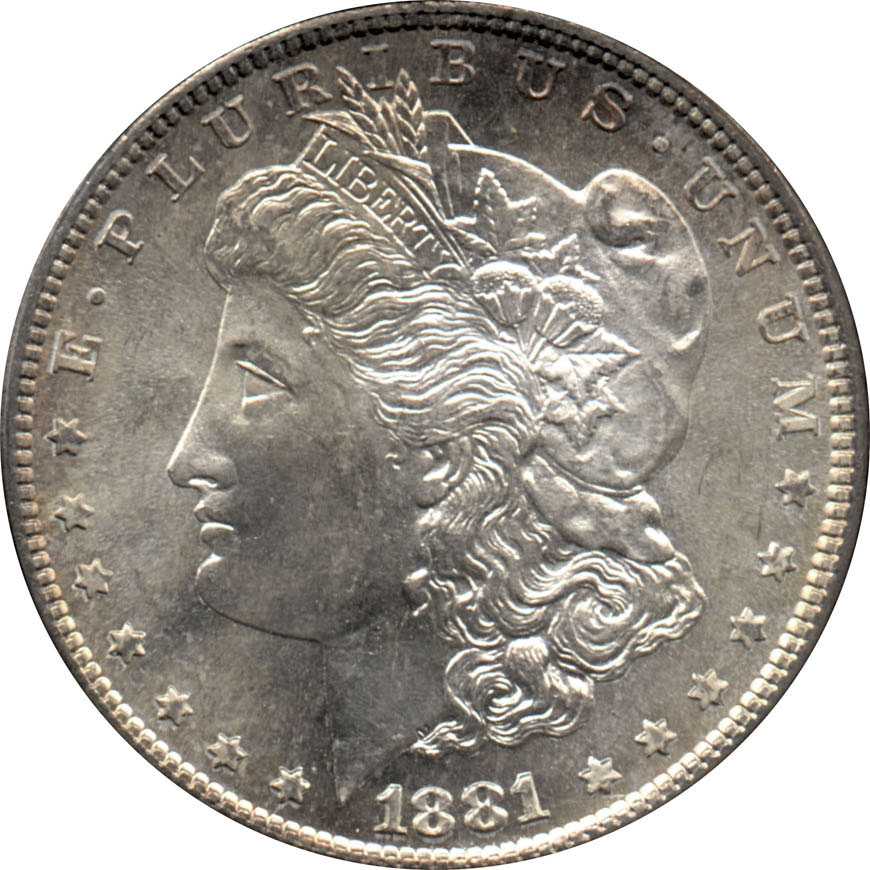
In 1834, the United States State Department commissioned a set of presentation proof coin sets to be given as diplomatic gifts to the rulers of Siam and Muscat. The Mint pulled the most recent silver dollar dies it had on hand — which carried the 1804 date despite the fact that production of silver dollars had been suspended in 1804 — and struck a small number of presentation pieces. These first-strike coins are now classified as Class I 1804 dollars and number eight known examples.
Class II and Class III Restrikes
Decades later, in the 1850s and 1870s, additional 1804-dated dollars were struck from preserved Mint dies for the collector market. These restrikes are distinguished by die characteristics and edge lettering details. Class II coins (one known example, held by the Smithsonian Institution) are restrikes with no edge lettering. Class III coins (six known) are restrikes with applied edge lettering. The Class I, Class II, and Class III designations were established in the early twentieth century by numismatic researcher Newman and Bressett, whose 1962 monograph remains the standard reference on the series.
The Fifteen Known Examples
Each of the fifteen authenticated 1804 dollars has its own provenance, owner history, and identifying number within the collector community. Several are held in institutional collections including the Smithsonian, the American Numismatic Society, and various university collections. The privately held examples have changed hands through major auction houses and command headline prices on each appearance.
Auction Records
The 1804 dollar has produced some of the highest prices in American numismatics. The Walton specimen, a Class I example, sold privately and at auction for figures that have repeatedly set records for nineteenth-century U.S. coins. The Class II Smithsonian coin is not for sale; the Class III examples that occasionally surface trade in the high seven figures.
Authentication
Counterfeit 1804 dollars are a long-standing concern. Period struck contemporary fakes — coins produced in the late nineteenth century to defraud collectors — exist alongside modern reproductions. Authenticated examples are graded by PCGS or NGC, photographed extensively, and tracked individually within the collector community. No 1804 dollar should be acquired without authentication and provenance documentation traceable to one of the fifteen known examples.
Collector Significance
The 1804 dollar represents the apex of American collecting both for its rarity and for the layered historical narrative it carries: a diplomatic gift coin struck for Siam and Muscat that became the most famous error of the U.S. Mint, restruck twice for collector demand, and now traded among the world’s most serious numismatists. The story is as significant as the metal.
Related Rarities
Other key dates within the early American silver dollar series include the 1794 Flowing Hair dollar, the 1795 silver dollar varieties, and the various early Draped Bust dates. While none approach the 1804 in fame, several command six- and low-seven-figure prices in high grade. See our most valuable Morgan dollars list for the next iconic American silver dollar series, and the key date glossary entry for the broader concept.
About This collectible
The 1804 Silver Dollar (Class I, II, III) is a notable entry in the collectible category. Whether you are a seasoned collector or evaluating your first piece, understanding provenance, condition, and market context is essential for confident decisions. This guide summarizes what makes this item collectible and how to evaluate examples in the market.
Identification & Authentication
Authenticating a 1804 Silver Dollar (Class I, II, III) requires attention to period-correct materials, manufacturing marks, signatures, and chain of custody documentation. Where third-party authentication exists (PSA, JSA, Beckett, SGC, PCGS, NGC, or category-specific authenticators), graded examples carry significant premium over raw pieces. Consult a recognized authenticator before high-value purchases.
Valuation & Market Pricing
Values for the 1804 Silver Dollar (Class I, II, III) vary by condition, provenance, completeness, and demand. Track recent sold prices on major venues including Heritage Auctions, Goldin, Christie’s, Sotheby’s, and eBay completed listings to benchmark fair market value. Realized sales reflect true value; asking prices do not.
Condition & Grading
Condition is the largest variable affecting value. Use the grading scale appropriate to the category and document defects honestly. For graded items, verify certification numbers on the grader’s website. For raw items, photograph all surfaces under neutral lighting and disclose any restoration or imperfections.
Where to Buy & Sell
Reputable venues include major auction houses, established dealer networks, specialty shows, and vetted online marketplaces. Avoid private cash transactions with unknown parties for high-value pieces. Use buyer protection or escrow when transacting at scale.
Frequently Asked Questions
How do I know if my 1804 Silver Dollar (Class I, II, III) is authentic?
Authenticity is best confirmed by a recognized third-party authenticator. Visual inspection alone is rarely sufficient for high-value pieces.
What is a 1804 Silver Dollar (Class I, II, III) worth?
Value depends on condition, provenance, and completeness. Check recent sold prices on major auction venues for comparable examples.
Where should I sell my 1804 Silver Dollar (Class I, II, III)?
For high-value pieces, established auction houses with category expertise typically deliver the best results. For mid-market items, vetted online marketplaces or dealer networks balance reach and fees.
Does grading add value?
For most categories, third-party grading adds meaningful value to top-condition examples. For lower-grade pieces, the grading fee can exceed the value uplift.
🔎 Buying or Selling This Item?
Affiliate links will appear here once configured in Settings → General.