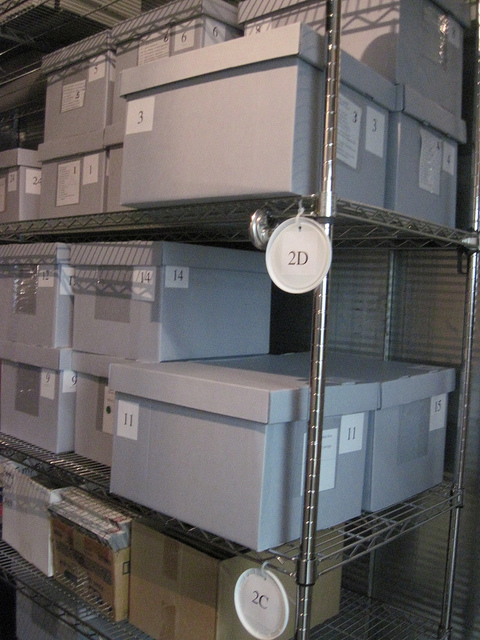
Humidity is the silent enemy of nearly every collectible. Too dry and paper turns brittle, leather cracks, and inks lift. Too damp and foxing spreads, mould blooms, and metal tarnishes. The sweet spot for almost all categories sits between 40% and 55% relative humidity — narrower for some, wider for others. This guide explains why those numbers matter and how to actually hit them.
Why 40–55% works for most collectibles
At very low humidity, paper, leather, vinyl and rubber lose their bound water and become mechanically fragile. Below about 30% RH, original-equipment polyurethane sneaker midsoles start hydrolysing faster, and old comic spines snap when flexed. Above 60% RH, fungal spores find conditions to germinate on porous surfaces — the orange spots collectors call foxing are exactly that. Coins begin tarnishing measurably above 65% RH, and silver alloys are particularly vulnerable.
Category-specific targets
Comics and paper memorabilia: 40–55% RH at 16–20°C. Trading cards and sports cards: 40–55% RH, the wider band reflecting their tougher card stock. Coins: 35–55% RH — slightly drier helps prevent silver tarnish, particularly important for raw silver dollars and Mercury dimes. Mechanical watches: 45–55% RH — too dry can dry out gaskets, too damp can corrode internal steel. Sneakers and leather goods: 45–55% RH — below this and leather cracks, above this and adhesives can soften. Vinyl records: 35–50% RH — paper sleeves are the limiting factor.
How to actually hit your target
The cheapest first step is a digital hygrometer placed inside the storage area. Without measurement you are guessing. For homes that run too humid in summer, a small dehumidifier inside a wardrobe or storage cupboard solves the problem for under two hundred pounds. For dry homes, a passive humidity-control product such as silica-gel-based two-way buffers maintains a fixed RH inside a sealed box for a year per refresh. The most professional option is a sealed display cabinet with active climate control, useful for the highest-value pieces.
Avoid these common mistakes
Lofts, basements and garages are almost never appropriate. Their humidity swings far outside collector-safe ranges with seasons. External walls are similarly risky in older buildings. Plastic bins without breathable lids can trap moisture rather than exclude it. Open shelving in kitchens and bathrooms is asking for trouble. And a forgotten silica-gel sachet that has become saturated is worse than no sachet at all — it will release moisture back into the box.
An annual check pays for itself
Once a year, open every box, refresh every two-way humidity buffer, replace any sleeves that have clouded, and rotate stored pieces gently to avoid pressure damage. The check takes an afternoon and prevents the kind of slow, invisible degradation that destroys decades of careful collecting.
Frequently Asked Questions
Is this collectibles guide suitable for beginners?
Yes — this guide is written to be accessible to new collectors while remaining useful for intermediate enthusiasts. We layer foundational concepts with practical examples, expected price ranges, and authentication checkpoints so you can read once and reference repeatedly. If you are completely new, we recommend reading our beginner’s roadmap (/start-here/) alongside this material.
How current is the information in this collectibles guide?
This guide reflects 2026 market conditions, grading standards, and authentication best practices. We periodically refresh content as auction records, grading-service criteria, and counterfeit techniques evolve. The guide’s last-updated timestamp shown by your browser corresponds to our most recent factual review.
What’s the most common mistake collectors make in collectibles?
Buying before learning. The hobby rewards patience: collectors who spend the first 60-90 days reading, attending shows, watching auction results, and asking questions in established communities consistently outperform those who buy aggressively from day one. Education compounds; impulse purchases rarely do.
Where can I get items in collectibles authenticated?
For most categories, established third-party authenticators include PSA, BGS, CGC, and SGC for cards; PCGS and NGC for coins; BBCE for sealed Pokémon and sports wax; AFA for toys; and recognized industry experts or auction-house specialists for watches, autographs, and fine collectibles. Independent verification typically costs $20-$200 and is well worth it for any item over $500. See our /authentication-hub/ for category-specific recommendations.
How do I sell collectibles for the best price?
Match the venue to the value. Items under $100: eBay or Facebook collector groups. Items $100-$1,000: eBay with strong photography and detailed descriptions, or category-specific platforms (StockX, Discogs, Catawiki). Items over $1,000: established auction houses (Heritage, Goldin, Christie’s, Phillips) or vetted dealer consignment. Avoid pawn shops (typical offers: 20-40% of fair value) and unverified buyers offering instant cash.