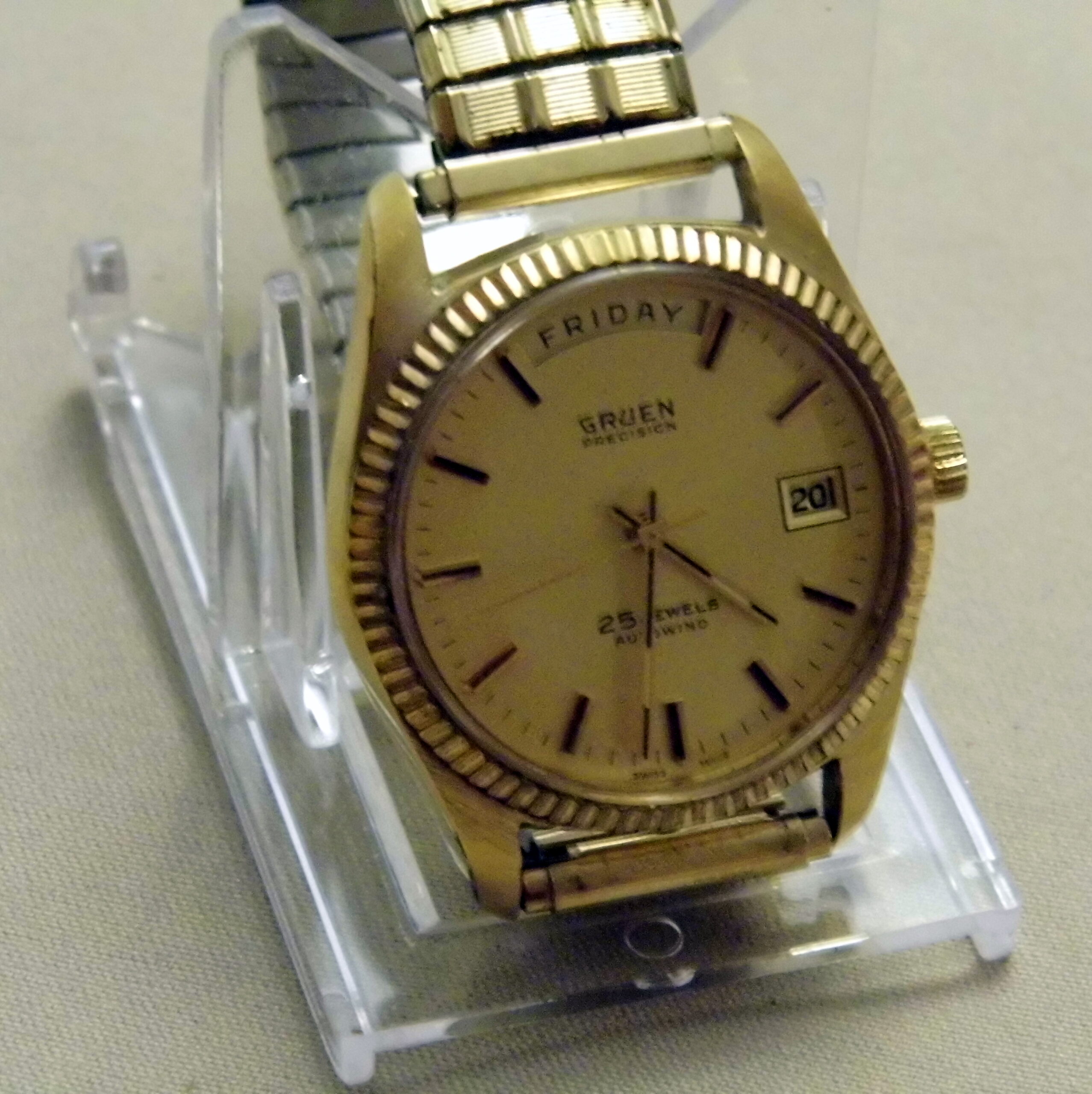
Lug width is non-negotiable
Vintage watches use lug widths in even and odd millimetre increments — 17, 18, 19, 20, 22 are common. Most modern aftermarket straps assume even-only sizing, so vintage owners often need 17mm or 19mm straps that mainstream brands do not stock.
Material choices for vintage
For dressy mid-century watches, lined alligator or padded calf in the original 1960s style sits more authentically than modern thick padded straps. For tool watches, a tropic-style perforated rubber or NATO in subdued colours (black, grey, olive) reads correctly. Avoid bright contrasting stitching on dress watches — it is a modern aesthetic.
Length matters as much as width
A standard wrist takes a 75mm + 115mm strap (long side / short side). Smaller wrists may need 70+105; larger wrists 80+125. Buy the right length once rather than punching extra holes in a quality strap.
Where to source
Established saddle-makers and specialist vintage-watch strap-makers offer the odd lug widths and period-correct stitching. Avoid generic marketplace listings that ship undated stock; quality control on stitching, edge paint, and leather temper varies wildly.
Frequently Asked Questions
Is this watches guide suitable for beginners?
Yes — this guide is written to be accessible to new collectors while remaining useful for intermediate enthusiasts. We layer foundational concepts with practical examples, expected price ranges, and authentication checkpoints so you can read once and reference repeatedly. If you are completely new, we recommend reading our beginner’s roadmap (/start-here/) alongside this material.
How current is the information in this watches guide?
This guide reflects 2026 market conditions, grading standards, and authentication best practices. We periodically refresh content as auction records, grading-service criteria, and counterfeit techniques evolve. The guide’s last-updated timestamp shown by your browser corresponds to our most recent factual review.
What’s the most common mistake collectors make in watches?
Buying before learning. The hobby rewards patience: collectors who spend the first 60-90 days reading, attending shows, watching auction results, and asking questions in established communities consistently outperform those who buy aggressively from day one. Education compounds; impulse purchases rarely do.
Where can I get items in watches authenticated?
For most categories, established third-party authenticators include PSA, BGS, CGC, and SGC for cards; PCGS and NGC for coins; BBCE for sealed Pokémon and sports wax; AFA for toys; and recognized industry experts or auction-house specialists for watches, autographs, and fine collectibles. Independent verification typically costs $20-$200 and is well worth it for any item over $500. See our /authentication-hub/ for category-specific recommendations.
How do I sell watches for the best price?
Match the venue to the value. Items under $100: eBay or Facebook collector groups. Items $100-$1,000: eBay with strong photography and detailed descriptions, or category-specific platforms (StockX, Discogs, Catawiki). Items over $1,000: established auction houses (Heritage, Goldin, Christie’s, Phillips) or vetted dealer consignment. Avoid pawn shops (typical offers: 20-40% of fair value) and unverified buyers offering instant cash.