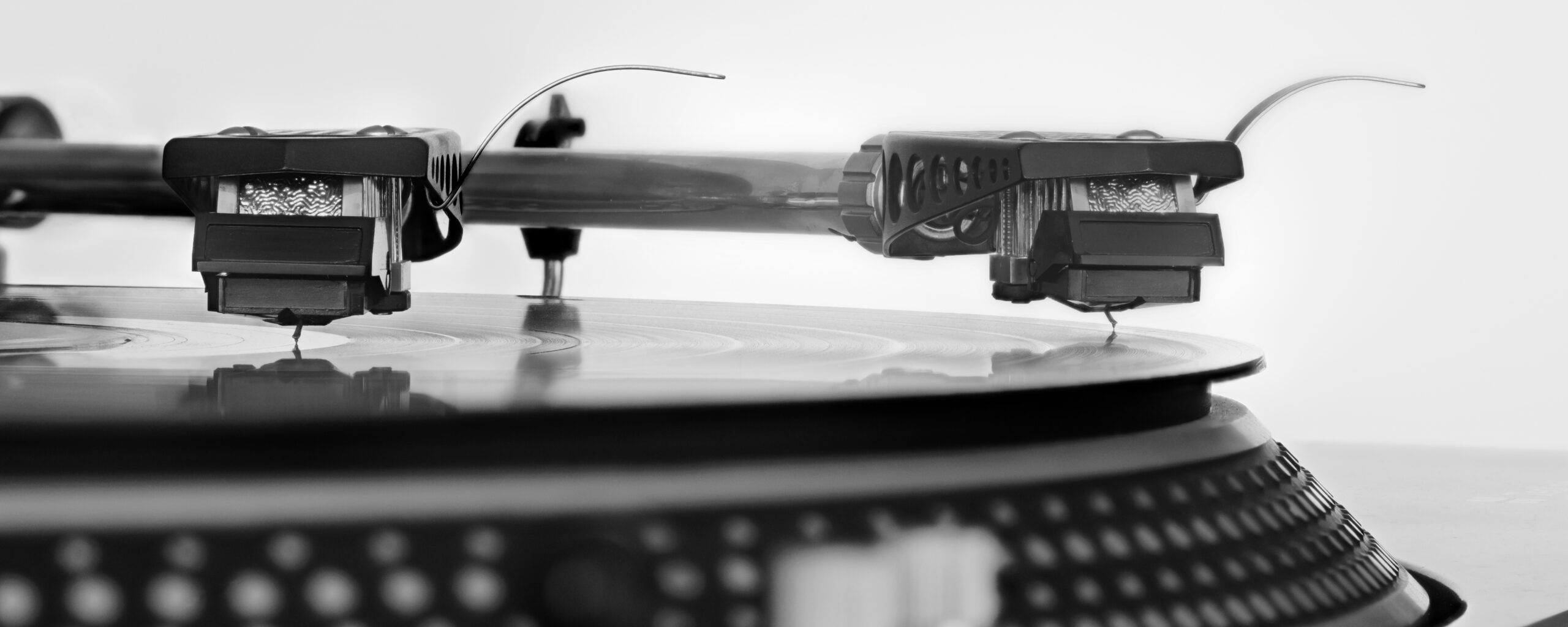
Why first pressings dominate value
For most collectible LPs, the first pressing trades at a substantial premium over later reissues. The premium is driven by sound quality (first pressings used the original master tapes and pressing plates while they were fresh), label design (first pressings often use distinctive label artwork later changed for legal or aesthetic reasons), and provenance.
Matrix and runout codes
The matrix runout (the inner-rim etched markings near the label) is the most reliable first-pressing indicator. First pressings carry specific stamper codes, deadwax etchings (often hand-engraved), and matrix numbers that distinguish them from second and third pressings cut from new metal parts. Reference discographies for major collected albums catalogue these codes precisely.
Label variants
Major labels (Capitol, Columbia, Atlantic, Decca, Parlophone, Verve) used distinctive label designs that changed over time. The Beatles’ Parlophone label evolved from black-and-yellow to silver-on-black to the modern logo across the 1960s. Knowing which label corresponds to which year is foundational vinyl-collector knowledge.
Mono versus stereo
Many albums released between 1958 and 1967 had simultaneous mono and stereo issues. Original mono pressings of certain Beatles, Stones, and Dylan albums trade at substantial premiums over their stereo equivalents because mono was the production-priority master. Always verify mono versus stereo against the catalogue number and matrix.
Frequently Asked Questions
Is this vinyl records guide suitable for beginners?
Yes — this guide is written to be accessible to new collectors while remaining useful for intermediate enthusiasts. We layer foundational concepts with practical examples, expected price ranges, and authentication checkpoints so you can read once and reference repeatedly. If you are completely new, we recommend reading our beginner’s roadmap (/start-here/) alongside this material.
How current is the information in this vinyl records guide?
This guide reflects 2026 market conditions, grading standards, and authentication best practices. We periodically refresh content as auction records, grading-service criteria, and counterfeit techniques evolve. The guide’s last-updated timestamp shown by your browser corresponds to our most recent factual review.
What’s the most common mistake collectors make in vinyl records?
Buying before learning. The hobby rewards patience: collectors who spend the first 60-90 days reading, attending shows, watching auction results, and asking questions in established communities consistently outperform those who buy aggressively from day one. Education compounds; impulse purchases rarely do.
Where can I get items in vinyl records authenticated?
For most categories, established third-party authenticators include PSA, BGS, CGC, and SGC for cards; PCGS and NGC for coins; BBCE for sealed Pokémon and sports wax; AFA for toys; and recognized industry experts or auction-house specialists for watches, autographs, and fine collectibles. Independent verification typically costs $20-$200 and is well worth it for any item over $500. See our /authentication-hub/ for category-specific recommendations.
How do I sell vinyl records for the best price?
Match the venue to the value. Items under $100: eBay or Facebook collector groups. Items $100-$1,000: eBay with strong photography and detailed descriptions, or category-specific platforms (StockX, Discogs, Catawiki). Items over $1,000: established auction houses (Heritage, Goldin, Christie’s, Phillips) or vetted dealer consignment. Avoid pawn shops (typical offers: 20-40% of fair value) and unverified buyers offering instant cash.