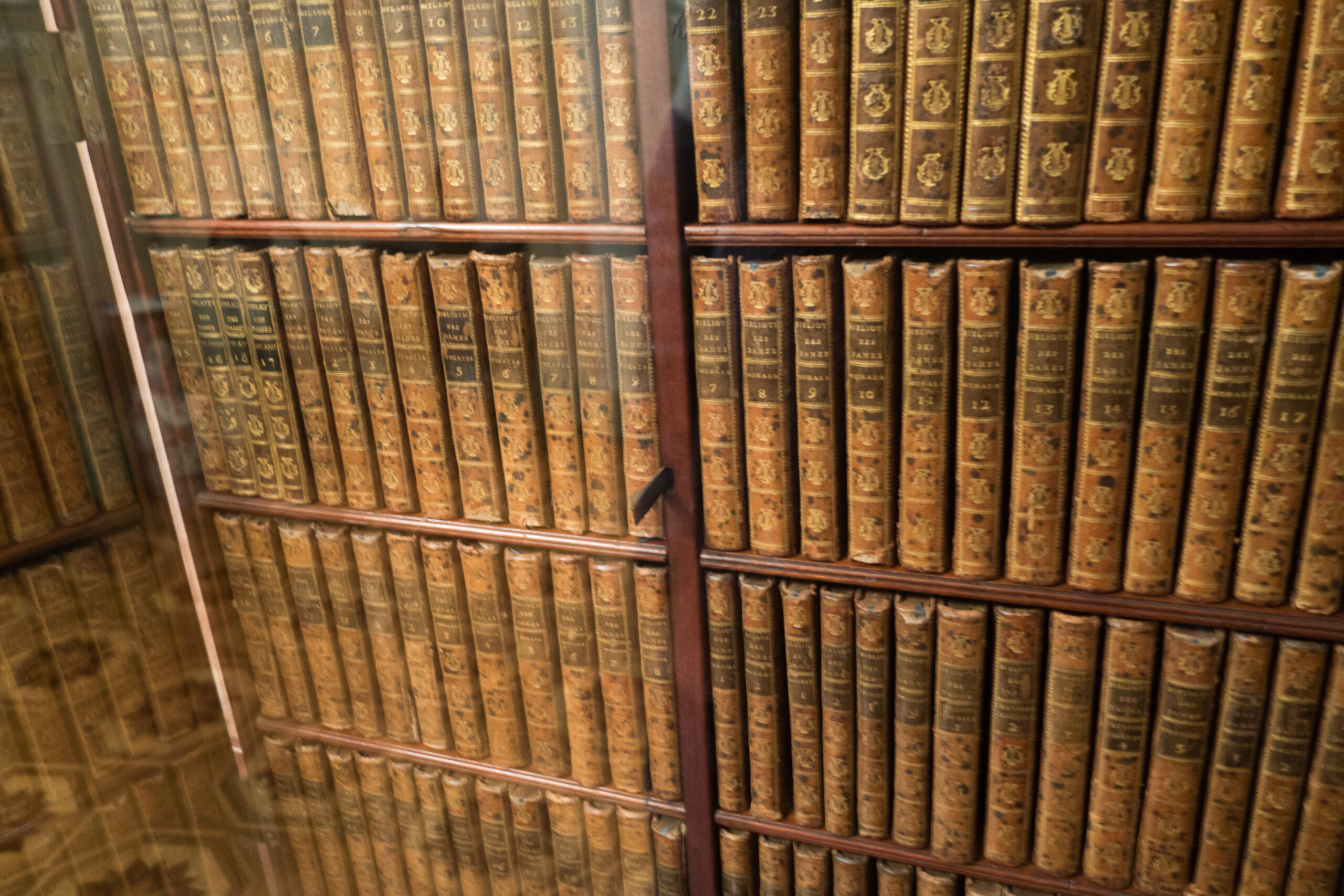
Comic books are paper, and paper is fragile. Proper storage can preserve a comic in collectible condition for half a century or more — but the wrong materials and conditions will degrade your collection within years.
Bags: Mylar Is the Gold Standard
For long-term archival storage, use Mylar D (also marketed as Mylar Snug or Archival Mylar) — a polyester film that does not off-gas, does not yellow, and is chemically inert. Mylar D bags last for decades without replacement. Standard polyethylene or polypropylene bags are acceptable for short-term storage but should be replaced every 5–7 years as they yellow and become brittle. Avoid PVC bags entirely — PVC off-gasses hydrochloric acid as it ages and will destroy paper.
Boards: Acid-Free, Buffered, Full Backer
Use full-size acid-free, lignin-free, buffered backer boards. The “buffered” designation means the board contains a calcium carbonate buffer that neutralizes ambient acids. Replace any boards showing yellowing or warping. Half-size or “comic-size” boards (rather than full-back) leave the bottom of the comic unsupported and are not recommended for long-term storage of valuable books.
Boxes: Short Boxes vs Long Boxes
Short boxes (approximately 15.5″ deep, holding ~150 comics) are the standard storage format. Long boxes hold ~250 comics but are heavier and harder to move. Use acid-free archival boxes for valuable collections. Stand comics upright with breathing room — overpacking compresses spines and creates pressure damage. Underpacking allows comics to lean and curve.
Environmental Conditions
- Temperature: 65–70 °F (18–21 °C), stable, no rapid swings
- Relative humidity: 45–50% RH (use silica gel desiccants in boxes)
- Light: Zero UV exposure — store in opaque boxes in a dark space
- Air quality: Avoid basements with mold risk and attics with temperature swings
For Graded (Slabbed) Comics
CGC, CBCS, and PGX slabs are sealed inert acrylic and provide their own protection. Store slabs upright in dedicated slab boxes, not stacked horizontally — long-term horizontal stacking can warp the inner well. Maintain the same environmental conditions as raw books.
What to Avoid
- Direct sunlight or fluorescent light exposure
- Attics, basements, and garages with humidity or temperature instability
- Basement floors (flood risk) — elevate boxes on shelving
- Plastic bins with non-archival liners
- PVC bags, vinyl-coated wire shelving, or scented storage materials
Inspection Routine
Inspect storage boxes every 12 months. Check for:
- Yellowing of bags or boards
- Foxing (rust-colored spots) on paper
- Mold spots or musty odor
- Insect damage (silverfish are common)
- Slabs with cracks or compromised seals
Pest Control
Silverfish, paper mites, and rodents are paper’s natural enemies. Maintain a clean, dry storage environment, use silica gel for moisture, and consider archival-safe insect deterrents (cedar blocks are NOT recommended — cedar oils transfer to paper). Sticky traps placed near storage areas catch problems before they spread.
Insurance & Inventory
Maintain a written or digital inventory with photographs, grading details, and current market valuations. Specialized collectibles insurance (separate from homeowner’s insurance) is widely available and recommended for collections exceeding a few thousand dollars in value.
See Also
For museum-quality archival storage, consult dedicated paper conservation resources and consider engaging a paper conservator for items of exceptional value.
Frequently Asked Questions
What is the best way to store comic books?
Use acid-free Mylar bags or polyethylene bags with full backing boards, store vertically in long boxes (not horizontally—causes spine roll), maintain temperature 65-70°F (18-21°C) and humidity 45-55%, keep away from direct sunlight and fluorescent lights, and use silica gel packs in storage areas. Climate-controlled storage extends comic life by decades.
Should I bag and board every comic?
For any comic worth keeping or with potential future value, yes. Bagging costs roughly $0.10-$0.30 per comic (boards $0.20-$0.50). Mylar (Mylite 2 or Mylar D) provides 50+ year archival protection vs. polyethylene’s 10-15 years. The investment pays back significantly when selling.
Are basements and attics safe for comic storage?
Generally no. Basements often have humidity and flood risk; attics experience extreme temperature swings (90°F+ summer, freezing winter). Both shorten comic lifespan dramatically. Best storage: climate-controlled interior closet, away from exterior walls, off the floor on shelving.
How do you flatten a curled comic book?
Place the comic between two clean acid-free boards, then under a stack of heavy books for 2-4 weeks in low humidity (40-50%). For severe curling, professional pressing services ($5-$25 per book) safely flatten without damage. Never iron or use heat—causes permanent damage.
Can I store CGC slabs in a regular long box?
No—CGC and PGX slabs are too thick. Use specialty graded comic boxes designed to hold slabs vertically (BCW, CGC Storage Box). Magnetic holders and acrylic display cases work for showcase pieces. Stacked horizontally, slabs can crack at edges and damage labels.