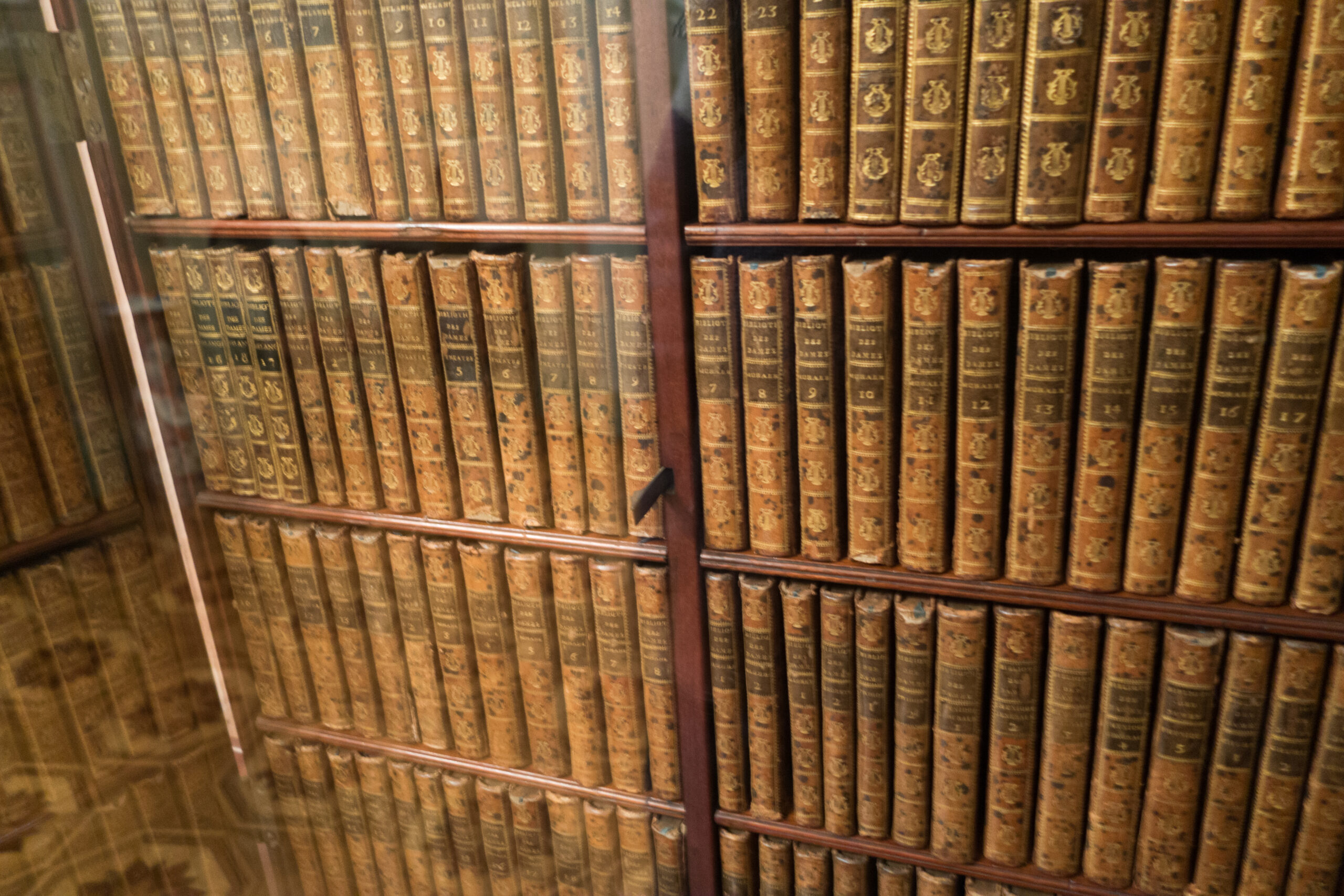
Pre-war comic books — issues published before 1942 — are among the most valuable paper collectibles in the world. They are also among the most frequently faked. The forgeries fall into three categories: outright reprints sold as originals, married copies built from multiple incomplete books, and restored books whose work has been concealed. Each category has a known set of physical and bibliographic tells.
Paper and pulp
Pre-war comics were printed on inexpensive newsprint with high lignin content. Genuine pre-war paper has yellowed unevenly across the page, with the gutter (the inner spine area) typically lighter than the outer edges because oxygen exposure is uneven. Modern reprint paper is too uniform, too white at the gutter, or too even in colour across the page. Holding a candidate page to a daylight window often reveals modern fibre length and brightener residue invisible under tungsten light.
Printing technology
Authentic pre-war four-colour comics were printed on flat-bed and rotary letterpress machines using halftone dot patterns coarse enough to be visible without magnification. The dots are circular, irregularly inked, and slightly misregistered — the famous “newsprint moiré”. Reprints produced after 1980 use offset lithography, with much finer dot rosettes and microscopically perfect colour registration. A jeweller’s loupe at 10x is the single most useful authentication tool any pre-war buyer can own.
Married copies. A rebound book whose interior pages come from one battered copy and whose covers come from another is the most common fraud presented as a complete, original book. The tell is almost always the spine: glue residue inconsistent with the original staple binding, micro-tears at the wrong fibre angle, and centrefold mismatches in trim and tone.
Restoration tells
Modern restoration techniques are skilled and difficult to detect at a glance. The tells include: pages whitened by chemical bleach (microscopic green tinge under UV), tear seals using rice paper (texture mismatch under raking light), colour touch-up applied to cover ink (tiny halo under magnification), and re-glued spines (sound and flex test). Professional graders disclose all detected restoration on the holder; a candidate book without a third-party grade should be inspected by a recognised restoration specialist before purchase.
The bibliographic record
Every major pre-war title is documented to a fine grain in standard reference works and the CGC Census. Number of pages, ad inserts, indicia text, and original cover-price colour are recorded. A book that varies from the canonical bibliographic record without a known printing-variant explanation is almost certainly suspect. The Census also tracks recent auction appearances; a book that suddenly appears with no prior sale history and no provenance documentation deserves additional scrutiny.
The five questions to ask the seller
- What is the unbroken ownership history of this book?
- Has this book been graded by CGC, CBCS, or PGX, and at what grade?
- Has any restoration been performed? If yes, by whom and when?
- Are there high-resolution photographs of every page available?
- Will the seller accept independent third-party authentication as a sale condition?
Can a pre-war comic be authenticated remotely from photographs?
Restoration and married-copy detection generally require in-hand inspection. Photographs can rule out the most obvious forgeries but never positively authenticate a high-value pre-war book.
Is a CGC grade the same as authentication?
CGC encapsulation includes authentication, restoration detection, and grade. A CGC holder with a current case and serial that matches the CGC database is the closest thing to a positive authentication available outside a museum laboratory.
How much restoration is acceptable on a Golden Age book?
It depends entirely on the buyer’s goals. Restoration significantly reduces market value compared with an unrestored copy of the same grade, but for collectors filling a set, a disclosed and competently restored copy is often the only realistic acquisition.
Frequently Asked Questions
Is this comic books guide suitable for beginners?
Yes — this guide is written to be accessible to new collectors while remaining useful for intermediate enthusiasts. We layer foundational concepts with practical examples, expected price ranges, and authentication checkpoints so you can read once and reference repeatedly. If you are completely new, we recommend reading our beginner’s roadmap (/start-here/) alongside this material.
How current is the information in this comic books guide?
This guide reflects 2026 market conditions, grading standards, and authentication best practices. We periodically refresh content as auction records, grading-service criteria, and counterfeit techniques evolve. The guide’s last-updated timestamp shown by your browser corresponds to our most recent factual review.
What’s the most common mistake collectors make in comic books?
Buying before learning. The hobby rewards patience: collectors who spend the first 60-90 days reading, attending shows, watching auction results, and asking questions in established communities consistently outperform those who buy aggressively from day one. Education compounds; impulse purchases rarely do.
Where can I get items in comic books authenticated?
For most categories, established third-party authenticators include PSA, BGS, CGC, and SGC for cards; PCGS and NGC for coins; BBCE for sealed Pokémon and sports wax; AFA for toys; and recognized industry experts or auction-house specialists for watches, autographs, and fine collectibles. Independent verification typically costs $20-$200 and is well worth it for any item over $500. See our /authentication-hub/ for category-specific recommendations.
How do I sell comic books for the best price?
Match the venue to the value. Items under $100: eBay or Facebook collector groups. Items $100-$1,000: eBay with strong photography and detailed descriptions, or category-specific platforms (StockX, Discogs, Catawiki). Items over $1,000: established auction houses (Heritage, Goldin, Christie’s, Phillips) or vetted dealer consignment. Avoid pawn shops (typical offers: 20-40% of fair value) and unverified buyers offering instant cash.