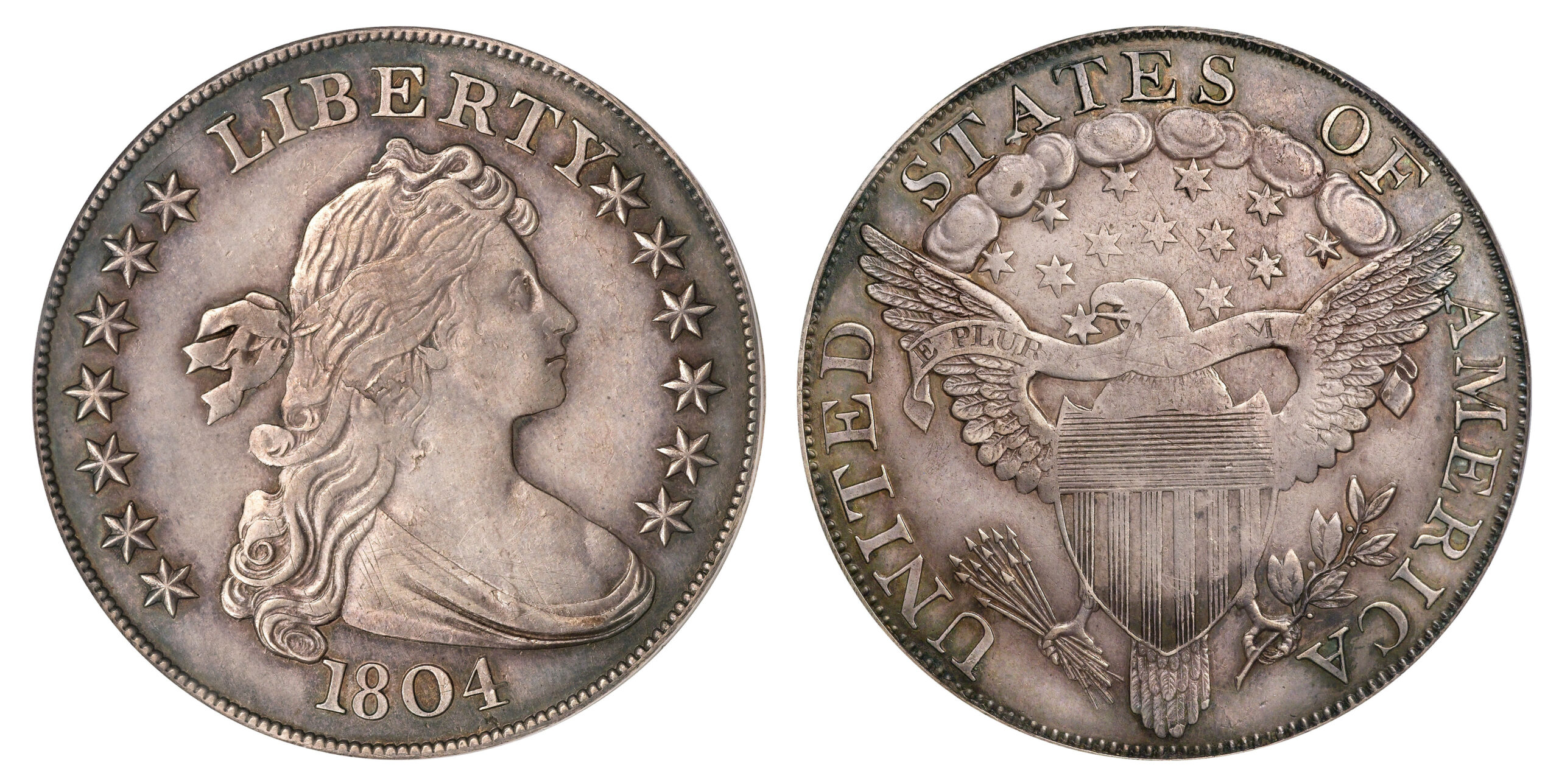
Morgan silver dollars, struck by the United States Mint between 1878 and 1921, are among the most collected American coins. Their popularity, the silver content, and the existence of high-premium dates have all made them prime targets for counterfeiters. Modern fakes range from crude lead casts that fool no one to deceptive coins struck from copied dies that can deceive even experienced collectors. This guide walks through the inspection sequence used by professional graders to authenticate Morgan dollars.
Start With Weight and Diameter
An authentic Morgan silver dollar weighs 26.73 grams (with a tolerance of about 0.10 grams) and measures 38.1 millimetres in diameter. A precision scale and digital caliper will catch the majority of counterfeits in seconds. Cast fakes typically weigh under 26 grams; struck fakes from base metal or tungsten cores often miss diameter by a fraction of a millimetre. Any coin that fails either measurement is virtually always a fake.
The Edge
Morgan dollars have a reeded edge with a consistent count of reeds (185 for most dates and mints). Cast counterfeits show smoothed or wavy reeding because the casting process cannot replicate the sharp definition of struck reeds. Look at the edge under magnification: a genuine Morgan shows clean parallel grooves; a cast fake shows soft, uneven, or partially missing reeding.
The Strike Detail
Authentic Morgan dollars show fine detail across the central design — Liberty’s hair feathers, the eagle’s breast feathers, the wreath. Cast fakes show flat or mushy detail because casts cannot reproduce the sharpness of struck dies. Use a 10x loupe to examine the high-relief areas; if detail is soft compared to authentic reference photos, the coin is suspect.
The Surface and Sound
Genuine silver Morgans have a characteristic ring when struck against a hard surface (the “ping test” — though it should be done carefully and never on valuable coins). The sound is high-pitched and sustains for a full second or more. Lead and copper-cored fakes produce a dull thud. The surface of a genuine coin shows microscopic die-polish lines and flow lines under magnification; cast fakes show uniform grain or surface bubbles.
Diagnostic Markers by Date
Each Morgan date and mint has known diagnostic markers — small die-related features that authentic coins display consistently. The 1893-S, the 1889-CC, and the 1895 proof all have specific features that authentic examples must show. Counterfeiters often fail to replicate these markers because they require detailed reference photography. Specialist guides published by VAM researchers catalogue the diagnostics for every major date. See our VAM glossary entry for the variety attribution system that underlies diagnostic identification.
Magnetism
Silver is non-magnetic. Any Morgan dollar that is attracted to a magnet is a fake, almost always with a steel core. This is the single fastest screening test and rules out a substantial proportion of counterfeits in seconds.
Toning Patterns
Authentic Morgan dollars develop characteristic toning over decades — soft pastel rainbows on coins stored in original mint bags, even brown patina on circulated coins, and crusty grey on coins exposed to humidity. Counterfeits often show artificial toning that looks too uniform or too vivid. A coin with toning that does not match the period or storage conditions claimed by the seller deserves additional scrutiny.
When to Send for Authentication
Any Morgan dollar with a meaningful premium — key dates like 1889-CC, 1893-S, and 1895, or any high-grade common date — should be authenticated by a professional grader before purchase or sale. PCGS and NGC both offer authentication services that include a slab and certification number. The cost of authentication is small compared to the cost of buying a deceptive fake, and the slab itself adds buyer confidence on resale.
For more on the series, see our most valuable Morgan dollars list and the 1893-S Morgan dollar item entry. The key date glossary entry explains why certain Morgan dates command the premiums that make them counterfeit targets.
Frequently Asked Questions
Is this collectibles guide suitable for beginners?
Yes — this guide is written to be accessible to new collectors while remaining useful for intermediate enthusiasts. We layer foundational concepts with practical examples, expected price ranges, and authentication checkpoints so you can read once and reference repeatedly. If you are completely new, we recommend reading our beginner’s roadmap (/start-here/) alongside this material.
How current is the information in this collectibles guide?
This guide reflects 2026 market conditions, grading standards, and authentication best practices. We periodically refresh content as auction records, grading-service criteria, and counterfeit techniques evolve. The guide’s last-updated timestamp shown by your browser corresponds to our most recent factual review.
What’s the most common mistake collectors make in collectibles?
Buying before learning. The hobby rewards patience: collectors who spend the first 60-90 days reading, attending shows, watching auction results, and asking questions in established communities consistently outperform those who buy aggressively from day one. Education compounds; impulse purchases rarely do.
Where can I get items in collectibles authenticated?
For most categories, established third-party authenticators include PSA, BGS, CGC, and SGC for cards; PCGS and NGC for coins; BBCE for sealed Pokémon and sports wax; AFA for toys; and recognized industry experts or auction-house specialists for watches, autographs, and fine collectibles. Independent verification typically costs $20-$200 and is well worth it for any item over $500. See our /authentication-hub/ for category-specific recommendations.
How do I sell collectibles for the best price?
Match the venue to the value. Items under $100: eBay or Facebook collector groups. Items $100-$1,000: eBay with strong photography and detailed descriptions, or category-specific platforms (StockX, Discogs, Catawiki). Items over $1,000: established auction houses (Heritage, Goldin, Christie’s, Phillips) or vetted dealer consignment. Avoid pawn shops (typical offers: 20-40% of fair value) and unverified buyers offering instant cash.