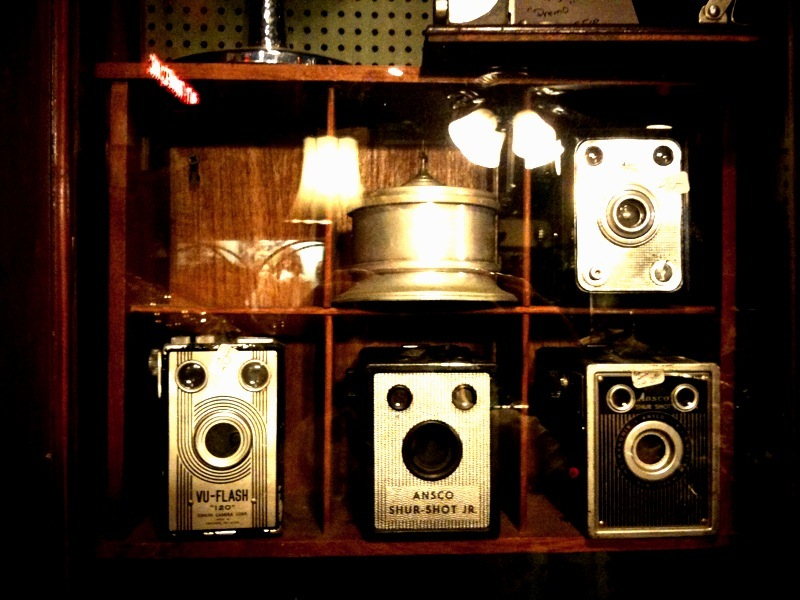
Most collectibles that arrive damaged were not damaged in transit — they were damaged during packing. Carriers are rough, parcels get thrown, and pressure-sensitive items deform under stacked weight. Ship as if every parcel will be dropped from a metre and crushed under twenty kilos, and your packages will arrive perfectly. Here is how to do it for each major category.
Universal principles
Use a fresh, double-walled corrugated box. Centre the contents in roughly five centimetres of cushioning on every face. Never let the contents touch any wall of the outer box. Tape every seam with proper packing tape, not duct or masking tape. Mark the parcel “Fragile” if accurate, but do not rely on the marking to change handling — it rarely does.
Trading cards and sports cards
Penny sleeve the card, then place it in a card saver or top loader, then sandwich it between two pieces of stiff cardboard sized to the card. Tape the cardboard sandwich, place it inside a bubble mailer, and finally place the bubble mailer inside a small box for any card worth over about $50. For high-value cards, use a hard plastic case (one-touch magnetic holder) inside the cardboard sandwich.
Comic books
Bag and board the comic, then sandwich it between two pieces of stiff cardboard at least as large as the comic plus three centimetres on every side. Tape the sandwich, wrap the sandwich in bubble wrap, and place inside a comic-mailer-grade flat box — not a thin envelope. For graded comics in slabs, the slab needs full bubble wrap and a snug fit inside its box; an unrestrained slab will crack a corner during transit.
Coins and currency
Coins ship best in 2×2 or Air-Tite holders, then inside a small rigid box with foam padding. Never ship raw silver coins loose in a paper envelope — they tone unpredictably and the post will mark them with cancellation ink. Currency ships flat in a rigid mailer between two pieces of card stock; never fold a banknote you intend to keep collectible.
Watches
Watches ship in their original box wrapped in bubble wrap, inside a second box with another five centimetres of cushioning. Always remove any movement-stopping mechanism if instructed by the seller, never ship with a winding rotor that can hammer the movement. Insurance is essential.
Sneakers
Sneakers ship in their original shoebox, with paper stuffed inside each shoe to keep its shape. Never use the shoebox as the outer parcel — it will arrive crushed. Place the shoebox inside an outer corrugated box at least five centimetres larger on every side, with cushioning on every face.
Documentation matters
Photograph the contents and the packed parcel before sealing. Keep all receipts. Always insure for replacement value, not purchase price. And use a tracked, signature-required service for anything above a comfortable loss threshold.
Frequently Asked Questions
Is this collectibles guide suitable for beginners?
Yes — this guide is written to be accessible to new collectors while remaining useful for intermediate enthusiasts. We layer foundational concepts with practical examples, expected price ranges, and authentication checkpoints so you can read once and reference repeatedly. If you are completely new, we recommend reading our beginner’s roadmap (/start-here/) alongside this material.
How current is the information in this collectibles guide?
This guide reflects 2026 market conditions, grading standards, and authentication best practices. We periodically refresh content as auction records, grading-service criteria, and counterfeit techniques evolve. The guide’s last-updated timestamp shown by your browser corresponds to our most recent factual review.
What’s the most common mistake collectors make in collectibles?
Buying before learning. The hobby rewards patience: collectors who spend the first 60-90 days reading, attending shows, watching auction results, and asking questions in established communities consistently outperform those who buy aggressively from day one. Education compounds; impulse purchases rarely do.
Where can I get items in collectibles authenticated?
For most categories, established third-party authenticators include PSA, BGS, CGC, and SGC for cards; PCGS and NGC for coins; BBCE for sealed Pokémon and sports wax; AFA for toys; and recognized industry experts or auction-house specialists for watches, autographs, and fine collectibles. Independent verification typically costs $20-$200 and is well worth it for any item over $500. See our /authentication-hub/ for category-specific recommendations.
How do I sell collectibles for the best price?
Match the venue to the value. Items under $100: eBay or Facebook collector groups. Items $100-$1,000: eBay with strong photography and detailed descriptions, or category-specific platforms (StockX, Discogs, Catawiki). Items over $1,000: established auction houses (Heritage, Goldin, Christie’s, Phillips) or vetted dealer consignment. Avoid pawn shops (typical offers: 20-40% of fair value) and unverified buyers offering instant cash.