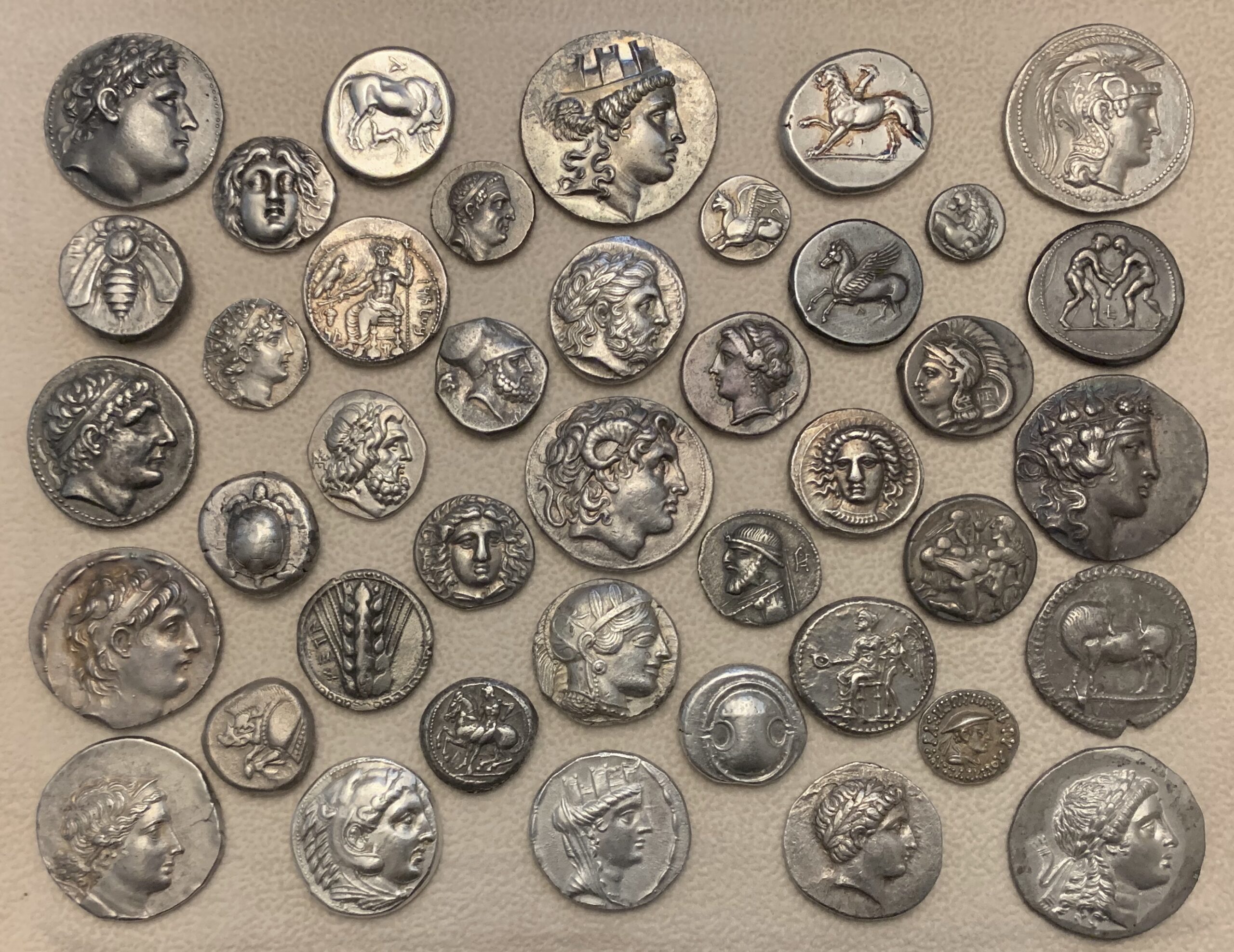
Why cleaning destroys value
A cleaned coin can lose 30 to 70 percent of its value compared to the same coin with original surfaces. Coin grading services flag cleaning explicitly, and once a coin is in a “cleaned” holder it never trades at full market.
The visual signatures of cleaning
Hairlines visible under angled light, a flat unnatural sheen instead of the gentle cartwheel luster of an original surface, an overly bright look that does not match the coin’s age, and a halo of brighter metal around devices are all standard cleaning tells. A 10x loupe at a 30-degree angle to a strong directional light source reveals nearly all cleaning.
Whizzing and tooling
Whizzing uses a wire brush at high speed to mimic luster; under magnification, parallel lines appear in the fields. Tooling — carving up details with a sharp tool — leaves raised metal at the edges of design elements. Both are considered damage, not cleaning, and reduce value even further.
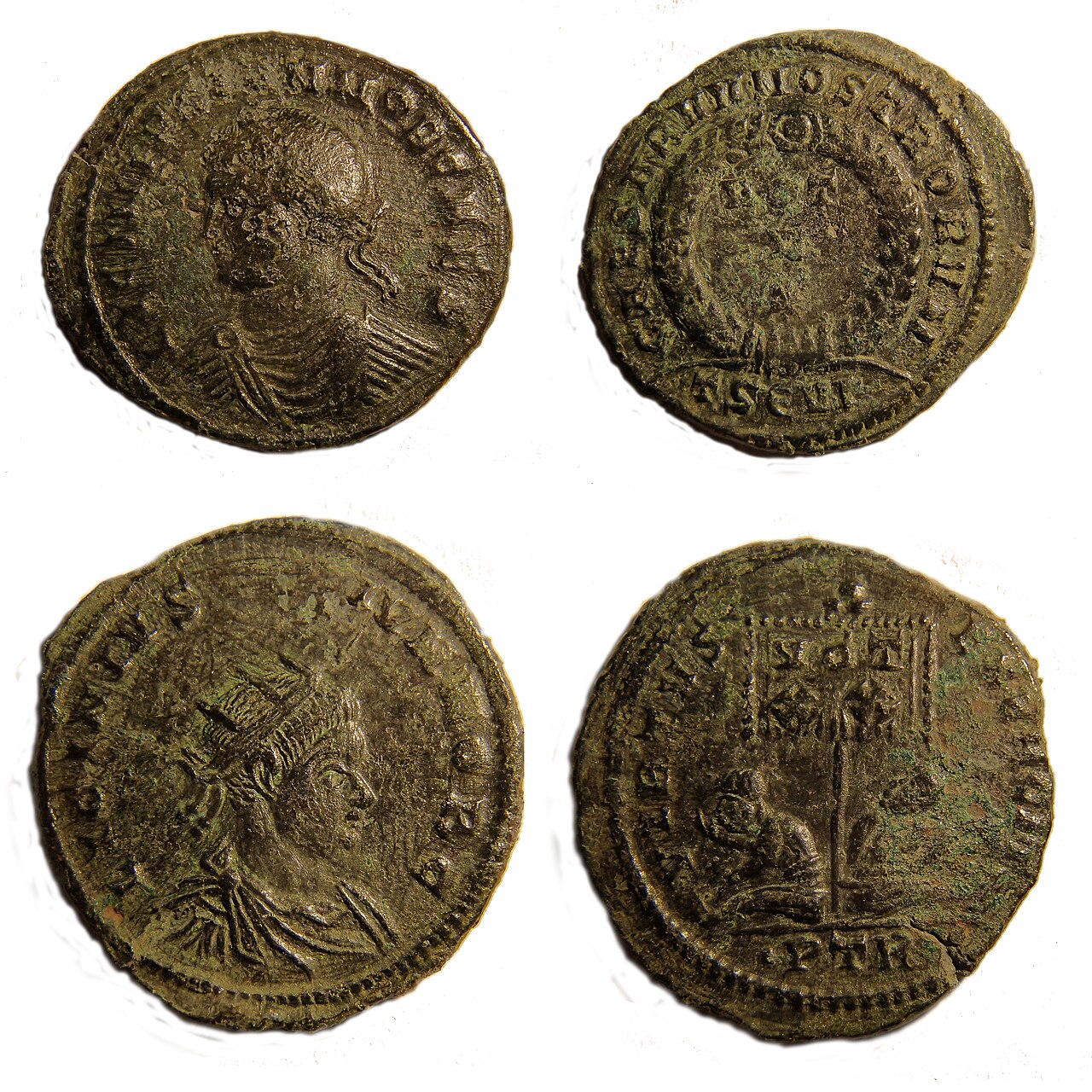
What is acceptable
Distilled-water rinses to remove loose dirt, and conservation by NGC’s NCS or PCGS Restoration on coins with active corrosion, are accepted in the market. Anything beyond that — dips, polishes, abrasive paste — should be left to professionals or avoided entirely.
Frequently Asked Questions
Is this coins guide suitable for beginners?
Yes — this guide is written to be accessible to new collectors while remaining useful for intermediate enthusiasts. We layer foundational concepts with practical examples, expected price ranges, and authentication checkpoints so you can read once and reference repeatedly. If you are completely new, we recommend reading our beginner’s roadmap (/start-here/) alongside this material.
How current is the information in this coins guide?
This guide reflects 2026 market conditions, grading standards, and authentication best practices. We periodically refresh content as auction records, grading-service criteria, and counterfeit techniques evolve. The guide’s last-updated timestamp shown by your browser corresponds to our most recent factual review.
What’s the most common mistake collectors make in coins?
Buying before learning. The hobby rewards patience: collectors who spend the first 60-90 days reading, attending shows, watching auction results, and asking questions in established communities consistently outperform those who buy aggressively from day one. Education compounds; impulse purchases rarely do.
Where can I get items in coins authenticated?
For most categories, established third-party authenticators include PSA, BGS, CGC, and SGC for cards; PCGS and NGC for coins; BBCE for sealed Pokémon and sports wax; AFA for toys; and recognized industry experts or auction-house specialists for watches, autographs, and fine collectibles. Independent verification typically costs $20-$200 and is well worth it for any item over $500. See our /authentication-hub/ for category-specific recommendations.
How do I sell coins for the best price?
Match the venue to the value. Items under $100: eBay or Facebook collector groups. Items $100-$1,000: eBay with strong photography and detailed descriptions, or category-specific platforms (StockX, Discogs, Catawiki). Items over $1,000: established auction houses (Heritage, Goldin, Christie’s, Phillips) or vetted dealer consignment. Avoid pawn shops (typical offers: 20-40% of fair value) and unverified buyers offering instant cash.