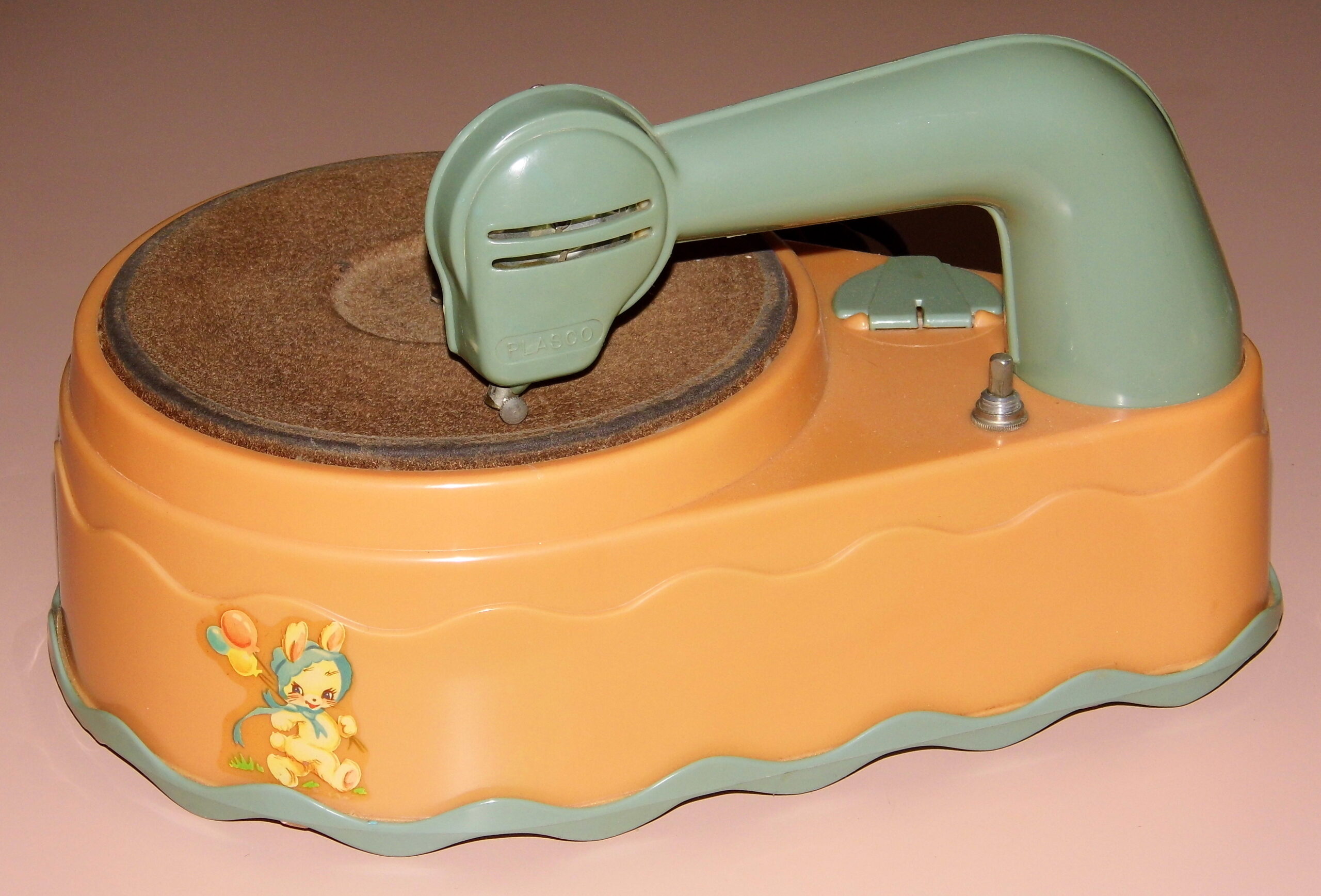
Vintage toys occupy a unique corner of the collectables market. They span an enormous range of categories — die-cast cars, action figures, dolls, building blocks, mechanical toys, electronic games — and their value is driven as much by emotional resonance as by rarity. The toys we played with as children, or wished we could play with, are the toys we now hunt for as adults. This guide is for collectors at the beginning of that journey, focused on practical steps for starting well.
Pick a Category That Matters to You
The most successful toy collections are focused. A collector who tries to acquire everything in every category quickly runs out of space, money, and motivation. Pick a single category that connects to your own history: the Hot Wheels you collected as a child, the original 1977 Star Wars figures from a sibling’s bedroom, the Lego Space Set 483 you saw in a catalogue, the Barbie dolls your mother kept in a box. Emotional connection sustains a collection through decades.
Learn the Reference Material
Every toy category has its standard reference works: collector guides, online checklists, and dedicated forums where serious collectors share knowledge. Spend a month reading before spending a pound on actual toys. Learn the production years, the variations within each year, the regional differences (a Mattel Hot Wheels redline released in the United States is different from the same casting in the United Kingdom), and the chase pieces that drive market interest.
Condition Drives Value
For vintage toys, condition is everything. A loose figure in played condition is worth a small fraction of the same figure in original packaging. Mint-on-card examples — particularly with unblemished cards and bubbles — sit at the top of the market. The standard grading vocabulary moves from Loose, to Loose Complete, to Mint Loose Complete, to Mint on Card, to Mint on Mint Card. Each step represents a meaningful increase in price.
Know the Counterfeits
Every popular vintage toy line has been counterfeited. The early Star Wars Kenner figures, the original Transformers, the first Hot Wheels Redlines, the early Lego minifigures — all have known reproduction issues, ranging from amateur reproductions to factory-quality fakes that fool experienced collectors. Use specialist authentication guides published by the collector communities for each line, and prefer purchases from established dealers with provenance documentation.
Storage
Toys are vulnerable to humidity, light, plastic degradation, and mechanical damage. Plastic toys can develop yellowing or stress fractures over decades. Painted die-cast cars can lose paint to oxidation. Soft rubber components on action figures harden and crack. Store toys in a cool, dry, dark environment with stable humidity, ideally inside acid-free archival boxes. For mint-on-card items, plastic case protectors prevent the card from being touched and damaged.
Where to Buy
Major sources include specialist toy dealers, collector conventions, online auction sites, and direct purchases from other collectors. The pricing on each varies significantly: dealer prices reflect their authentication and overhead, auction prices reflect competitive bidding, private collector sales reflect personal relationships and trust. New collectors often start with online purchases and gradually move toward in-person sourcing as their confidence and network grow.
Document Your Collection
From day one, photograph every piece you acquire and record the purchase date, price, source, and condition. A spreadsheet is sufficient at the start; specialist collection-management software is available as the collection grows. Documentation matters for insurance, for inheritance, and for your own ability to track value over time.
Display vs Storage
Display toys you love seeing; store the rest archivally. Display means accepting that the displayed pieces will degrade faster than stored pieces — a calculated trade for the daily pleasure of seeing them. UV-filtered glass, climate control, and rotation between display and storage extend the life of displayed pieces.
For wider context on the vintage toy hobby, see our vintage toys hub. The provenance glossary entry covers the documentation principles that apply across collectable categories.
Frequently Asked Questions
What vintage toys are most valuable in 2026?
Pre-1980 Star Wars Kenner figures (especially rocket-firing Boba Fett prototypes, $200K+), original Barbie #1 (1959), tin litho robots from Japan ($5K-$50K), Mego Marvel/DC superheroes mint-on-card, and Hot Wheels Redline-era prototypes. Mint-in-box (MIB) commands 5-20x loose-figure prices.
Should I keep vintage toys in original packaging?
For investment, absolutely yes. Mint-on-card (MOC) and mint-in-box (MIB) values typically run 5-50x loose toys. However, original packaging is fragile—store in acid-free cases, away from heat and UV light, and never remove price stickers (they can be authentication points).
How do I authenticate vintage Star Wars figures?
Examine: copyright dates and country stamps (legs, back), paint application (originals show distinctive factory variations), card stock and Kenner logo style by year, plastic color (modern reproductions use different polymer blends), and AFA grading is the gold standard for high-value pieces.
Are 1980s and 1990s toys collectible yet?
Yes—Transformers G1 (especially Japanese exclusives), TMNT first-wave figures, He-Man MOTU, and unopened 1990s Beanie Babies (specific rare ones only) have established markets. Common 1990s toys remain affordable, but high-grade graded examples have shown strong appreciation since 2020.
Where do I sell vintage toys for the best price?
Hake’s Auctions and Heritage for graded high-end pieces. eBay for $50-$2,000 range with proper photography. Specialty conventions (Toy-Fair, Joe-Lanta, ToyLanta) for in-person sales. Local Facebook groups and toy shows for casual collectors. Avoid pawn shops (typical offers: 20-40% of fair value).