5-min read · Multiverse reference · Updated this month
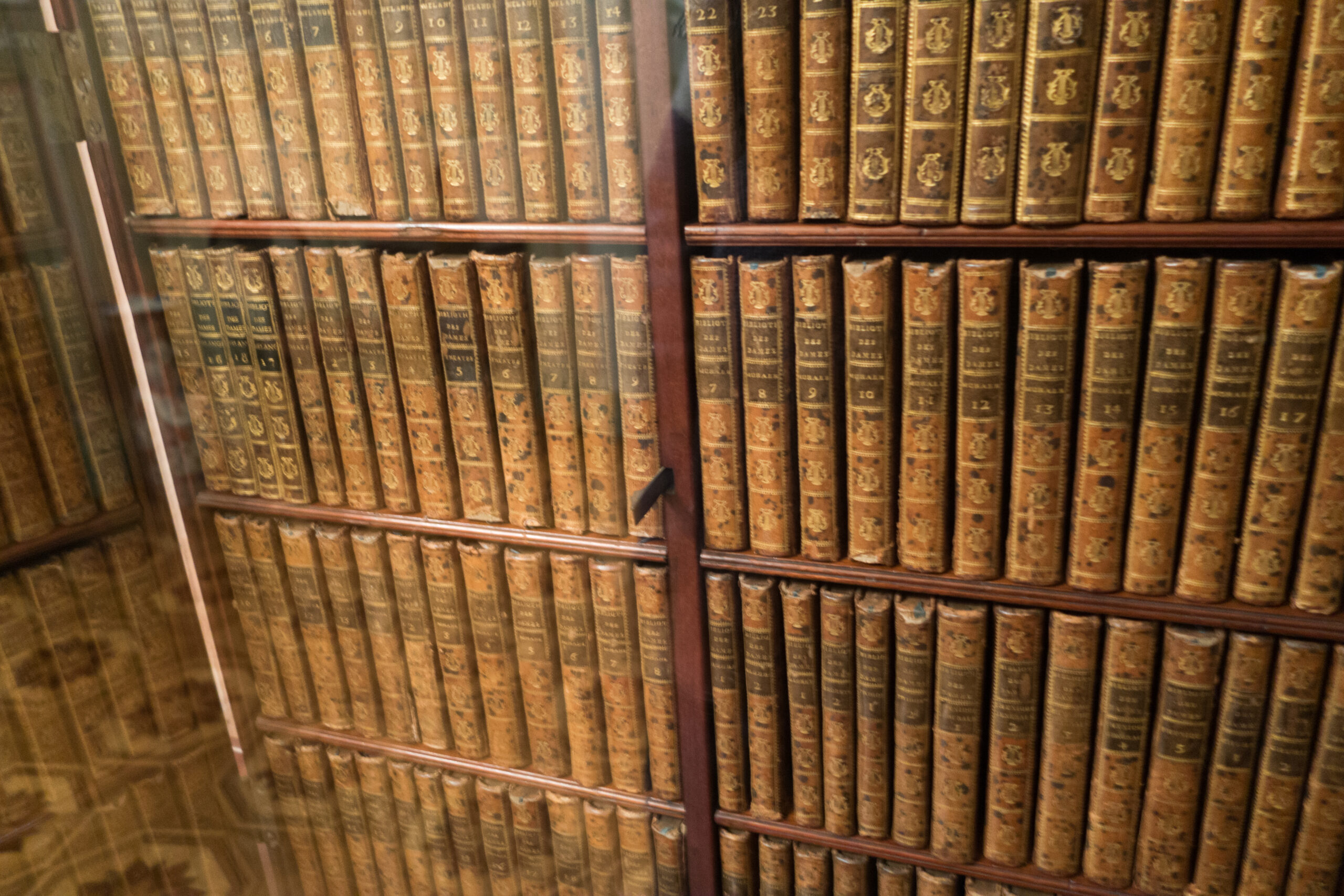
First-edition collecting rewards readers who understand that “first edition” is a loose phrase used by many publishers to mean different things. The serious collector cares about a much more specific concept: a true first printing of the first edition, in its original dust jacket, with all of the issue points present that distinguish it from later printings of the same edition. Learning to read those issue points turns a confusing pile of similar-looking hardcovers into a clear hierarchy of value.
The basic vocabulary
An edition is the typesetting itself. A new edition only happens when the type is meaningfully reset. A printing is one production run within an edition. The first printing of the first edition is what most collectors mean when they say “a first.” A first edition third printing is still the first edition but is generally worth a small fraction of a true first.
An issue is a printing that has been altered mid-run, usually to correct an error. The issue points are the visible features that distinguish an early issue from a later one within the same printing run. These are the prizes book collectors hunt for.
Where publishers tell you
Most modern American publishers use a number line on the copyright page: a sequence like 10 9 8 7 6 5 4 3 2 1. The lowest number present indicates the printing. If the line ends in 1, the book is a first printing. If the lowest number is 4, you are holding a fourth printing. Random House, Knopf, FSG and most major US houses use this convention. British publishers vary more — some use the number line, others state “First published” with the year on the copyright page and rely on the absence of any “reprinted” line to identify firsts.
The dust jacket is half the value
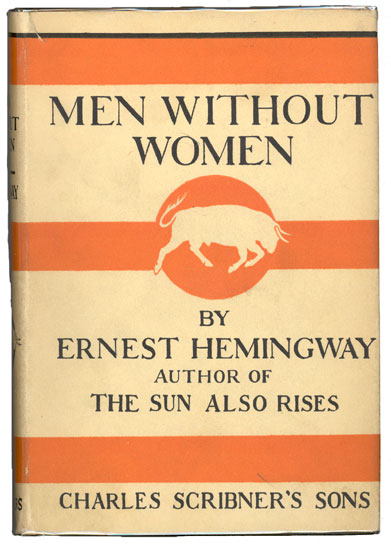
For 20th-century literature, the dust jacket frequently represents 80 to 90 percent of the book’s value. A first-edition first-printing copy without its jacket can be worth a tenth of one with the original jacket present in collectible condition. The jacket itself has its own issue points: original price intact and not clipped, correct spine artwork, correct cover photograph, and correct list of other titles by the same author on the back panel. A clipped jacket — one with the price corner cut off — is significantly less collectable than an unclipped example.
Examples of issue points
Issue points are book-specific and learning them is part of the collecting craft. The famous Hemingway first edition of The Sun Also Rises has multiple state points including the wording on the copyright page about reprinted Saturday Evening Post material and the presence or absence of certain typographical features. The first Harry Potter book’s 1997 UK first edition first printing has specific points around the printing line, the description on the rear cover, and the credits page. Reference resources like dedicated bibliographies and dealer-published collation guides list the points for the major collected authors.
Practical buying tips
Buy from established dealers with stated return policies for the first ninety days. Always ask for photographs of the copyright page, the title page, and the dust jacket front, spine and rear before you commit to a purchase. If a seller cannot or will not show those pages, walk away. The cost of a confirmed first edition is significantly higher than a later printing — the difference between knowing what you are buying and guessing is the entire collecting game.
Related reading
Our books hub gathers the broader cluster on first editions, signed copies and antiquarian bindings. The collectors who do best in this category treat each major author as a small subject of expertise rather than trying to learn everything at once.
Frequently Asked Questions
Is this collectibles guide suitable for beginners?
Yes — this guide is written to be accessible to new collectors while remaining useful for intermediate enthusiasts. We layer foundational concepts with practical examples, expected price ranges, and authentication checkpoints so you can read once and reference repeatedly. If you are completely new, we recommend reading our beginner’s roadmap (/start-here/) alongside this material.
How current is the information in this collectibles guide?
This guide reflects 2026 market conditions, grading standards, and authentication best practices. We periodically refresh content as auction records, grading-service criteria, and counterfeit techniques evolve. The guide’s last-updated timestamp shown by your browser corresponds to our most recent factual review.
What’s the most common mistake collectors make in collectibles?
Buying before learning. The hobby rewards patience: collectors who spend the first 60-90 days reading, attending shows, watching auction results, and asking questions in established communities consistently outperform those who buy aggressively from day one. Education compounds; impulse purchases rarely do.
Where can I get items in collectibles authenticated?
For most categories, established third-party authenticators include PSA, BGS, CGC, and SGC for cards; PCGS and NGC for coins; BBCE for sealed Pokémon and sports wax; AFA for toys; and recognized industry experts or auction-house specialists for watches, autographs, and fine collectibles. Independent verification typically costs $20-$200 and is well worth it for any item over $500. See our /authentication-hub/ for category-specific recommendations.
How do I sell collectibles for the best price?
Match the venue to the value. Items under $100: eBay or Facebook collector groups. Items $100-$1,000: eBay with strong photography and detailed descriptions, or category-specific platforms (StockX, Discogs, Catawiki). Items over $1,000: established auction houses (Heritage, Goldin, Christie’s, Phillips) or vetted dealer consignment. Avoid pawn shops (typical offers: 20-40% of fair value) and unverified buyers offering instant cash.