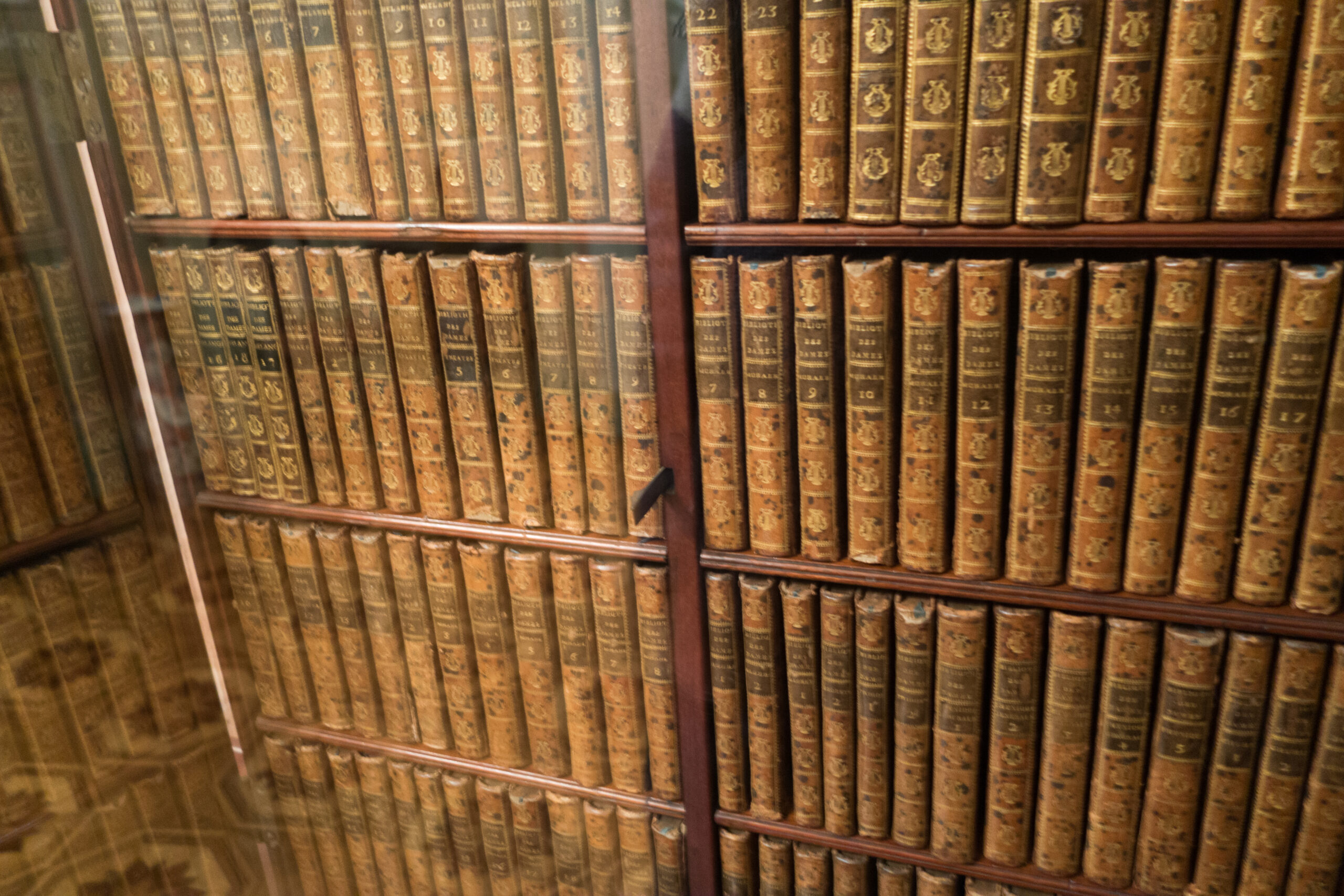
Paper-based collectables degrade over time through three principal mechanisms: chemical breakdown of the paper itself, mechanical damage from handling and storage, and biological damage from mould, insects, and rodents. The good news for comic collectors is that all three can be slowed dramatically with the right storage system. This guide covers archival storage from the budget-conscious starter setup through to the museum-grade approach used by serious collections.
The Paper Problem
Most comic books published before 1990 use acidic newsprint paper that yellows and becomes brittle as lignin in the paper oxidises into acid. Once started, the process is self-accelerating: acidic paper releases more acid as it ages, which further accelerates degradation. Storage conditions cannot reverse the process, but they can slow it dramatically. The goal of archival storage is to keep the paper as cool, dry, dark, and chemically stable as possible.
Bags and Boards
The basic protection layer is a plastic bag and acid-free backing board. Polyethylene and polypropylene bags are safe choices; PVC bags are not — PVC off-gases acidic compounds that accelerate paper degradation. Boards should be acid-free and lignin-free, ideally with a calcium carbonate buffer that neutralises any acid that does form. Mylar sleeves are the gold standard for valuable books and last decades longer than ordinary polypropylene.
Bag Sizes
Comic books come in three standard sizes that determine bag selection: silver age (about 7-1/8 by 10-1/2 inches, used roughly 1956–1974), bronze age (about 7 by 10-1/2 inches, used 1970s–early 1980s), and modern age (6-7/8 by 10-3/8 inches, used since the mid-1980s). Mismatched bag sizes either crush the book or leave it loose enough to shift and damage corners. Match each book to the correct bag size.
Boxes
Standard short comic boxes hold about 150–175 bagged-and-boarded books; long boxes hold about 250–300. Use only acid-free boxes marked as such; ordinary cardboard releases acidic vapours that contaminate everything inside. Do not pack boxes tightly — books should sit upright with enough space to remove individual issues without flexing. Add a few empty bags as spacers if a box is partly full.
Climate Conditions
Aim for a stable environment between 18°C and 22°C with relative humidity between 30 and 50 per cent. Even more important than the absolute numbers is stability: repeated swings between high and low humidity warp paper far more than constant moderate conditions. Avoid lofts, basements, garages, and any external-wall room that swings hot and cold with the seasons.
Light
Direct sunlight will fade comic covers within months. Even ambient daylight degrades inks over years. Store boxes with lids closed and away from windows. If you display valuable books in frames, use ultraviolet-filtered glazing and rotate the displayed book regularly so no single copy receives extended light exposure.
Pest Prevention
Silverfish, booklice, and certain mould species feed on the starches in paper. The simplest prevention is keeping storage areas dry, clean, and pest-free; a humidity below 50 per cent prevents most mould, and routine inspection catches insect activity before it spreads. Avoid storing comics anywhere that has had previous pest issues without first treating the area.
The Archival Layer
For collections you intend to pass down, store inside a fireproof, water-resistant safe within a climate-controlled room. Photograph and catalogue every book with its grade, page count, and condition notes. Insurance companies require an itemised inventory; future generations will appreciate one. Slab high-value books through professional grading for the highest level of preservation.
For grading details before submission, see our comic grading guide. The Mylar glossary entry covers the archival enclosure standard.
Frequently Asked Questions
Is this comic books guide suitable for beginners?
Yes — this guide is written to be accessible to new collectors while remaining useful for intermediate enthusiasts. We layer foundational concepts with practical examples, expected price ranges, and authentication checkpoints so you can read once and reference repeatedly. If you are completely new, we recommend reading our beginner’s roadmap (/start-here/) alongside this material.
How current is the information in this comic books guide?
This guide reflects 2026 market conditions, grading standards, and authentication best practices. We periodically refresh content as auction records, grading-service criteria, and counterfeit techniques evolve. The guide’s last-updated timestamp shown by your browser corresponds to our most recent factual review.
What’s the most common mistake collectors make in comic books?
Buying before learning. The hobby rewards patience: collectors who spend the first 60-90 days reading, attending shows, watching auction results, and asking questions in established communities consistently outperform those who buy aggressively from day one. Education compounds; impulse purchases rarely do.
Where can I get items in comic books authenticated?
For most categories, established third-party authenticators include PSA, BGS, CGC, and SGC for cards; PCGS and NGC for coins; BBCE for sealed Pokémon and sports wax; AFA for toys; and recognized industry experts or auction-house specialists for watches, autographs, and fine collectibles. Independent verification typically costs $20-$200 and is well worth it for any item over $500. See our /authentication-hub/ for category-specific recommendations.
How do I sell comic books for the best price?
Match the venue to the value. Items under $100: eBay or Facebook collector groups. Items $100-$1,000: eBay with strong photography and detailed descriptions, or category-specific platforms (StockX, Discogs, Catawiki). Items over $1,000: established auction houses (Heritage, Goldin, Christie’s, Phillips) or vetted dealer consignment. Avoid pawn shops (typical offers: 20-40% of fair value) and unverified buyers offering instant cash.