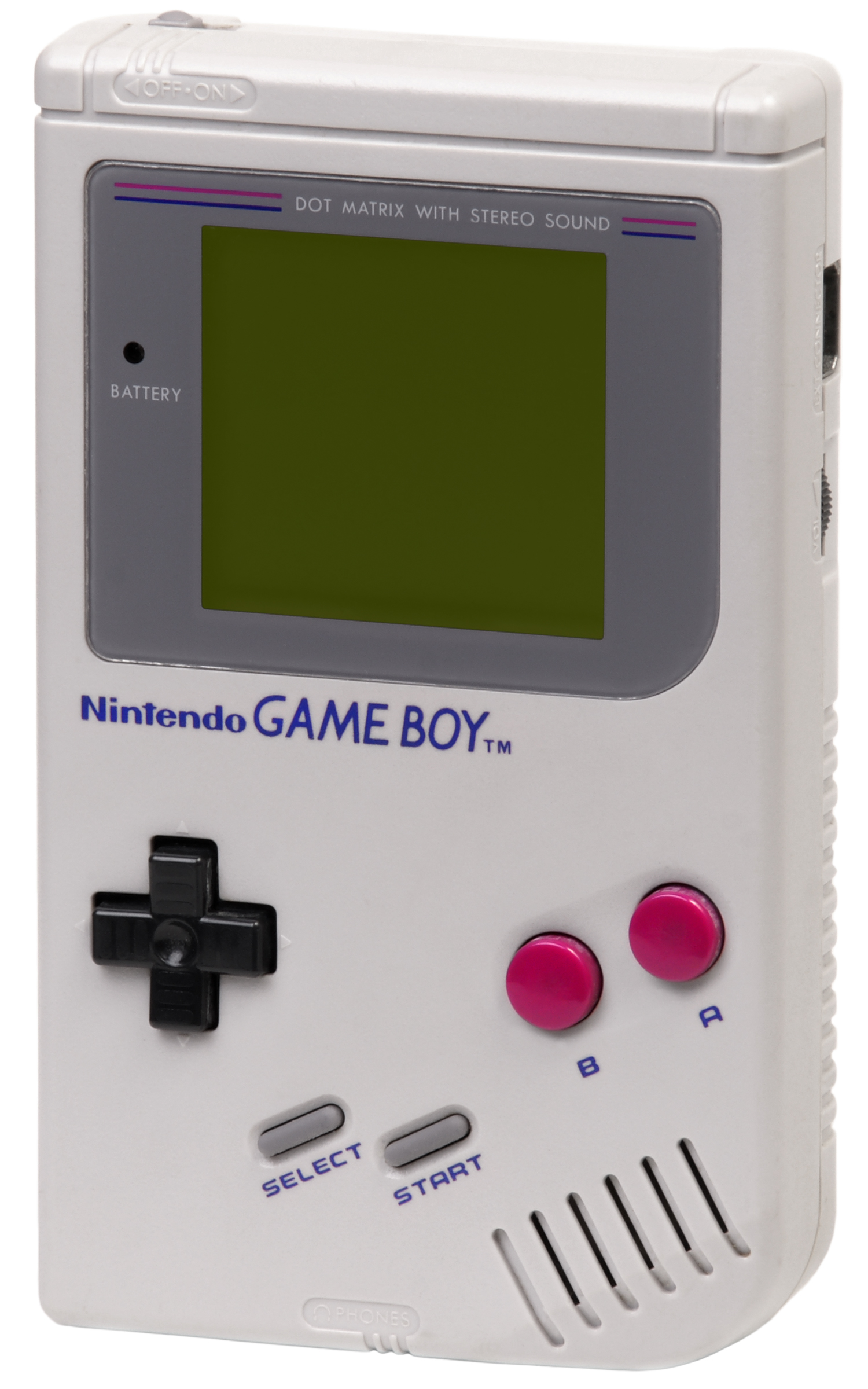
Vintage video game collecting has emerged in the last fifteen years as one of the fastest-growing collectables markets. The first generation of children who grew up with home consoles in the 1970s and 1980s now have disposable income to acquire the systems and games of their childhood. The second generation, raised on the Nintendo Entertainment System, the Super Nintendo, the Sega Genesis, and the original Game Boy, is now driving the bulk of the market. This guide covers the practical foundations of starting a vintage video game collection well.
Choose Your Platform
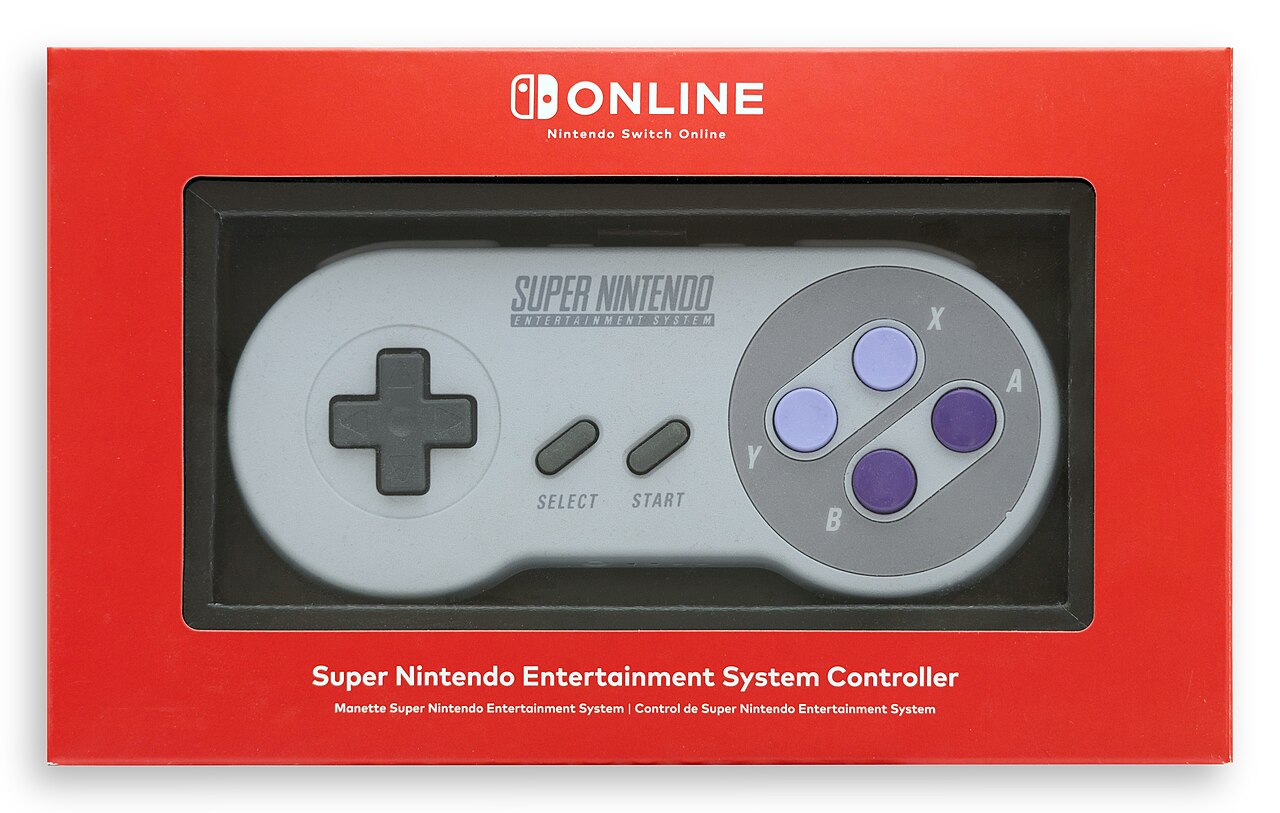
Most successful collections focus on a single platform or a small group of related platforms. Collecting “vintage video games” without a focus quickly becomes overwhelming because the total catalogue runs into tens of thousands of titles. Pick a platform that resonates with you: NES, SNES, Genesis, Game Boy, Atari 2600, or one of the systems that came shortly after. Familiarity makes you a better buyer.
Understand the Format Hierarchy
Within any platform, prices climb steeply with completeness. A loose cartridge is the entry tier. A cartridge with its original manual adds a meaningful premium. A cartridge with manual and box adds another premium. A complete-in-box (CIB) example with all inserts, registration cards, and original plastic adds yet another. Sealed in original shrink-wrap sits at the top, with prices that for popular titles rival fine art at major auction.
The Wata and VGA Grading Phenomenon
Third-party grading of sealed video games — pioneered by VGA in the 2010s and accelerated by Wata Games starting around 2019 — transformed the high end of the market. Graded sealed copies of titles like the original Super Mario Bros, The Legend of Zelda, and Super Mario 64 have crossed six- and seven-figure auction prices. Whether you collect graded or ungraded depends on your goals: graded slabs are easier to sell at the top tier; loose and CIB collections are more enjoyable for casual play and display.
Authentication of Sealed Product
The high prices in graded sealed video games have produced a substantial counterfeiting and resealing industry. Reseals — opened games re-shrink-wrapped to look sealed — are the most common deception, and even experienced collectors have been fooled by professional-grade reseals. For high-value sealed product, buy only from established auction houses or dealers with documented chain of custody, and prefer copies that have been graded and authenticated by Wata, VGA, or a comparable service.
Cartridge Condition
For loose cartridges, condition factors include label quality (no tears, fading, or grime), shell condition (no major scratches, cracks, or sun yellowing), and electronic functionality. Battery-backed save features in older games (Zelda, Final Fantasy, Pokémon) often need the internal battery replaced after thirty years of leakage; check whether games can save before assuming they are working.
Console Condition
If you collect consoles alongside games, condition factors include exterior cleanliness, working power and AV output, working controller ports, working cartridge or disc reading, and the absence of yellowing on plastic. Many vintage consoles benefit from professional refurbishment — capacitor replacements, contact cleaning, controller rebuild — to restore reliable operation. Refurbished consoles are not less valuable, particularly when documented.
Software Preservation
Beyond the financial collecting angle, the video game collector community plays a real role in software preservation. Games whose original cartridges have failed or whose source code has been lost can sometimes be recovered only from collector copies. Many serious collectors contribute ROM dumps, manuals, and box scans to preservation archives. The hobby and the preservation effort are intertwined.
Where to Buy
Specialist dealers, retro game stores, collector forums, online auction sites, and conventions all serve different parts of the market. New collectors often start with online purchases of graded loose cartridges, then move toward CIB acquisitions as they develop relationships with dealers. Sealed product purchases at the top of the market typically happen through specialist auction houses.
For the wider category, see our video games hub. The key date glossary entry covers the related concept of release-window scarcity that drives premium prices on certain titles.
Frequently Asked Questions
What vintage video games are most valuable?
Sealed (graded) Super Mario Bros. NES first-print copies have crossed $2 million. Other top-tier: sealed Stadium Events NES, Nintendo World Championships gold/grey carts, sealed Pokémon Red/Blue/Green first prints, sealed The Legend of Zelda NES “NES TM” variants, and rare promotional/prototype copies.
Should I keep vintage games sealed?
For investment, yes—sealed copies graded by WATA or VGA typically command 5-50x the price of opened complete copies. However, the WATA/VGA market has shown volatility since 2022. Sealed copies are vulnerable to box damage, plastic yellowing, and shrinkwrap deterioration if stored improperly.
How do I authenticate a CIB (Complete in Box) vintage game?
Verify all original components: cartridge or disc (matching label/print run), original box (correct printing variant—first print, second print, “Player’s Choice”), instruction manual (correct edition), inserts (registration cards, dust covers, maps), and any included peripherals. Reference Nintendo Player and Pricecharting for variant guides.
What’s the difference between WATA and VGA grading?
WATA was the dominant grader 2018-2023 but faced credibility issues. VGA is older (2008+) with stricter, more conservative grading. As of 2026, both compete, with collectors preferring VGA for high-end pieces and WATA for modern bulk. Both use 0-100 scales with sub-grades for box, seal, and cartridge condition.
Are modern reissues and Switch versions collectible?
Generally not for investment. Mass-produced modern releases lack scarcity. Exceptions include limited Nintendo Switch physical editions (Limited Run Games, Special Reserve), Atari Limited Editions, and physical releases of digital-only games. Even these typically appreciate modestly compared to vintage cartridges.