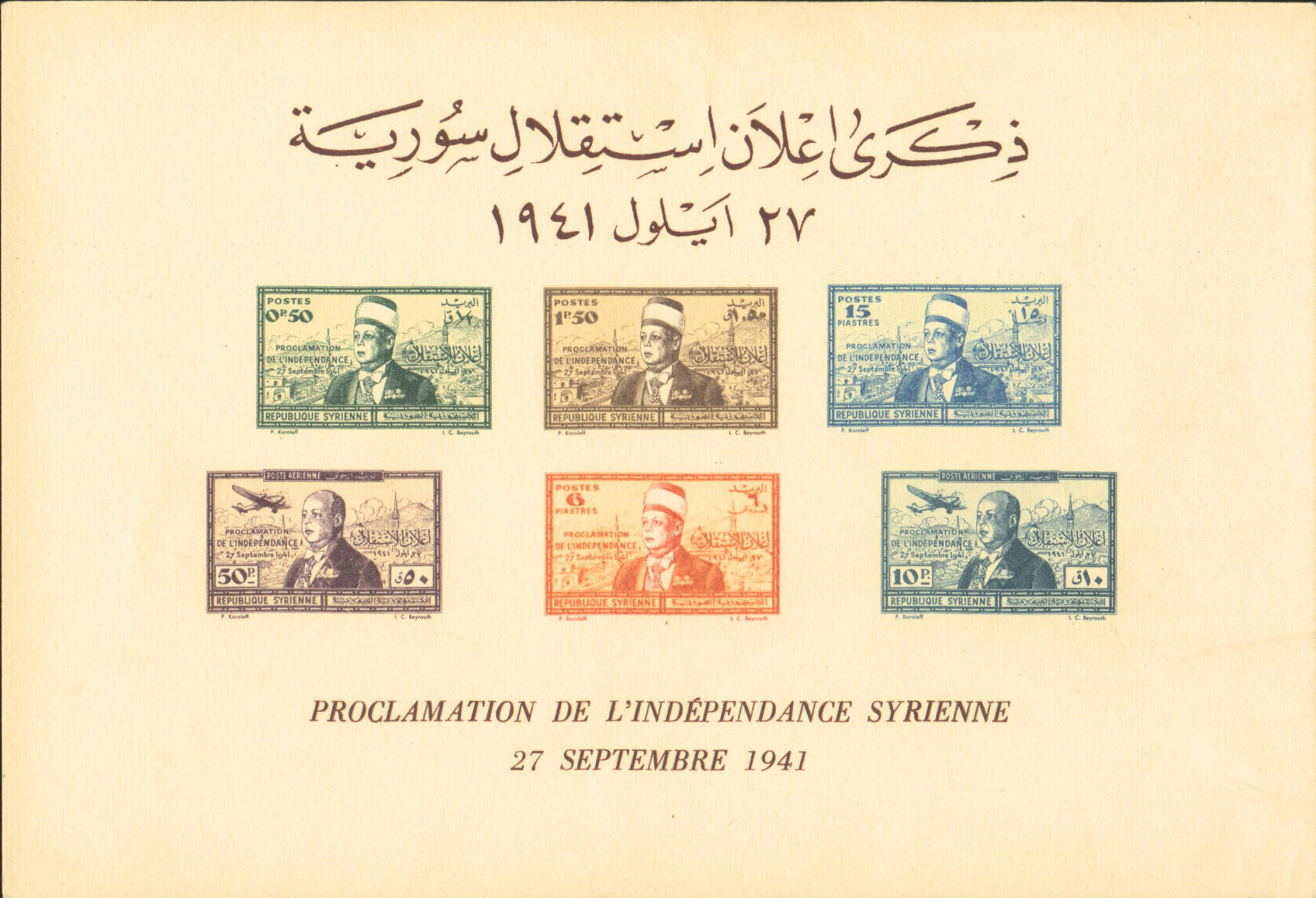
Stamp collecting — formally known as philately — is among the oldest organised collecting hobbies. The first adhesive postage stamp, the British Penny Black, was issued in May 1840, and serious collectors began assembling stamp albums within a decade of that release. Today philately is practiced worldwide with active dealer networks, specialist auctions, and an extensive academic literature documenting the printing, varieties, and history of every major postal authority.
The Three Foundational Decisions
New stamp collectors should make three early decisions: the country or region to focus on, the time period, and the format (used, mint, or both). A focused collection — say, Great Britain stamps from 1840 through 1901, used examples — is achievable, intellectually rich, and matched by abundant reference material. An unfocused “world stamps” approach quickly becomes unmanageable and unsatisfying.
Used vs Mint
Mint stamps — unused examples in their original gum condition — are generally more valuable than used stamps within the same issue. The exception is rare stamps where used examples are scarcer than mint, which happens with stamps that were heavily collected at issue but rarely actually used in postage. Used stamps are also more historically interesting because their cancellations document where and when they actually travelled.
Condition Vocabulary
Stamp grading uses a specific vocabulary: Centring (the position of the design within the perforations, ranging from poor to very fine), Gum (full original gum, lightly hinged, hinged, no gum), Faults (tears, thins, creases, stains), and Cancellation quality (light and clear, heavy, smudged). Each factor contributes to the final assessment. A stamp described as “Mint Never Hinged Very Fine Centred” is at the top of its tier; the same stamp described as “Used Heavy Cancel Off Centre with Thin” is at the bottom.
The Penny Black
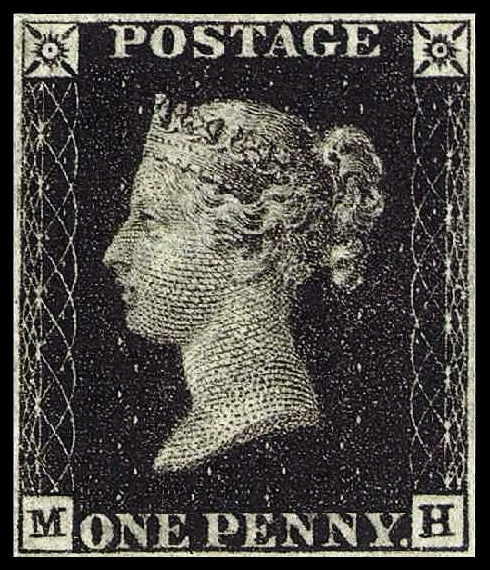
The Penny Black is the natural starting point for any historical collection. Issued for less than a year before being replaced by the Penny Red (1841), the Penny Black was printed in roughly 68 million examples — a print run so large that used examples remain affordable today, with even nice condition copies available for modest prices. Plate varieties (the Penny Black was printed from eleven plates, each producing slightly different impressions) provide a deep specialty within the issue.
Authenticated Rarities
The most valuable stamps — the British Guiana 1c Magenta, the Treskilling Yellow, the Inverted Jenny — sit at the top of the philatelic market and trade for figures that rival the most valuable coins and comics. Authentication for high-value stamps is done by specialist expertising services that issue certificates following physical and chemical examination. No serious purchase at this level should occur without an expert certificate.
Storage and Display
Stamps are paper objects vulnerable to humidity, light, and acidic environments. Use acid-free album pages and stockbook sleeves; avoid older “magic” or pressure-sensitive mounts that can damage gum. Store albums upright in a cool, dry, dark environment with stable humidity. For mint stamps, never touch the gum — handle by the edges only, ideally with stamp tongs.
Catalogue Values vs Market Prices
Standard stamp catalogues (Stanley Gibbons for Commonwealth, Scott for North American, Michel for European, Yvert et Tellier for French and colonial) publish reference prices that serve as a baseline. Actual market prices for common stamps run at twenty to forty per cent of catalogue value; for genuine rarities, market prices can exceed catalogue. Use catalogues for identification and structure, not for market valuation.
Joining the Community
Philatelic societies — the Royal Philatelic Society in London, the American Philatelic Society in the United States, and many regional and country-specific societies — provide journals, exhibitions, and authentication services for members. Joining at least one society early in your collecting career accelerates learning and connects you to dealers and collectors with deep specialist knowledge.
For the wider category, see our stamps hub. The provenance glossary entry applies to philately as it does to every collectable category.
Frequently Asked Questions
Are stamps still a good collecting category in 2026?
Yes, for the right collector. Stamps offer one of the lowest barriers to entry in collecting, with millions of varieties at every price point. The 19th-century classics market remains strong; mid-20th-century commemoratives have softened but offer education value. Investment-grade philately requires specialization (e.g., Confederate, Penny Black plates, China dragons).
What is the most valuable stamp ever?
The British Guiana 1c Magenta (1856) sold for $9.48 million in 2014—a single-known specimen. Other top-tier: Treskilling Yellow (Sweden, 1857), Inverted Jenny block (USA, 1918), Penny Black plate proofs, and unique Hawaiian Missionary stamps. These are auction-house tier; most collected stamps trade for $1-$100.
How do I store stamps properly?
Use approved stamp albums with archival mounts (Hawid, Showgard) for displayed stamps; glassine envelopes or stockbooks for unmounted. Maintain humidity 45-55%, temperature 65-70°F, away from light. Never use regular tape, glue, or adhesive hinges—they damage gum and reduce value 50-90%.
Should I buy used or mint stamps?
Depends on era and rarity. Pre-1900 stamps are typically more valuable used (postal history collectors prize cancellations on cover). Post-1940 commemoratives are usually more valuable mint never-hinged (MNH). Always check Scott or Stanley Gibbons catalogue valuations for the specific issue.
How do I authenticate rare stamps?
For stamps over $500, get a certificate from a recognized expertizing committee: APS Expertizing Service (USA), Royal Philatelic Society London, or Senf-Bock-Müller (Germany). They examine paper, perforations, gum, and printing for ~$30-$200 per stamp. Without expert certificates, high-value stamps trade at 30-60% discounts.