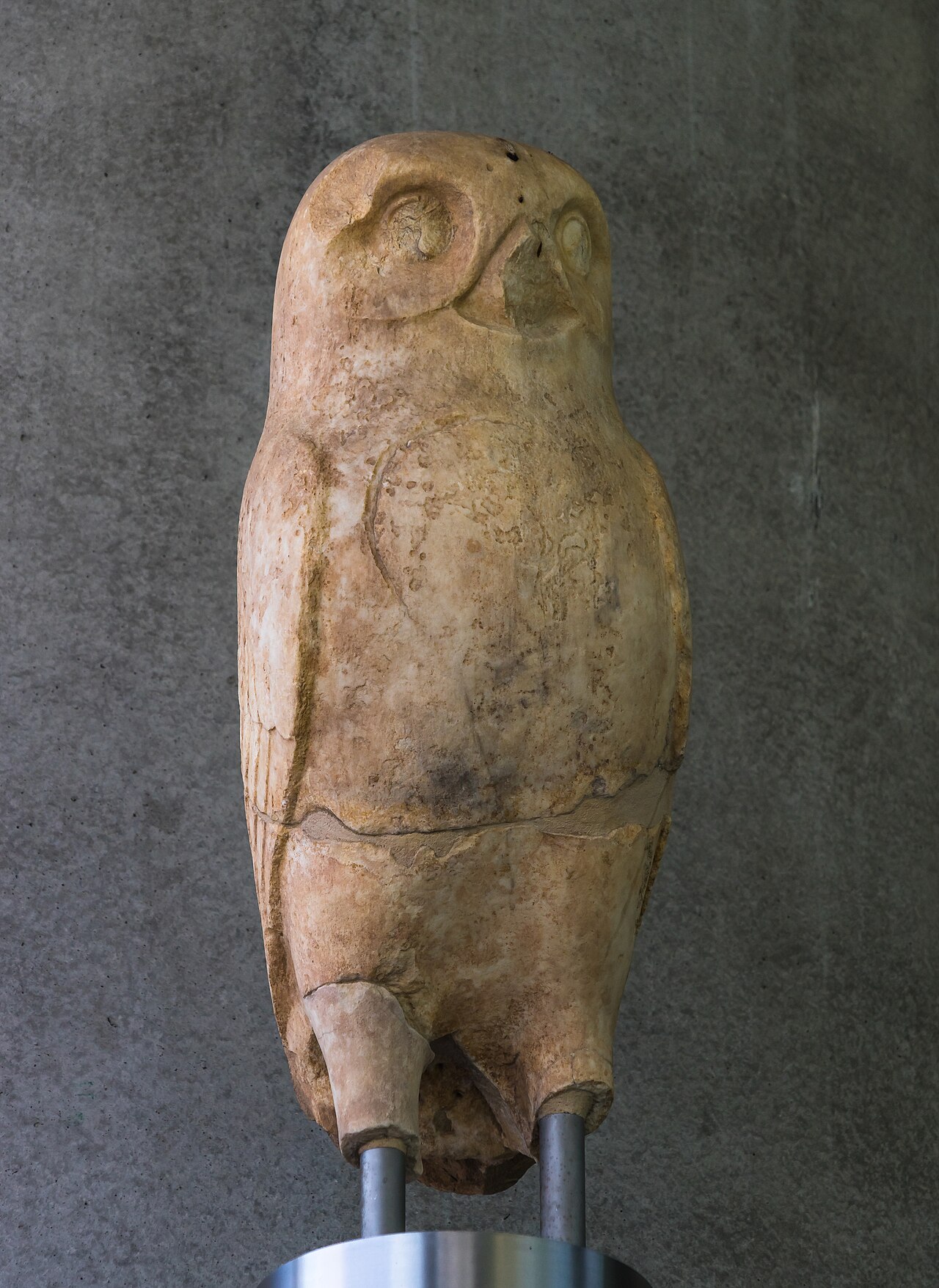
A practical hub for collectors based in or buying from Greece and Cyprus. Covers the major auction houses, museums, collector societies, the export-licence rules that catch most international buyers off guard, and the recurring events that anchor the regional collecting calendar.
Why Greece & Cyprus is its own region
Greece and Cyprus share a continuous cultural inheritance from ancient Greece through the Byzantine, Venetian, Ottoman, and modern republican periods — but they also share a heavily-regulated cultural-property regime that any collector must understand before transacting. Both countries are signatories of the 1970 UNESCO Convention; both maintain restrictive national export laws specifically aimed at preserving antiquities and ecclesiastical art in country.
The major Greek auction houses
- Vergos Auctions (Athens) — established 1989, the leading Greek house for Greek modern and contemporary art, antiquities (with documented provenance), maps, manuscripts, and decorative arts. Holds spring and autumn auction sales annually at the Athens premises.
- Bonhams Greek Sale (London) — held annually in London, the dominant international auction for high-end Greek modern art (Theofilos, Lytras, Tsarouchis, Fassianos, Tsoclis, Moralis).
- Sotheby’s Greek Sale (London) — periodic Greek-focused sales, particularly strong in modernist Greek paintings.
- Christie’s Greek modern art — included within mid-20th-century sales rather than as a standalone category.
The major Cyprus auction venues and dealers
- Cyprus auction houses operate at smaller scale than the Greek market. Most high-end Cypriot art passes through London (Bonhams, Sotheby’s) or Athens (Vergos).
- Bank of Cyprus Cultural Foundation (Nicosia) — not an auction house, but the central institution for Cypriot art, holding regular exhibitions and educational programmes; their library is the leading reference for Cypriot art history.
- The A.G. Leventis Gallery (Nicosia) — an institutional collection rather than a dealer, but a critical reference for the modern-Cypriot, 19th-century-Greek, and old-master European categories.
Collector societies and associations
- Hellenic Numismatic Society (Ελληνική Νομισματική Εταιρεία) — founded 1970, hosts monthly meetings and publishes Νομισματικά Χρονικά. The reference body for ancient and modern Greek numismatics.
- Hellenic Philotelic Society (Ελληνική Φιλοτελική Εταιρεία) — the senior philatelic society, founded 1925.
- Cyprus Numismatic Society — based in Nicosia, the principal collector society for Cypriot coins and medals.
- Cyprus Philatelic Society — the principal philatelic society, headquartered in Nicosia.
- Hellenic Friends of the Coin (Φίλοι του Νομίσματος) — Thessaloniki-based, focus on northern Greek collecting.
Major museums (and why collectors visit them)
- National Numismatic Museum (Athens) — housed in the former Schliemann residence; the second-oldest numismatic museum in Europe and an essential reference for Greek collectors.
- Acropolis Museum (Athens) — for context on antiquities and the legal-historical debate around the Parthenon Marbles.
- Benaki Museum (Athens) — Greek decorative arts, ecclesiastical objects, costumes, and modern Greek paintings.
- Museum of Cycladic Art (Athens) — Cycladic figurines and the legal precedent of voluntary repatriation.
- Cyprus Museum (Nicosia) — antiquities reference for Cypriot material; many objects bear directly on items that appear in the international market.
- Leventis Municipal Museum of Nicosia — Cypriot history and decorative arts.
Greek and Cypriot export rules — the part most buyers miss
Both countries restrict the export of items found within their territory and considered cultural heritage. Items most likely to be restricted: antiquities of any age, Byzantine icons, Ottoman-period objects with ecclesiastical or military significance, items from the occupied northern part of Cyprus removed after 1974, and items above defined age and value thresholds for “modern cultural property”. Export licences must be obtained from:
- Greece — Ministry of Culture, Directorate of Documentation and Protection of Cultural Goods.
- Cyprus — Department of Antiquities, Ministry of Transport, Communications and Works.
Buyers acquiring items in country should request an export licence from the seller as part of the transaction. Items leaving the country without a licence are subject to seizure on import to other countries under UNESCO-Convention principles.
What the Greek and Cypriot market is strong in
- Greek modern and contemporary art — Theofilos, Lytras, Volanakis, Iakovidis, Parthenis, Tsarouchis, Bouzianis, Moralis, Fassianos, Tsoclis, Vassiliou, Akrithakis, Antonakos.
- Cypriot modern art — Adamantios Diamantis, Tellos Agras, Christoforos Savva, Telemachos Kanthos, Stass Paraskos.
- Greek ancient coinage — particularly Athenian tetradrachms (the “owl” type), Macedonian gold staters (Philip II and Alexander), and the Hellenistic-kingdom issues. Authentication via specialist references (BMC Greek series, Sylloge Nummorum Graecorum).
- Cypriot ancient coinage — the Cypriot kingdom issues (Salamis, Paphos, Kition, Marion, Idalion, Kourion) are a deep specialty.
- Byzantine and post-Byzantine icons — heavily regulated; export licences essential.
- Ottoman-period printed maps and manuscripts — particularly the Greek-language press of Venice and Vienna in the 17th-19th centuries.
Recurring events in the regional calendar
For the up-to-date list, see our Events page; the annual anchors include the Vergos Auctions spring and autumn Athens sales, the Hellenic Numismatic Society monthly meetings at the National Numismatic Museum, the Bank of Cyprus Cultural Foundation rotating exhibitions in Nicosia, and the Bonhams Greek Sale held annually in London.
Where to start as a new collector in this region
Visit the National Numismatic Museum and the Benaki Museum in Athens; visit the Cyprus Museum and the A.G. Leventis Gallery in Nicosia. Read the British Museum BMC Greek catalogue and the Sylloge Nummorum Graecorum for ancient numismatics. Attend two Vergos sales as an observer before bidding. Read Marina Lambraki-Plaka’s Twentieth-Century Greek Painting for modern art. Join the Hellenic Numismatic Society or the Cyprus Numismatic Society — annual dues are low and the meetings are the single fastest way to build the regional network you’ll need.
Frequently Asked Questions
Are there active collector communities in Greece and Cyprus?
Yes, especially in Athens, Thessaloniki, Nicosia, and Limassol. Greek and Cypriot collectors are active in coins, banknotes (especially pre-Euro drachma and pound), antiquarian books, vintage radios, and football memorabilia. Local Facebook groups, the Athens Numismatic Society, and Cyprus Philatelic Society are good starting points.
Where do I buy collectibles in Greece and Cyprus?
Athens: Monastiraki flea market for vintage finds, Stoa tou Vivliou for books, Hellenic Auctions for serious pieces. Thessaloniki: Modiano Market and weekend antique fairs. Cyprus: Larnaca and Nicosia antique shops, plus regional auctions through Cypriot Bidder. Online: Drouot.com extends to Greek pieces.
Can I export antiquities and collectibles from Greece?
Genuine antiquities (pre-1830) are heavily restricted and require Ministry of Culture export permits. Most collectibles (coins, banknotes, books, watches, modern memorabilia) export freely with normal customs declarations. Always retain receipts—lack of provenance can trigger customs detention.
What Greek and Cypriot collectibles are most valuable?
Ancient Greek silver tetradrachms ($500-$50,000+), 19th-century Greek revolution memorabilia, signed Cavafy first editions, pre-1928 Cyprus banknotes, vintage AEK/Olympiacos/PAOK programs, and 1970s-80s Greek rock vinyl. Authentication is critical—Greek antiquities are heavily faked.
How do I value an inherited Greek collection?
Start with a free preliminary appraisal from a major auction house (Sotheby’s Athens, Bonhams Greece partners, Hellenic Auctions). For coins, seek a numismatist accredited by the Hellenic Numismatic Society. Document everything photographically before consulting—this protects against pieces “going missing” during evaluation.