A high-level introduction to the major Asian collecting categories, their reference houses and authentication traditions, and the structural reasons Asian collecting has become the strongest growth segment in the global market.
Chinese ceramics and Imperial wares
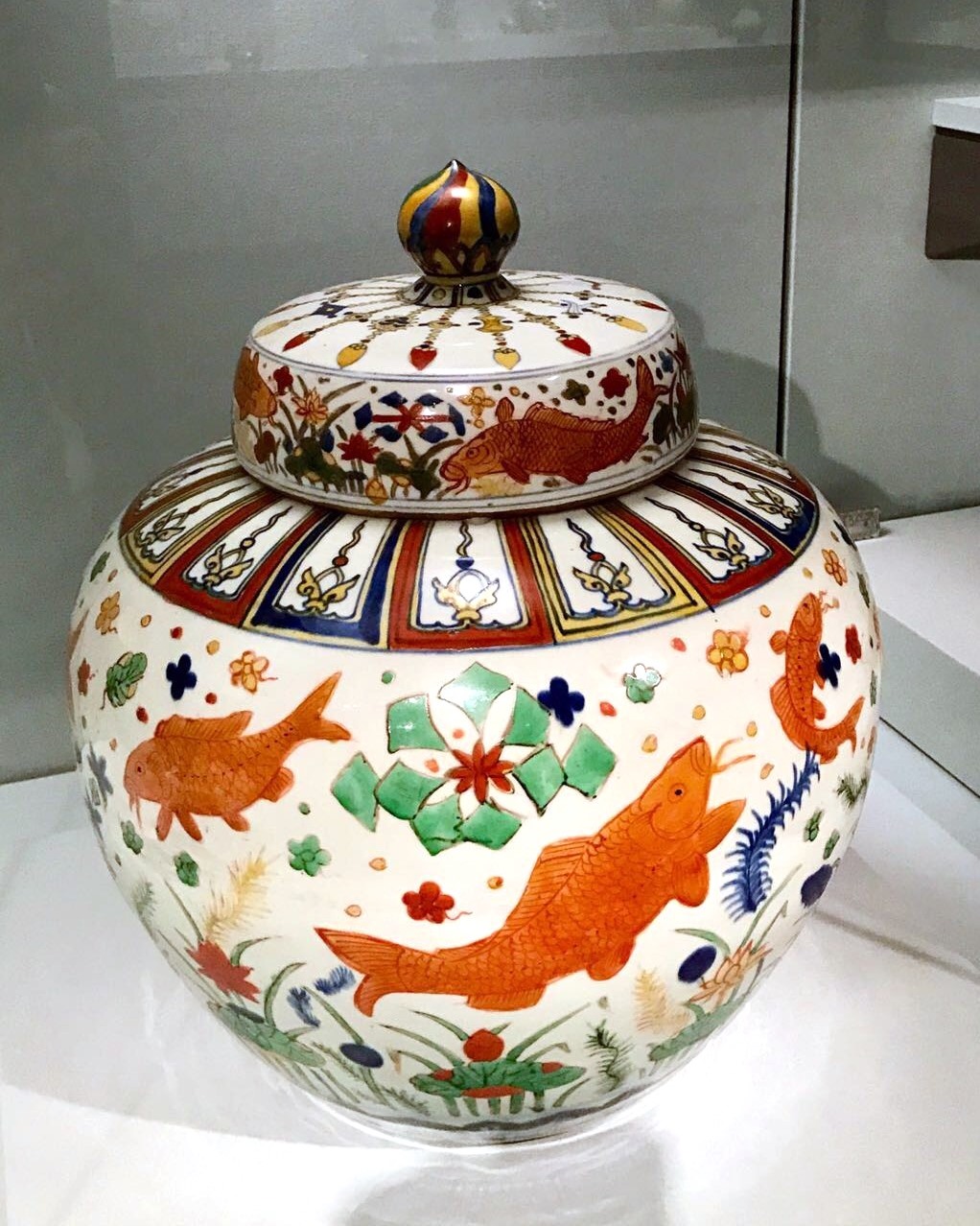
Imperial Chinese porcelain — particularly Qing dynasty Yongzheng and Qianlong reign-mark pieces — is the highest-value collectible category in the world by single-piece price. The 2014 sale of a Ming Chenghua “chicken cup” at $36 million remains a benchmark. The category is mature, deeply documented (Sir Percival David Foundation reference collection at the British Museum), and heavily faked.
Chinese paintings and calligraphy
Classical Chinese painting — handscrolls, hanging scrolls, album leaves — leads the highest segment of the contemporary auction market. Authentication is opinion-driven and historically opinion-fragile; provenance and seal-impression analysis are the dominant diagnostic tools.
Chinese coinage
From the Tang Kai Yuan Tong Bao through the early Qing cash coinage, the late-Qing machine-struck silver dollars (the “fat man” and “junk dollars”), and the Republican-era issues, Chinese numismatics is one of the deepest national-coin categories. PCGS and NGC both grade Chinese cash and modern issues; China Guardian and Spink China handle the highest end.
Japanese categories
- Ukiyo-e woodblock prints — Hokusai, Hiroshige, Utamaro, Sharaku. Edition state, paper quality, and published-state versus posthumous-state distinctions are the value drivers.
- Japanese swords (nihontō) — koshirae and tōshin authentication via NBTHK and NTHK organisations; export licences required.
- Studio Ghibli production cels and storyboards — a specialist modern category.
- Vintage Japanese watches — Seiko Grand Seiko, Seiko 6217 World Time, Citizen Chronomaster.
Korean categories
Joseon dynasty white porcelain (baekja), celadon, dancheong-painted folk objects, and bunchong stoneware. The Korean ceramic market is comparatively small but deeply researched; the National Museum of Korea and the Leeum Samsung Museum hold the reference collections.
Southeast Asian categories
- Cambodian, Thai, and Burmese bronzes — heavily restricted by source-country export law; provenance pre-1970 is essential.
- Indonesian batik textiles — particularly tulis (hand-drawn) work from named studios.
- Vietnamese banknotes and coinage — French Indochina period and reunification-era issues.
Indian-subcontinent categories
Mughal painting and metalwork, Pahari and Rajasthani painting, Indian temple bronzes (heavily restricted by export law), Indian coinage from Punch-marked issues through Mughal mohurs to East India Company and British Raj coinage, and modern Indian paintings (Ravi Varma, Tagore, Husain). Pundoles (Mumbai), Saffronart, and Christie’s South Asian sales handle the high end.
Why Asian collecting is growing fastest
Three structural drivers: (1) the post-2008 emergence of mainland Chinese mainland collectors with strong purchasing power; (2) the cultural pride of repatriation of Imperial-Chinese material from Western collections; (3) the development of professional grading services (PCGS Asia, NGC Asia, Heritage Asia, Phillips Asia) that make Asian markets more liquid for Western consignors. The category-level growth has outpaced any other major regional market in the 2015–2025 period.
Frequently Asked Questions
Is this collectibles guide suitable for beginners?
Yes — this guide is written to be accessible to new collectors while remaining useful for intermediate enthusiasts. We layer foundational concepts with practical examples, expected price ranges, and authentication checkpoints so you can read once and reference repeatedly. If you are completely new, we recommend reading our beginner’s roadmap (/start-here/) alongside this material.
How current is the information in this collectibles guide?
This guide reflects 2026 market conditions, grading standards, and authentication best practices. We periodically refresh content as auction records, grading-service criteria, and counterfeit techniques evolve. The guide’s last-updated timestamp shown by your browser corresponds to our most recent factual review.
What’s the most common mistake collectors make in collectibles?
Buying before learning. The hobby rewards patience: collectors who spend the first 60-90 days reading, attending shows, watching auction results, and asking questions in established communities consistently outperform those who buy aggressively from day one. Education compounds; impulse purchases rarely do.
Where can I get items in collectibles authenticated?
For most categories, established third-party authenticators include PSA, BGS, CGC, and SGC for cards; PCGS and NGC for coins; BBCE for sealed Pokémon and sports wax; AFA for toys; and recognized industry experts or auction-house specialists for watches, autographs, and fine collectibles. Independent verification typically costs $20-$200 and is well worth it for any item over $500. See our /authentication-hub/ for category-specific recommendations.
How do I sell collectibles for the best price?
Match the venue to the value. Items under $100: eBay or Facebook collector groups. Items $100-$1,000: eBay with strong photography and detailed descriptions, or category-specific platforms (StockX, Discogs, Catawiki). Items over $1,000: established auction houses (Heritage, Goldin, Christie’s, Phillips) or vetted dealer consignment. Avoid pawn shops (typical offers: 20-40% of fair value) and unverified buyers offering instant cash.