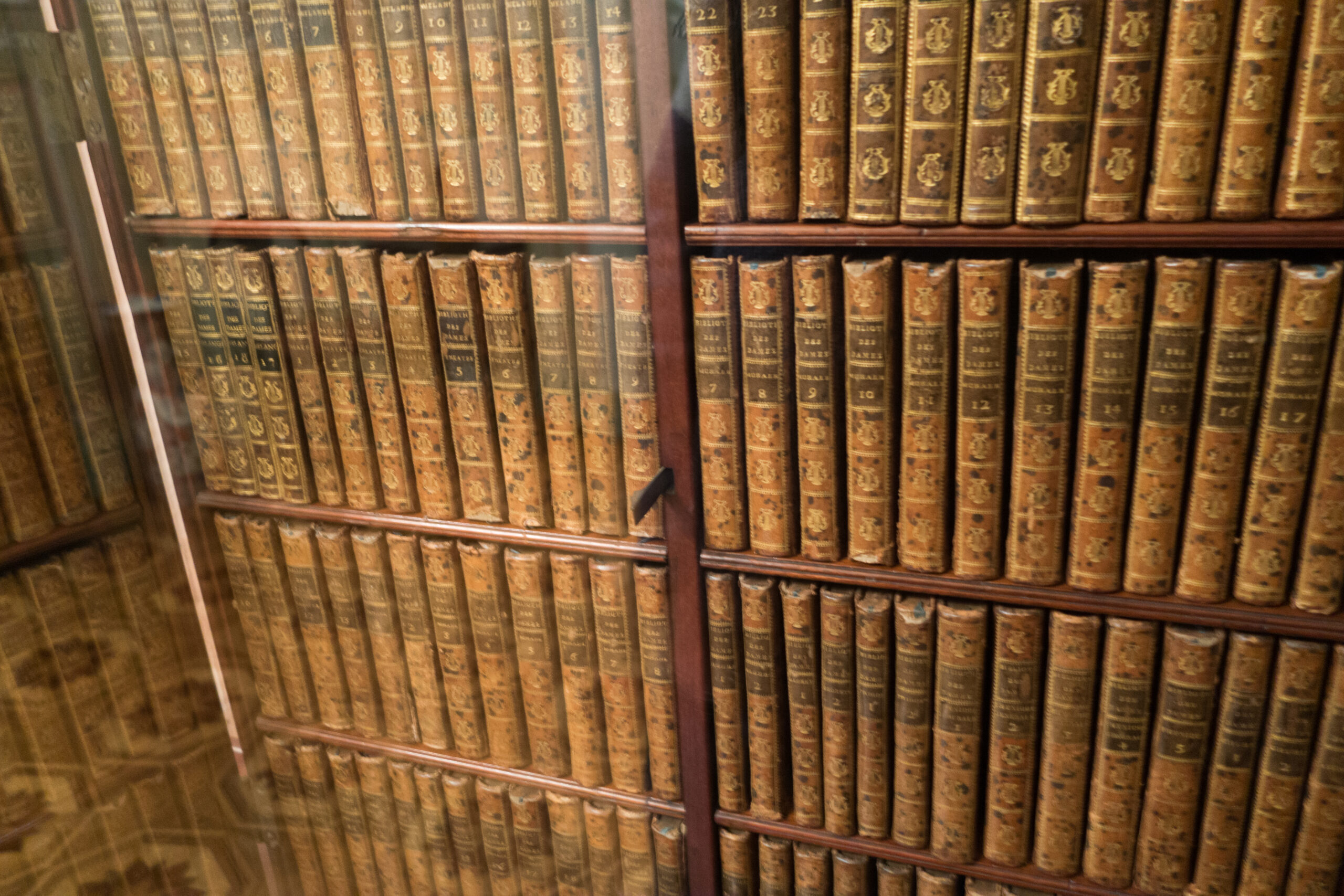
First edition book collecting sits at the literary end of the wider collectables market. A first edition is the initial print run of a book — the version that circulated when the book was new, before any subsequent reprints or revised editions. For canonical literary works, a true first edition can be worth dramatically more than identical-content later printings, and for the most coveted titles the difference runs to several orders of magnitude.
What Counts as a First Edition
The phrase “first edition” technically refers to all copies printed from the original setting of type. Within a first edition, there can be multiple printings: a first printing followed by a second printing, a third, and so on. Most collectors care about first edition first printing — the very first copies off the press. Identifying first printings requires reading the copyright page indicia, which uses different conventions for different publishers and different eras.
Identifying First Printings
Modern American publishers typically use a number line on the copyright page: a sequence like “1 2 3 4 5 6 7 8 9 10” indicates a first printing; “2 3 4 5 6 7 8 9 10” indicates a second printing. British publishers more commonly state “First Published” with a year. Older books used various conventions — the absence of any reprint statement, specific phrasings, dust jacket pricing — that vary by publisher and decade. Specialist references catalogue the first-edition points for major literary works.
The Dust Jacket
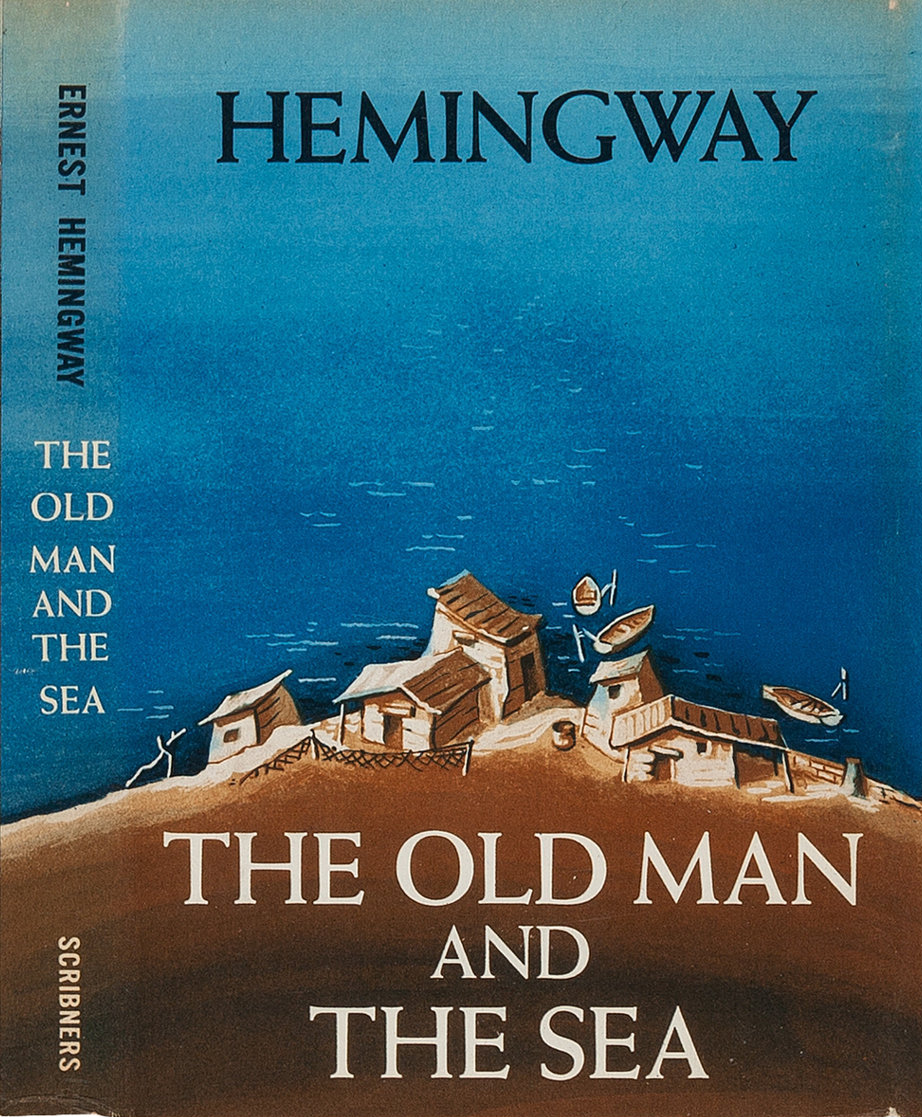
For most collectable twentieth-century first editions, the dust jacket is a critical component of value. A first edition without its original dust jacket is worth a fraction — often ten to twenty per cent — of the same book in jacket. The jacket is the most fragile component of a book and the most likely to be lost over decades. When you find a first edition with original jacket in good condition, you have found something rarer than most buyers realise.
Condition
Book condition vocabulary uses terms like Fine, Near Fine, Very Good, Good, Fair, and Poor. Each step represents meaningful changes in tightness of binding, freshness of pages, condition of boards, and presence or absence of marks. Within the dust jacket, the same scale applies separately. A book described as “Fine in Very Good dust jacket” has a fine book inside a slightly worn jacket — a common combination for older first editions.
Signed Copies
A signed first edition by the author commands a premium that can range from a small uplift for prolific signers to a multiplier of five or ten for authors who rarely signed. Inscriptions to specific people (association copies, particularly to other notable figures) can add further premium. Authenticated signatures are essential — forged author signatures are a long-standing problem in the literary collectables market.
Iconic Twentieth-Century First Editions
Among the most coveted modern first editions: Hemingway’s The Sun Also Rises (1926, in dust jacket); Fitzgerald’s The Great Gatsby (1925, in dust jacket); Tolkien’s The Hobbit (1937); Salinger’s The Catcher in the Rye (1951); Lee’s To Kill a Mockingbird (1960); Pynchon’s Gravity’s Rainbow (1973); García Márquez’s One Hundred Years of Solitude (1967, Spanish first); Rowling’s Harry Potter and the Philosopher’s Stone (1997, UK Bloomsbury hardback). Each of these has well-documented first-printing identification points and a substantial collector market.
Storage
Books degrade through humidity, light, acidic paper, and physical damage. Store on shelves with adequate ventilation, away from direct sunlight, in stable temperature and humidity. Use protective archival mylar dust jacket covers for valuable books with original jackets. Never apply tape, glue, or adhesive labels to a book you wish to preserve as a collectable.
Where to Buy
Specialist rare-book dealers, antiquarian book fairs, auction houses, and online platforms specifically designed for rare books all serve this market. The Antiquarian Booksellers’ Association of America (ABAA) and the International League of Antiquarian Booksellers (ILAB) maintain dealer directories of vetted members, which is a useful starting point for confirming reputable sources.
For the wider category, see our books hub. The first edition glossary entry covers the term across collectable categories.
Frequently Asked Questions
How do I identify a true first edition?
Examine the copyright page for “First Edition,” “First Printing,” “First Published,” or specific publisher codes. Different publishers use different conventions: Random House states “First Edition” with a number line ending in 1; Knopf removes “First Edition” on later printings; British publishers often state print history. Reference Mclean’s Modern First Editions or AbeBooks first edition points.
Are first editions always more valuable than later printings?
For collectible authors, almost always yes—often 10-100x. However, condition is paramount: a worn first edition is often less valuable than a fine condition second printing. Original dust jackets in fine condition can represent 80%+ of a book’s value.
What books are most valuable as first editions?
The 20th-century literary canon: Hemingway, Fitzgerald, Faulkner, Joyce, Nabokov, Salinger’s Catcher in the Rye ($25,000-$50,000+), Harper Lee’s To Kill a Mockingbird, J.K. Rowling’s Harry Potter and the Philosopher’s Stone first edition (£25,000-£60,000+ for hardback), and signed copies of any major author.
How should I store first edition books?
Vertical storage on shelves (never horizontal stacking—damages spines), consistent humidity 45-55%, temperature 65-70°F, away from direct light, in archival-quality dust jacket protectors (Brodart). Avoid basements (humidity), attics (heat), and ventilated areas (dust). Climate-controlled rooms preserve books for centuries.
Should I have first editions appraised?
Yes for any book potentially worth over $500. Use ABAA (Antiquarian Booksellers’ Association of America) certified dealers, major auction houses (Heritage, Bonhams, Christie’s), or independent appraisers credentialed through ASA. Insurance appraisals differ from market value—request the right type for your purpose.