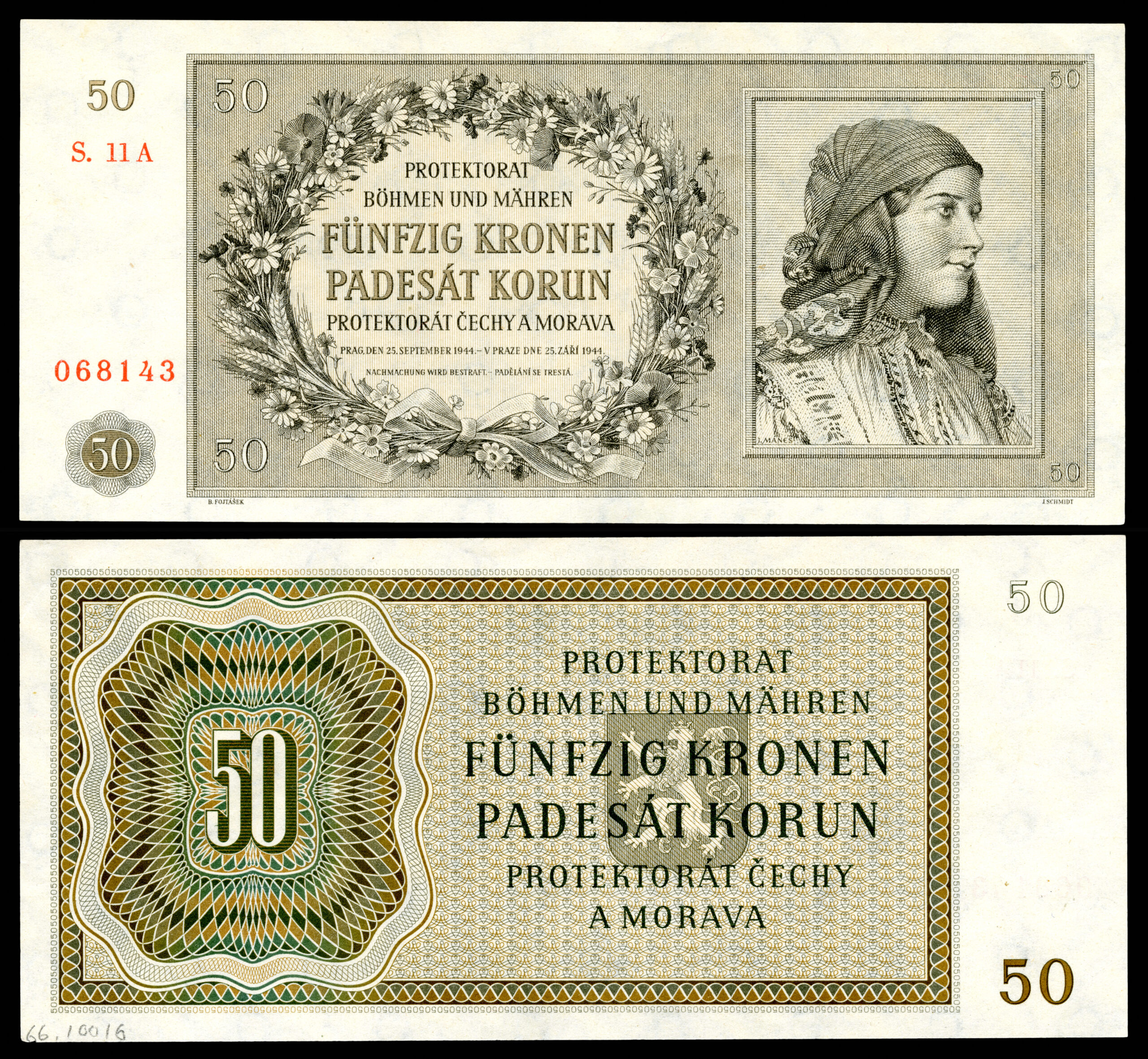
Notaphily — the formal term for banknote collecting — is among the most accessible specialty within the wider numismatic hobby. Banknotes are typically larger than coins, more visually rich, and more directly tied to the political and economic history of their issuing nation. A focused banknote collection can illustrate centuries of currency design, monetary reform, wartime economics, and inflation history within a few albums.
Why Banknotes
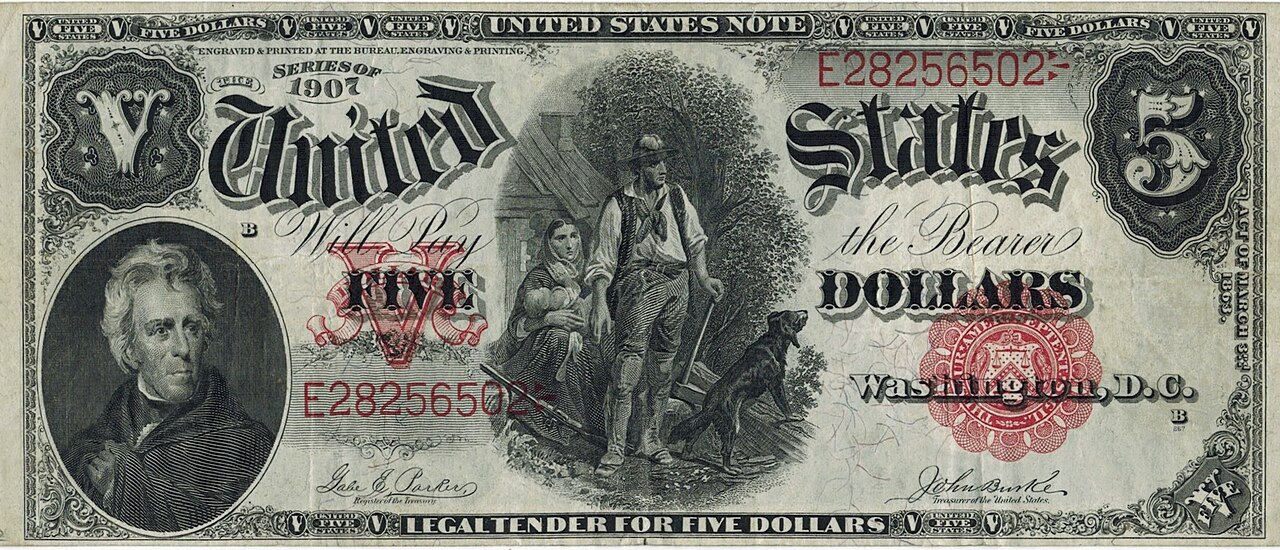
For collectors who already have a numismatic interest, banknotes broaden the historical scope. A coin tells you about the metal and the ruler; a banknote tells you about the engravers, the printing technology, the security features, and often the political moment of issuance. Banknotes from periods of hyperinflation — the Weimar Republic in 1923, Hungary in 1946, Zimbabwe in 2008 — are visceral artefacts of economic history.
Choose a Focus
As with stamps, banknote collections work best with a focus. Common organising principles include: a single country across its full banknote history; a single denomination across countries; a specific period (the gold-standard era, the post-war reconstruction era, the 1970s inflation era); or a thematic angle (notes featuring particular images, signatures, or printing techniques). Pick the focus that holds your interest.
Condition
Banknote condition is graded on a scale similar to coins, running from Poor through to Uncirculated and Gem Uncirculated. Folds, tears, missing corners, ink stains, pin holes, and writing all reduce value substantially. Paper-money grading services (PMG and PCGS Banknote are the two major operations) authenticate and grade banknotes on a 1–70 scale similar to coin grading and seal them in protective holders.
Specimen and Proof Notes
Beyond standard issued notes, certain banknotes were produced as specimens (provided to receiving central banks, postal authorities, and printers as reference samples) or as printer’s proofs (test impressions made during plate development). Specimen and proof notes are typically rarer than issued notes and command premiums when their authenticity is documented. The provenance for these special items is unusually important because the markets are smaller and less transparent.
Replacement and Star Notes
When a sheet of banknotes is damaged during printing, the damaged note is replaced with a specially marked replacement note — most commonly identified by a star symbol in the serial number. Star notes have lower print runs than standard notes and command premiums, particularly in higher grades and for series with low star-note production.
Authentication
Counterfeit banknotes for collector purposes — distinct from counterfeit notes intended for circulation — are an ongoing problem. Modern reproduction technologies have made high-quality fakes accessible to bad actors. For high-value notes, professional authentication and grading is essential. For lower-value purchases, comparison against verified examples and inspection under magnification for proper printing characteristics is the working approach.
Storage
Banknotes share storage requirements with stamps and comic books: cool, dry, dark, stable humidity, acid-free enclosures. Store in archival sleeves designed for currency size, in albums with rigid pages, away from direct light. Never fold or crease a collectable note; never write on or stamp the front or back; never use adhesive of any kind.
Where to Buy
Specialist banknote dealers, numismatic auction houses with currency divisions, banknote-specific clubs and societies, and online marketplaces all serve the market. New collectors often start with mid-grade examples of a single country’s series, building familiarity before moving to scarce issues or higher grades.
For the wider category, see our banknotes hub. The grading scale glossary entry covers the numbered grading systems used across collectables.
Frequently Asked Questions
How do I start collecting coins on a budget?
Begin with a Whitman or Dansco folder for one series (US Lincoln cents, Buffalo nickels, Mercury dimes—all available in circulated grades for $1-$20 each). Goal: complete a circulated set first ($100-$500 total), then upgrade selectively. Avoid “rare coin” mailers and TV ads—markup is 200-500%.
Should I clean old coins?
Never. Cleaning destroys 50-95% of numismatic value. Even gentle “wiping” creates microscopic hairlines that experts detect under magnification. Original surface—even with toning, dirt, or oxidation—is preferred. Send valuable coins to PCGS or NGC for professional conservation if absolutely necessary.
What’s the difference between PCGS and NGC?
Both are top-tier coin grading services with comparable standards. PCGS has historically commanded slight market premiums on US coins; NGC is often preferred for ancient and world coins. Both use the Sheldon 70-point scale with comprehensive holders. Crossing between services costs $20-$50 per coin and is rarely worthwhile.
Are gold and silver coins good investments?
Bullion coins (American Gold Eagles, Silver Eagles, Krugerrands) track metal prices with small premiums—useful for precious metal exposure but not “collecting.” Numismatic gold (pre-1933 US, ancient gold) combines metal value with collector premium. For pure investment, ETFs are more efficient than physical coins.
How do I sell coins for the best price?
For graded coins over $500: major auction houses (Heritage, Stack’s Bowers, Goldberg) realize 90-110% of price guides on consignment. For raw collections under $1,000: local coin shops pay 60-80% of melt + numismatic value. Avoid pawnshops (typically 30-50% of fair value) and “gold parties” (notoriously predatory).