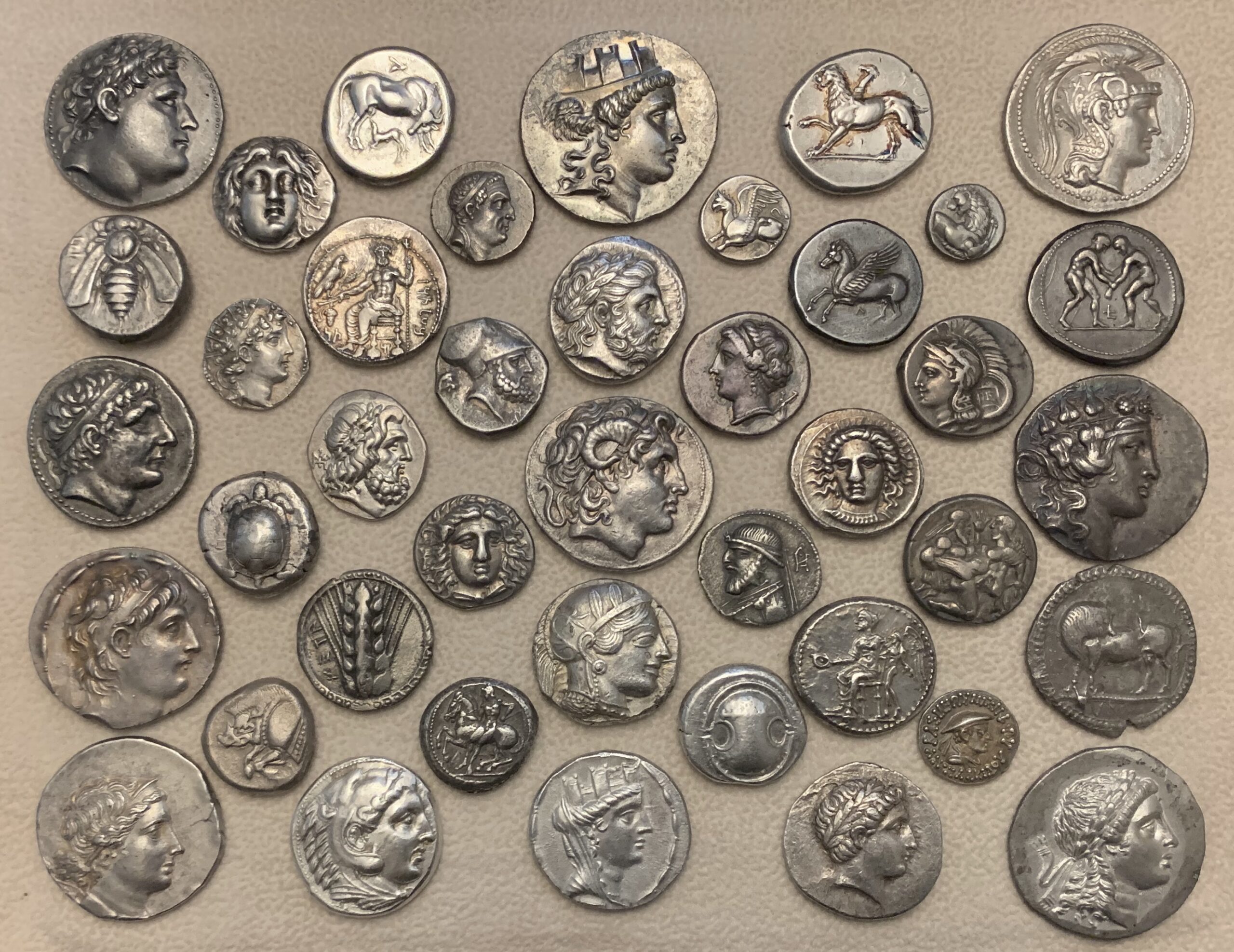
Coin collecting, also called numismatics, is one of the oldest and most accessible hobbies in the world. A meaningful collection can be started for free by simply paying attention to the coins that pass through everyday change, and a child who learns to look closely at coins is also learning history, geography, design, and metallurgy at the same time.
What makes a coin worth collecting?
Three properties make a coin desirable to collectors: its condition (how new and unworn it looks), its scarcity (how many were minted and survived), and its story (where it comes from, what it commemorates, and why it was struck). The most valuable coins usually combine all three.
The best beginner series
- Modern circulating commemoratives — quarters, dollars, and special-issue coins that anyone can save from change.
- Mint-set folders — inexpensive cardboard or plastic folders with one slot per year and mint mark, designed to be filled gradually over time.
- World coins from family travel — a single coin from each country a family has visited becomes a personal, lifelong collection.
Look at every coin in your pocket or piggy bank. Sort them by year and mint mark (the small letter under the date). You have just done your first numismatic inventory — the same activity professional collectors do, just with much smaller coins.
The three rules of handling coins
- Hold by the edge only. The flat surfaces of a coin are easily damaged by skin oils, scratches, and fingerprints.
- Never clean a coin. Cleaning damages the natural surface (the patina) and can permanently destroy a coin’s value. A dirty original coin is worth far more than a polished one.
- Use the right holder. Inert plastic flips, 2×2 cardboard holders, or proper albums protect coins. PVC plastic damages them over time.
Common terms explained simply
| Term | What it means |
|---|---|
| Obverse | The front of the coin (usually the face side). |
| Reverse | The back of the coin (usually the design side). |
| Mint mark | A small letter showing which mint produced the coin. |
| Proof | A specially struck coin made for collectors with a mirror finish. |
| Mintage | The total number of coins of that exact type that were produced. |
When you find a coin you think might be valuable, do not put it in a sandwich bag. Put it in a 2×2 cardboard holder, write the year, mint, and grade you think it is on the holder, and keep it flat. Holders cost cents and protect a coin for decades.
Should I clean an old coin to make it look better?
Never. Cleaning is the single fastest way to reduce a coin’s collector value. Even gentle wiping leaves microscopic scratches that experienced collectors and graders see immediately.
How do I know if a coin from change is valuable?
Most coins from change are worth their face value. The exceptions are usually older dates, low-mintage years, error coins, and pre-1965 silver issues. A beginner reference book or a free online mintage table covers the vast majority of cases.
Are there safe places to buy coins?
Yes — established coin shops, well-rated dealers, professional coin shows, and major auction houses with buyer protection. Online auctions can be safe if the seller has a long track record and clear photos.
Frequently Asked Questions
Is this coins guide suitable for beginners?
Yes — this guide is written to be accessible to new collectors while remaining useful for intermediate enthusiasts. We layer foundational concepts with practical examples, expected price ranges, and authentication checkpoints so you can read once and reference repeatedly. If you are completely new, we recommend reading our beginner’s roadmap (/start-here/) alongside this material.
How current is the information in this coins guide?
This guide reflects 2026 market conditions, grading standards, and authentication best practices. We periodically refresh content as auction records, grading-service criteria, and counterfeit techniques evolve. The guide’s last-updated timestamp shown by your browser corresponds to our most recent factual review.
What’s the most common mistake collectors make in coins?
Buying before learning. The hobby rewards patience: collectors who spend the first 60-90 days reading, attending shows, watching auction results, and asking questions in established communities consistently outperform those who buy aggressively from day one. Education compounds; impulse purchases rarely do.
Where can I get items in coins authenticated?
For most categories, established third-party authenticators include PSA, BGS, CGC, and SGC for cards; PCGS and NGC for coins; BBCE for sealed Pokémon and sports wax; AFA for toys; and recognized industry experts or auction-house specialists for watches, autographs, and fine collectibles. Independent verification typically costs $20-$200 and is well worth it for any item over $500. See our /authentication-hub/ for category-specific recommendations.
How do I sell coins for the best price?
Match the venue to the value. Items under $100: eBay or Facebook collector groups. Items $100-$1,000: eBay with strong photography and detailed descriptions, or category-specific platforms (StockX, Discogs, Catawiki). Items over $1,000: established auction houses (Heritage, Goldin, Christie’s, Phillips) or vetted dealer consignment. Avoid pawn shops (typical offers: 20-40% of fair value) and unverified buyers offering instant cash.