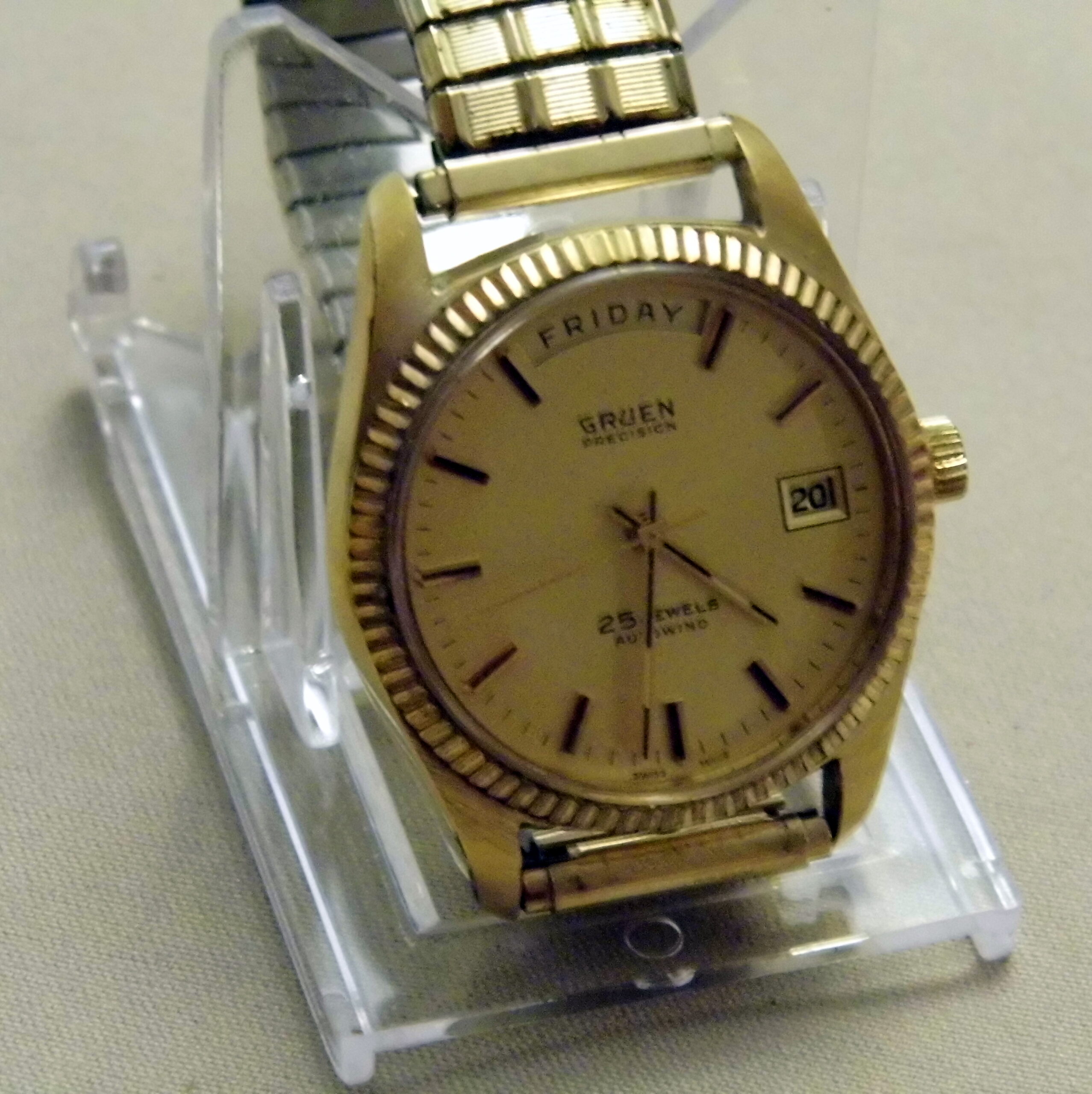
Watch collecting feels intimidating from the outside — the prices, the jargon, the reference numbers — yet the path in is gentler than most people expect. The first principle is honest: buy watches you actually want to wear. Everything else flows from that.
Mechanical, automatic, or quartz?
A mechanical watch is wound by hand and runs on a coiled mainspring. An automatic is mechanical but winds itself from wrist motion. A quartz watch runs from a tiny battery and is almost always more accurate. Collectors generally chase mechanicals for the engineering and craft, but a high-quality quartz can be a brilliant first watch.
Five reference numbers worth learning
Reference numbers like 16610, 5711/1A, 311.30.42, BB58, and 6139 are how the watch world speaks. Each refers to a specific model with a specific dial, case, and movement combination. Reading reference numbers fluently is the single highest-leverage skill for a beginner. Spend an evening with the major catalogues and you will start to see watches the way collectors do.
Box, papers and provenance
“Full set” means the original box, warranty card, and any tools or extra links the watch shipped with. Full sets command meaningful premiums on the secondary market — sometimes 10–20% on common references and far more on rare ones. Always ask sellers for original purchase paperwork.
Service intervals
Mechanical watches need to be serviced roughly every five to seven years. A service is a full clean, lubrication, and gasket replacement. Skipping services to save money is the most common mistake new collectors make; a watch that has run dry is much more expensive to repair than one serviced on schedule.
Where to buy
Authorised dealers offer the most certainty but the least value. Reputable secondary specialists and well-curated marketplaces sit in the middle. Auction houses sit at the far end of the spectrum — best prices on truly rare pieces, but only safe for buyers who already know what they are looking at.
Buy slowly
The most experienced collectors all say the same thing: the best watch you ever buy is the second one. Your tastes will move. Patience saves more money than any haggling skill.
Frequently Asked Questions
Is this watches guide suitable for beginners?
Yes — this guide is written to be accessible to new collectors while remaining useful for intermediate enthusiasts. We layer foundational concepts with practical examples, expected price ranges, and authentication checkpoints so you can read once and reference repeatedly. If you are completely new, we recommend reading our beginner’s roadmap (/start-here/) alongside this material.
How current is the information in this watches guide?
This guide reflects 2026 market conditions, grading standards, and authentication best practices. We periodically refresh content as auction records, grading-service criteria, and counterfeit techniques evolve. The guide’s last-updated timestamp shown by your browser corresponds to our most recent factual review.
What’s the most common mistake collectors make in watches?
Buying before learning. The hobby rewards patience: collectors who spend the first 60-90 days reading, attending shows, watching auction results, and asking questions in established communities consistently outperform those who buy aggressively from day one. Education compounds; impulse purchases rarely do.
Where can I get items in watches authenticated?
For most categories, established third-party authenticators include PSA, BGS, CGC, and SGC for cards; PCGS and NGC for coins; BBCE for sealed Pokémon and sports wax; AFA for toys; and recognized industry experts or auction-house specialists for watches, autographs, and fine collectibles. Independent verification typically costs $20-$200 and is well worth it for any item over $500. See our /authentication-hub/ for category-specific recommendations.
How do I sell watches for the best price?
Match the venue to the value. Items under $100: eBay or Facebook collector groups. Items $100-$1,000: eBay with strong photography and detailed descriptions, or category-specific platforms (StockX, Discogs, Catawiki). Items over $1,000: established auction houses (Heritage, Goldin, Christie’s, Phillips) or vetted dealer consignment. Avoid pawn shops (typical offers: 20-40% of fair value) and unverified buyers offering instant cash.