Iranian Qajar Toman of Naser al-Din Shah (1848–1896)
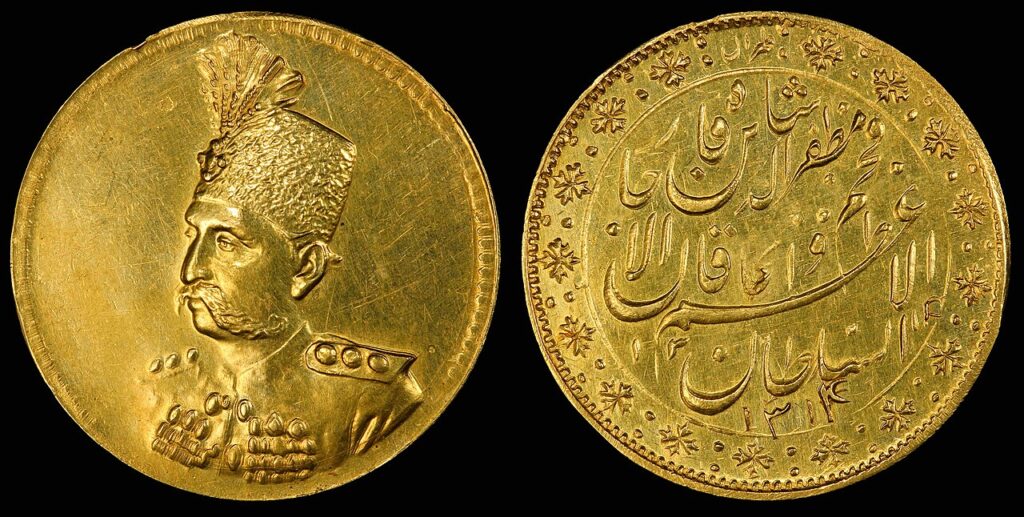
A Qajar toman Persian (Iranian) gold coinage of the Qajar dynasty is a deep, well-documented category that bridges Islamic numismatics, Middle Eastern history, and 19th-century European-style mint technology.
Argentine “Evita” Presidential Medal (1949–1952)
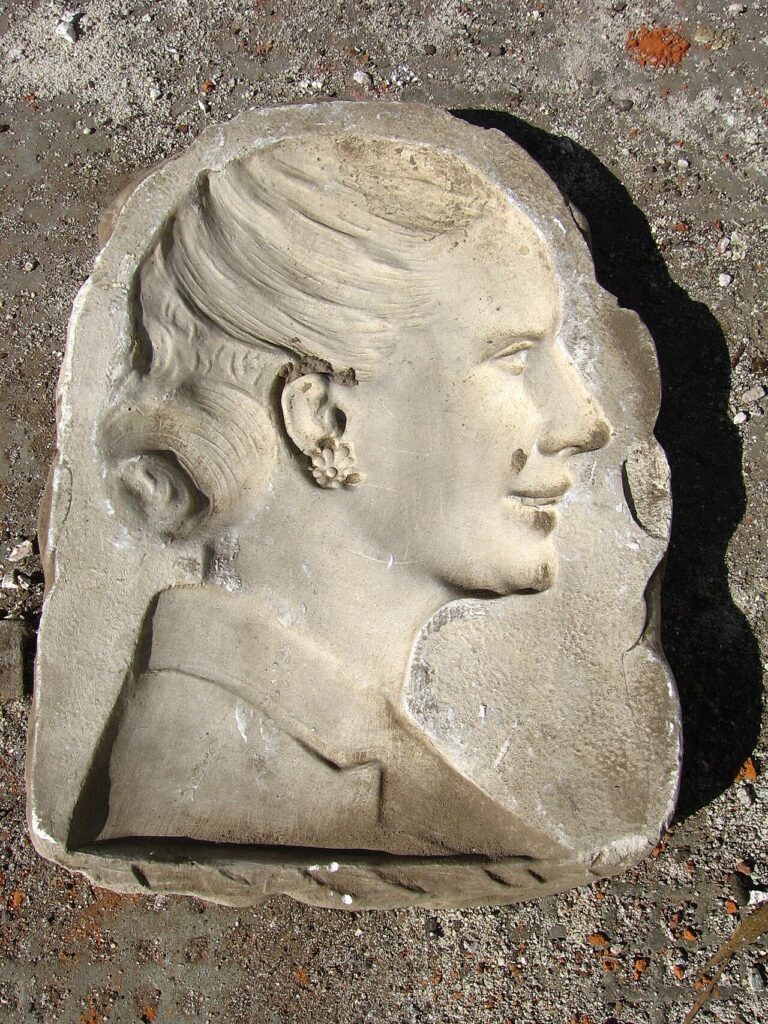
A medal of the Perón era Latin American 20th-century political memorabilia is one of the strongest-growing collecting categories outside North America and Europe. Items associated with Eva Perón (“Evita”, 1919–1952) lead the category.
Māori Hei-Tiki Pendant (Pre-1900, with Provenance)
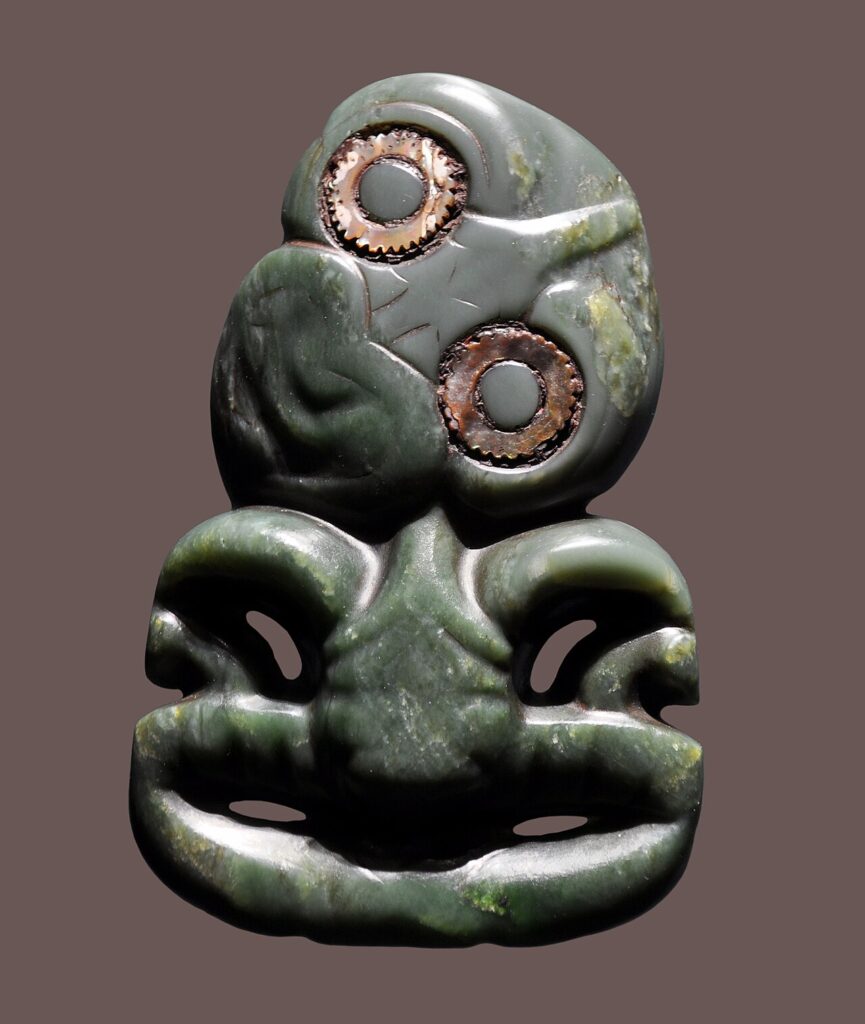
A pounamu hei-tiki The hei-tiki is a Māori ancestral pendant carved from pounamu (New Zealand greenstone). It is the most iconic object in Pacific indigenous-art collecting — and the most ethically sensitive.
Chinese Tang Dynasty “Kai Yuan Tong Bao” Coin (621–907 CE)
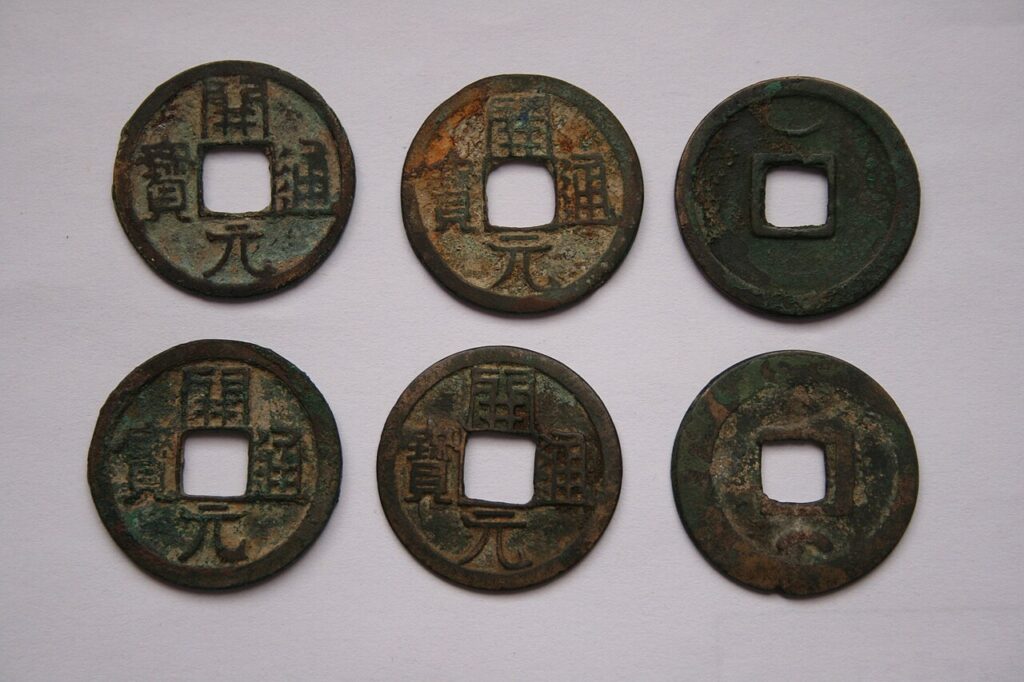
Kai Yuan Tong Bao The most influential coin in East Asian numismatic history. Kai Yuan Tong Bao established the size, weight, and form-language that Chinese, Japanese, Korean, and Vietnamese coinage followed for the next thirteen centuries.…
Cape of Good Hope “Hope on Anchor” Postal Stationery (1880)

Cape postal stationery A specialty within Cape philately: postal stationery (pre-printed envelopes, postcards, and wrappers) bearing the iconic “Hope on Anchor” allegorical design.
Ottoman Firman with Sultan’s Tughra (17th–19th century)
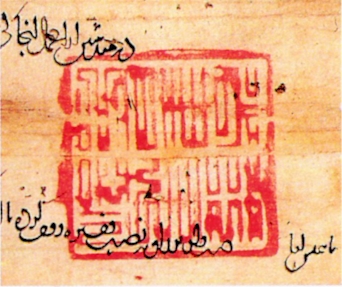
An Ottoman tughra An Ottoman firman is an imperial decree issued by the Sultan, headed by a calligraphic tughra — a stylised signature unique to each ruler.
Soviet Constructivist Poster — Rodchenko (1924–1925)
Original-period Soviet Constructivist posters by Alexander Rodchenko (1891–1956) and his contemporaries form one of the most influential and most-faked corners of 20th-century graphic-design collecting.
Mauritius “Post Office” Stamps (1847)
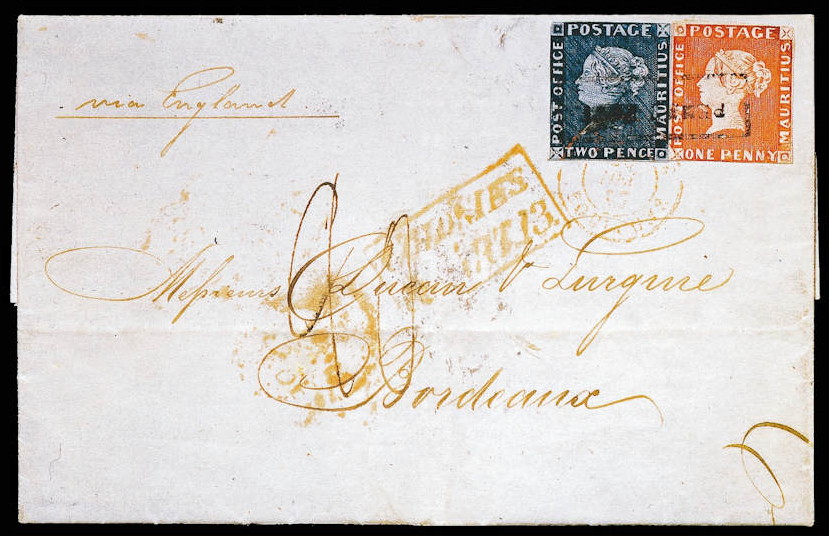
Mauritius Post Office stamp The first stamps issued in the British Empire outside Britain itself, and one of the most legendary errors in philately. Total surviving population: 27 examples across both denominations.
Australian 1813 Holey Dollar and Dump
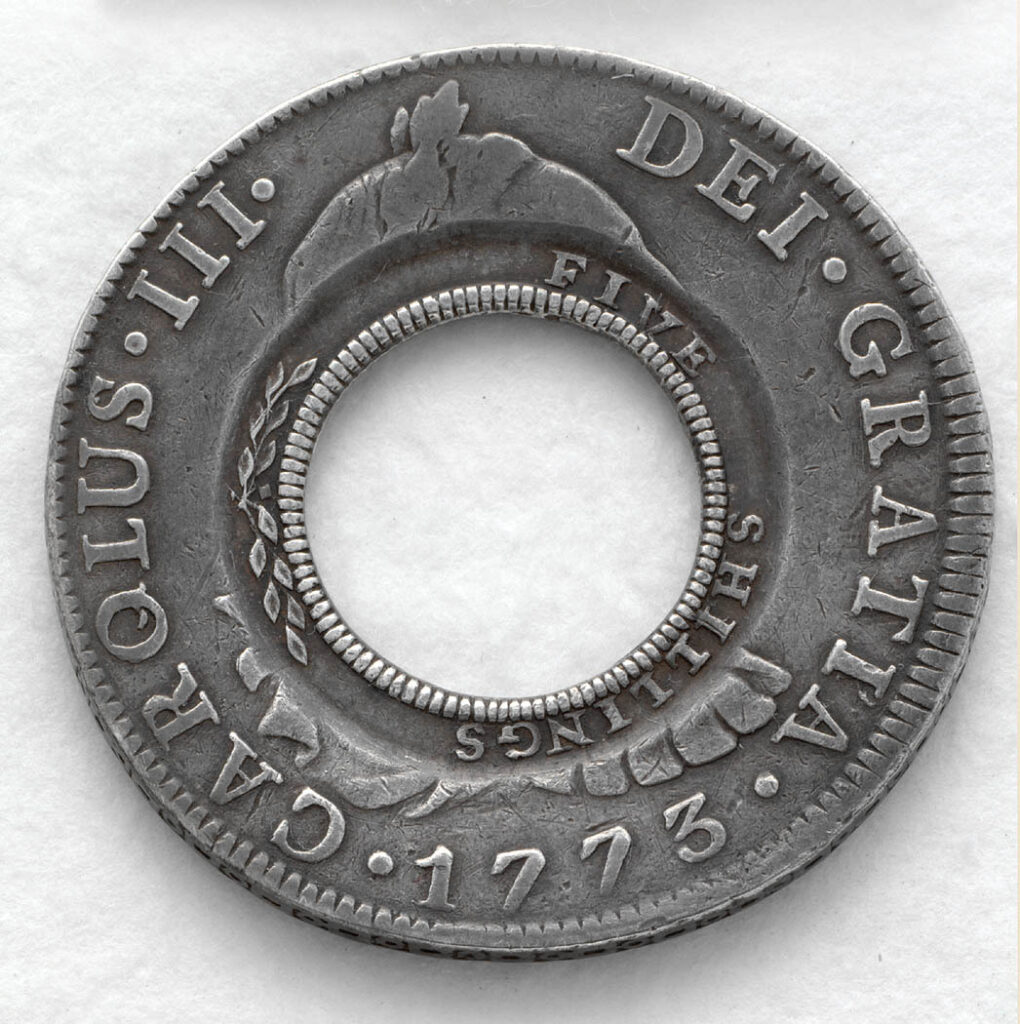
The Holey Dollar Australia’s first official currency: a Spanish 8 Reales with the centre punched out, creating two coins — the ring (Holey Dollar, five shillings) and the plug (Dump, fifteen pence).
Spanish 8 Reales Pillar Dollar (Mexico City Mint, 1730s)
A Spanish Pillar Dollar The first true world coin. The Spanish 8 Reales Pillar Dollar — minted in the New World colonies and circulated globally for two centuries — anchors the early-modern silver-coin category and is foundational to Latin …