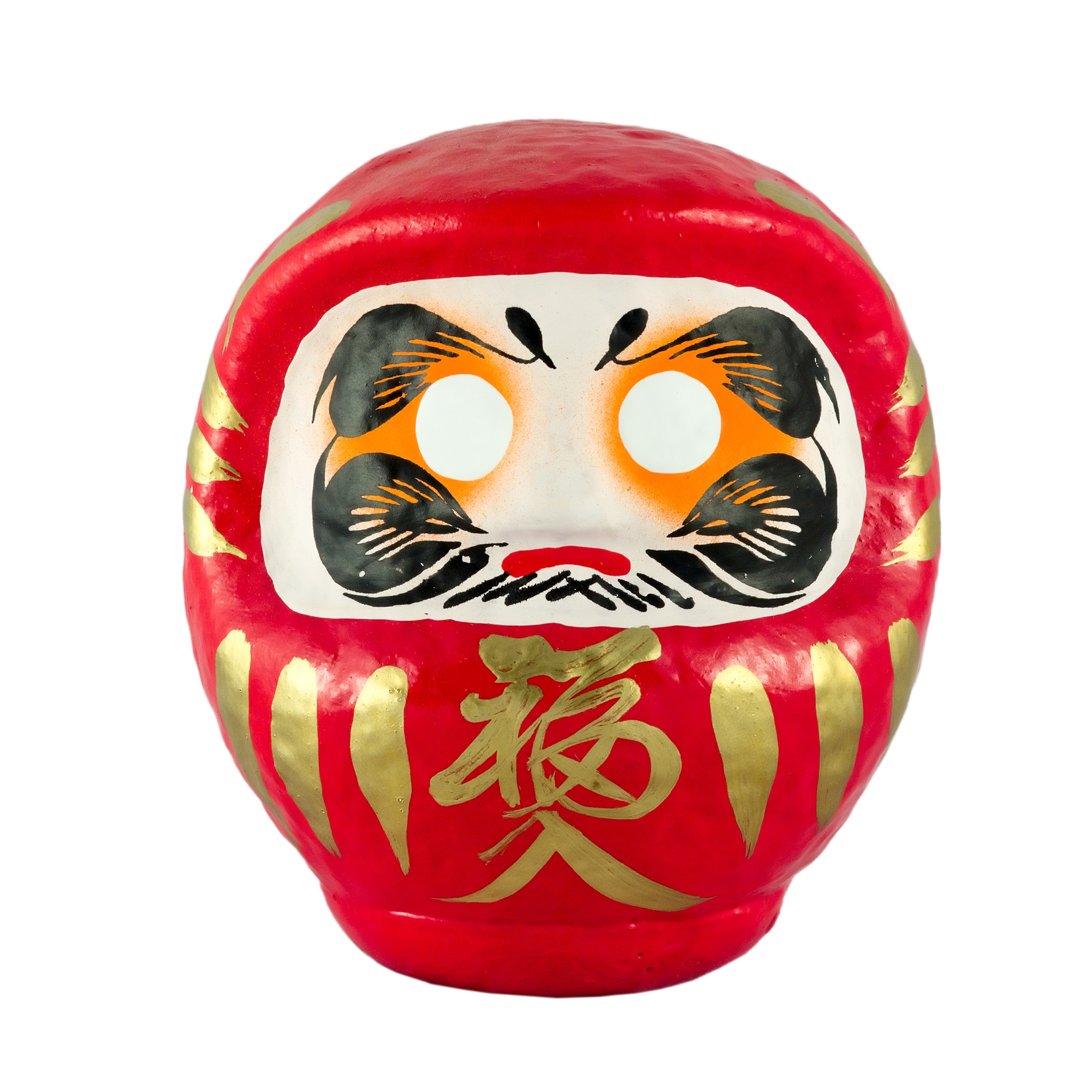
The Bearbrick 1000% Karimoku Daruma is a collaboration between Japanese toy maker Medicom Toy and the prestigious Karimoku furniture company, hand-turned and hand-finished from solid Japanese hardwood. Issued in tiny numbers and sold by lottery, mint-boxed examples regularly trade for $20,000–$45,000 on the secondary market.
Why this Bearbrick matters
Medicom’s Bearbrick line, launched in 2001, became one of the defining art-toy platforms of the 21st century. Most Bearbricks are mass-produced ABS plastic, but the Karimoku editions are different: each is hand-lathed from a single block of cypress, oak or zelkova by Karimoku’s master craftsmen, then coated in traditional urushi lacquer. The Daruma version pays tribute to the round, red good-luck dolls of Japanese Buddhist tradition. The combination of contemporary toy culture and centuries-old woodworking is exactly the kind of cross-cultural object that drives modern collector value.
How to spot a genuine example
Authentic Karimoku Bearbricks ship in a wooden presentation box with a numbered authenticity card signed by both Medicom and Karimoku. The figure itself bears subtle tool marks from hand-turning, period-correct urushi lacquer (which has a characteristic depth no spray finish can imitate), and inset metal joints at the shoulders and waist. Counterfeits are increasingly common — they typically use cast resin painted to imitate wood grain and weigh significantly less than the 4–5 kg of an original.
Condition and value
Hand-finished wood is delicate. Even a small dent, scuff or surface mark on the lacquer can cut secondary value by 30% or more. Original packaging, certificate, and the decorative inner wrapping should all be preserved — sealed-in-box examples command a substantial premium over loose figures. Verified prices on Yahoo! Auctions Japan, StockX and specialist auctioneers like Mandarake have ranged from $18,000 to $48,000 over the past three years.
Where to see one
Medicom Toy’s Tokyo flagship and the Karimoku Commons gallery in Tokyo periodically display archival examples. International toy art exhibitions — DesignerCon (Anaheim), ToyCon UK (London), and Beyond the Streets — often feature Karimoku Bearbricks in curated showcases.
For families and beginners
Standard 100% (7 cm) and 400% (28 cm) plastic Bearbricks are widely available for $20–$200 and make wonderful first collectibles. Children love designing their own Bearbrick paint schemes; Medicom even sells blank “DIY” Bearbricks for under $30. The history of Daruma dolls themselves — students paint in one eye when they make a wish and the other when it’s fulfilled — turns the figure into a meaningful family keepsake well before any thought of investment.
Care and storage
Display away from direct sunlight (urushi lacquer fades over decades) and at moderate humidity — extremely dry environments can cause hairline cracking in solid wood. Dust with a soft microfibre cloth only; never use commercial polishes or waxes, which interact unpredictably with traditional Japanese lacquer.
Read next
Explore the broader Bearbrick world with our guide to Medicom collaborations, or step into Japanese woodworking with the history of Karimoku and George Nakashima.
About This collectible
The Bearbrick 1000% Karimoku Daruma is a notable entry in the collectible category. Whether you are a seasoned collector or evaluating your first piece, understanding provenance, condition, and market context is essential for confident decisions. This guide summarizes what makes this item collectible and how to evaluate examples in the market.
Identification & Authentication
Authenticating a Bearbrick 1000% Karimoku Daruma requires attention to period-correct materials, manufacturing marks, signatures, and chain of custody documentation. Where third-party authentication exists (PSA, JSA, Beckett, SGC, PCGS, NGC, or category-specific authenticators), graded examples carry significant premium over raw pieces. Consult a recognized authenticator before high-value purchases.
Valuation & Market Pricing
Values for the Bearbrick 1000% Karimoku Daruma vary by condition, provenance, completeness, and demand. Track recent sold prices on major venues including Heritage Auctions, Goldin, Christie’s, Sotheby’s, and eBay completed listings to benchmark fair market value. Realized sales reflect true value; asking prices do not.
Condition & Grading
Condition is the largest variable affecting value. Use the grading scale appropriate to the category and document defects honestly. For graded items, verify certification numbers on the grader’s website. For raw items, photograph all surfaces under neutral lighting and disclose any restoration or imperfections.
Where to Buy & Sell
Reputable venues include major auction houses, established dealer networks, specialty shows, and vetted online marketplaces. Avoid private cash transactions with unknown parties for high-value pieces. Use buyer protection or escrow when transacting at scale.
Frequently Asked Questions
How do I know if my Bearbrick 1000% Karimoku Daruma is authentic?
Authenticity is best confirmed by a recognized third-party authenticator. Visual inspection alone is rarely sufficient for high-value pieces.
What is a Bearbrick 1000% Karimoku Daruma worth?
Value depends on condition, provenance, and completeness. Check recent sold prices on major auction venues for comparable examples.
Where should I sell my Bearbrick 1000% Karimoku Daruma?
For high-value pieces, established auction houses with category expertise typically deliver the best results. For mid-market items, vetted online marketplaces or dealer networks balance reach and fees.
Does grading add value?
For most categories, third-party grading adds meaningful value to top-condition examples. For lower-grade pieces, the grading fee can exceed the value uplift.
🔎 Buying or Selling This Item?
Affiliate links will appear here once configured in Settings → General.