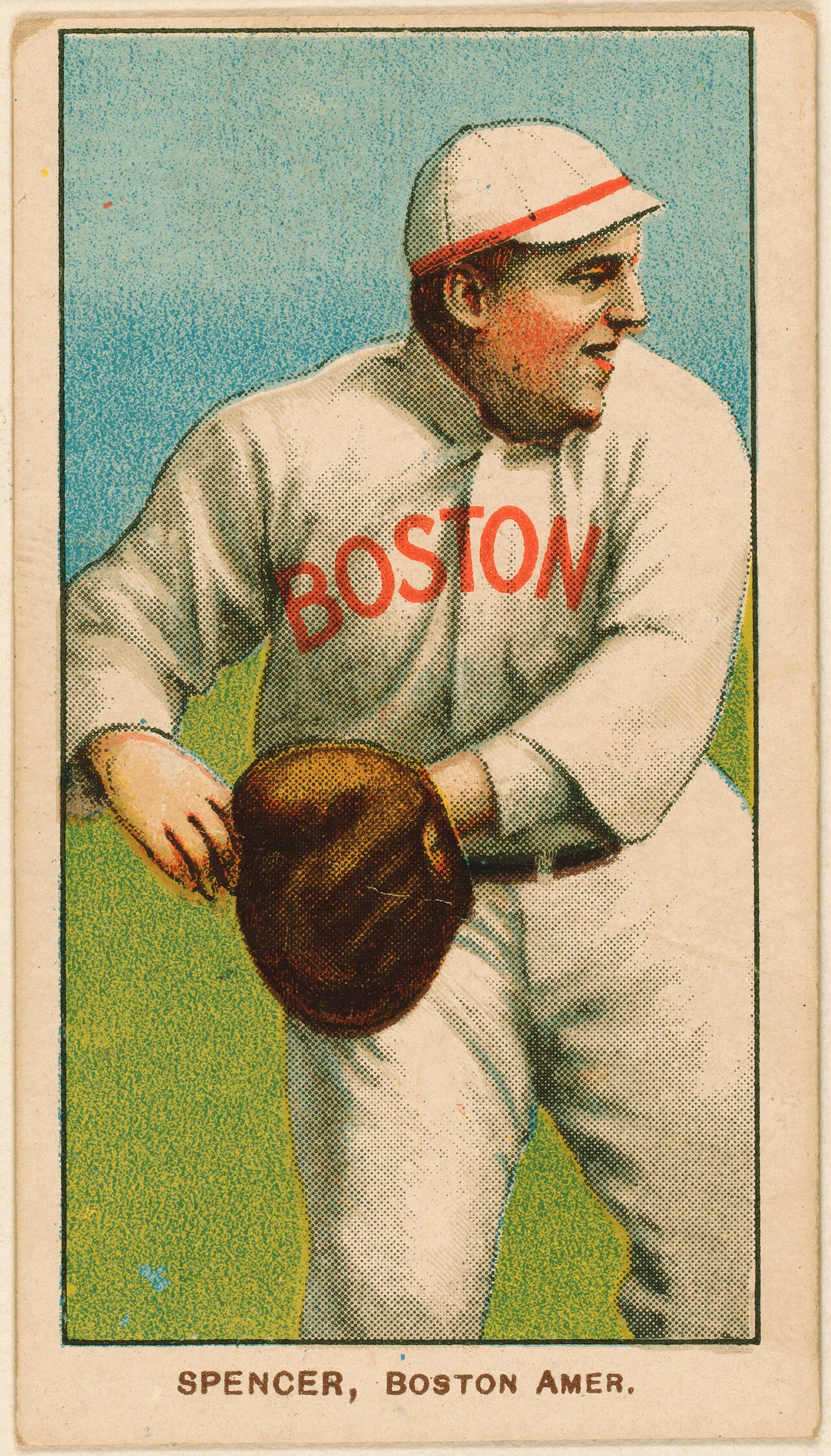
Vintage baseball cards are the highest-value targets in collectibles counterfeiting. Sophisticated reprints and trimmed/altered originals account for 5-15% of cards listed on uncontrolled marketplaces. Here is the full authentication process.
Test 1: Paper stock
1909-1980s baseball cards use specific paper stocks that differ between sets. T206 cards (1909-1911) use a specific cardstock; modern reprints use modern bleached paper that fluoresces brightly under UV. A black-light test reveals most reprints instantly.
Test 2: Ink penetration
Original cards have shallow ink penetration; modern offset reprints show ink that bleeds through more deeply. Hold the card to strong light and look at the back side for any “ghost” image — this can indicate a reprint.
Test 3: Image dot pattern
Use a 10× loupe to examine the printed image. Original cards have specific halftone dot patterns; modern reprints use different dot densities and rosette patterns. Comparing to a known genuine card from the same set reveals the difference.
Test 4: Edge and corner sharpness
Originals show natural cutting variations from period industrial paper-cutters. Reprints have factory-sharp edges or hand-cut variations from amateur reproduction.
Test 5: Trimming detection
Trimmed cards (cut to make corners look better) have specific edge characteristics: too-sharp corners, slight offset of printed image relative to edges, dimensions slightly smaller than catalogued. A digital caliper measures dimensions precisely.
Test 6: Pressing detection
Pressed cards have unnaturally flat surfaces. Sub-grades by BGS reveal pressing through anomalous “centring + corners + edges” combinations (too-perfect centring with mediocre surface).
Test 7: Bleach and color enhancement
Some cards have been bleached to make backs whiter or had color enhancement on faded fronts. UV light shows excess fluorescence; close inspection reveals unnatural color saturation.
Test 8: PSA, BGS, SGC, or CGC encapsulation
The major grading services authenticate every submission. They reject and clearly mark counterfeits. A genuine PSA-graded card is itself authenticated.
Step 9: Verify on PSA’s database
PSA’s certification database (psacard.com/cert) verifies any PSA serial number. Type the serial; the database returns full grade, year, and image confirmation. This catches counterfeit slabs.
FAQ
Are reprints clearly marked?
Modern Topps Heritage and similar “tribute” sets are clearly marked. But Asian-printed unmarked reprints of vintage cards (T206 etc.) circulate without disclosure.
Why do altered cards exist?
To inflate grades. A trimmed PSA 8 card might have been a PSA 5 — a 5-10× value increase if the alteration goes undetected.
You Might Also Like
Frequently Asked Questions
Is this sports cards guide suitable for beginners?
Yes — this guide is written to be accessible to new collectors while remaining useful for intermediate enthusiasts. We layer foundational concepts with practical examples, expected price ranges, and authentication checkpoints so you can read once and reference repeatedly. If you are completely new, we recommend reading our beginner’s roadmap (/start-here/) alongside this material.
How current is the information in this sports cards guide?
This guide reflects 2026 market conditions, grading standards, and authentication best practices. We periodically refresh content as auction records, grading-service criteria, and counterfeit techniques evolve. The guide’s last-updated timestamp shown by your browser corresponds to our most recent factual review.
What’s the most common mistake collectors make in sports cards?
Buying before learning. The hobby rewards patience: collectors who spend the first 60-90 days reading, attending shows, watching auction results, and asking questions in established communities consistently outperform those who buy aggressively from day one. Education compounds; impulse purchases rarely do.
Where can I get items in sports cards authenticated?
For most categories, established third-party authenticators include PSA, BGS, CGC, and SGC for cards; PCGS and NGC for coins; BBCE for sealed Pokémon and sports wax; AFA for toys; and recognized industry experts or auction-house specialists for watches, autographs, and fine collectibles. Independent verification typically costs $20-$200 and is well worth it for any item over $500. See our /authentication-hub/ for category-specific recommendations.
How do I sell sports cards for the best price?
Match the venue to the value. Items under $100: eBay or Facebook collector groups. Items $100-$1,000: eBay with strong photography and detailed descriptions, or category-specific platforms (StockX, Discogs, Catawiki). Items over $1,000: established auction houses (Heritage, Goldin, Christie’s, Phillips) or vetted dealer consignment. Avoid pawn shops (typical offers: 20-40% of fair value) and unverified buyers offering instant cash.