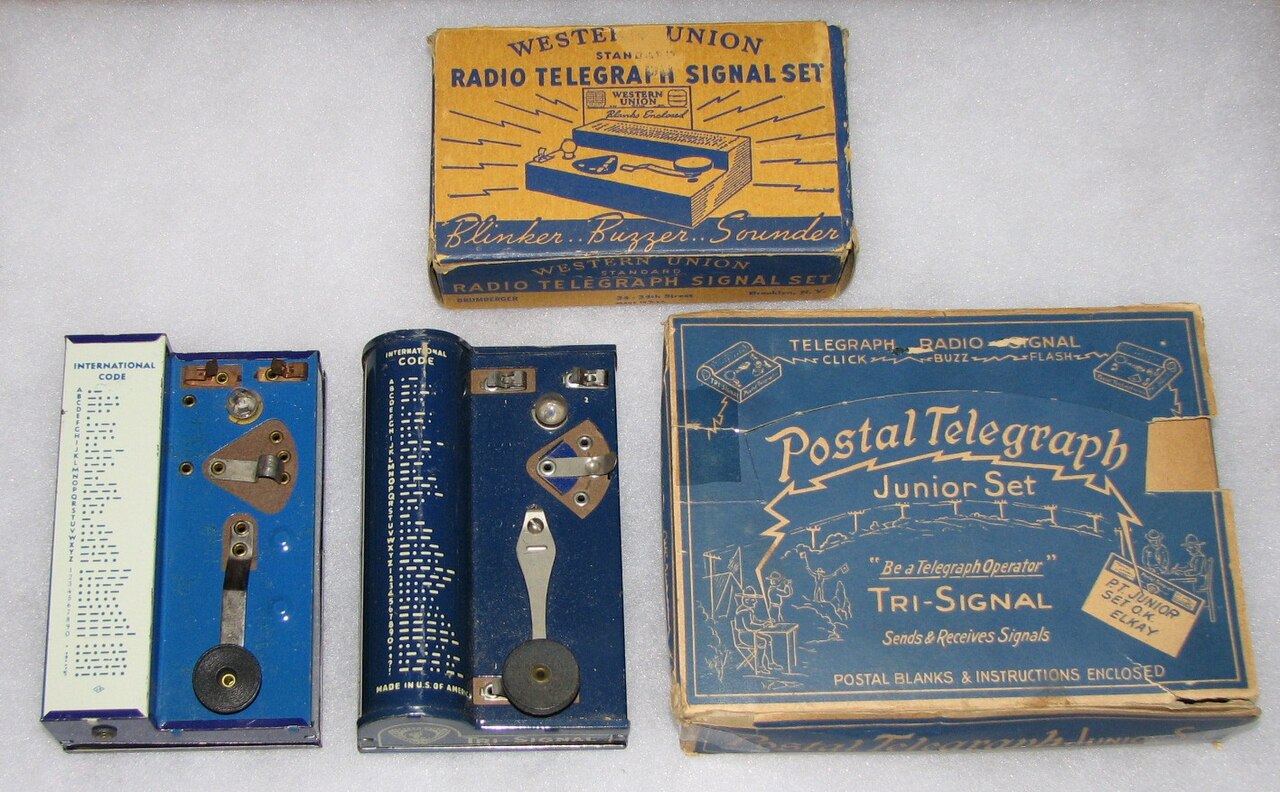
Vintage toys range wildly in value depending on condition, packaging, and rarity. Here is the systematic valuation process.
Step 1: Identify the maker and year
Major vintage toy makers: Marx, Lionel, Schoenhut, Steiff, Ideal, Mattel, Hasbro, Kenner, Tonka, Tomy, Bandai, Nintendo. The base of the toy or original packaging usually identifies the maker. Patent numbers (US patent or design patent) date the toy precisely.
Step 2: Identify condition tier
- MISB / NRFB: Mint in Sealed Box / Never Removed From Box — top tier
- MIB: Mint in Box, opened — second tier
- MOC: Mint on Card (action figures) — top tier for figures
- Loose mint: no packaging, perfect condition — third tier
- Played with: visible wear — fourth tier
- Damaged: missing parts, broken — minimal value
Step 3: Original packaging premium
Original packaging adds 100-1,000% to most vintage toy values. A loose 1985 Optimus Prime is $150-300; in original sealed box (MISB) it’s $15,000-30,000. Card-back condition matters for action figures.
Step 4: Compare to recent sales
Hake’s Auctions, Heritage, AFA-graded sales, and eBay sold listings provide the most accurate price discovery. AFA grading services certify mint-on-card and sealed-box examples.
Step 5: Decide where to sell
Common ($5-50): eBay, garage sales, Facebook Marketplace. Mid ($50-500): eBay, specialist toy collectors. High ($500-50,000): Hake’s, Heritage, Auction Team Breker (Germany). Above $50K: Hake’s marquee sales.
Common high-value categories
- Sealed 1980s Star Wars action figures (especially first 12 Kenner figures)
- Vintage Marx tin toys (1930s-50s)
- Steiff bears (especially mourning bears, exhibition pieces)
- Lionel pre-WWII trains
- Hot Wheels prototypes
- Sealed first-print Transformers G1 (1985)
- Mint-in-box vintage robot toys (Mr. Atomic, etc.)
FAQ
Are sealed toys always more valuable?
Almost always. The MISB premium for vintage toys typically runs 5-50× over loose. Don’t open original boxes if planning to sell.
What’s a “blank” or “fab” Star Wars figure?
Production variants. Blanks have non-standard label printing; fabs have unusual fabric or color variants. Both are highly collectible at $300-5,000+.
You Might Also Like
Frequently Asked Questions
Is this vintage toys guide suitable for beginners?
Yes — this guide is written to be accessible to new collectors while remaining useful for intermediate enthusiasts. We layer foundational concepts with practical examples, expected price ranges, and authentication checkpoints so you can read once and reference repeatedly. If you are completely new, we recommend reading our beginner’s roadmap (/start-here/) alongside this material.
How current is the information in this vintage toys guide?
This guide reflects 2026 market conditions, grading standards, and authentication best practices. We periodically refresh content as auction records, grading-service criteria, and counterfeit techniques evolve. The guide’s last-updated timestamp shown by your browser corresponds to our most recent factual review.
What’s the most common mistake collectors make in vintage toys?
Buying before learning. The hobby rewards patience: collectors who spend the first 60-90 days reading, attending shows, watching auction results, and asking questions in established communities consistently outperform those who buy aggressively from day one. Education compounds; impulse purchases rarely do.
Where can I get items in vintage toys authenticated?
For most categories, established third-party authenticators include PSA, BGS, CGC, and SGC for cards; PCGS and NGC for coins; BBCE for sealed Pokémon and sports wax; AFA for toys; and recognized industry experts or auction-house specialists for watches, autographs, and fine collectibles. Independent verification typically costs $20-$200 and is well worth it for any item over $500. See our /authentication-hub/ for category-specific recommendations.
How do I sell vintage toys for the best price?
Match the venue to the value. Items under $100: eBay or Facebook collector groups. Items $100-$1,000: eBay with strong photography and detailed descriptions, or category-specific platforms (StockX, Discogs, Catawiki). Items over $1,000: established auction houses (Heritage, Goldin, Christie’s, Phillips) or vetted dealer consignment. Avoid pawn shops (typical offers: 20-40% of fair value) and unverified buyers offering instant cash.