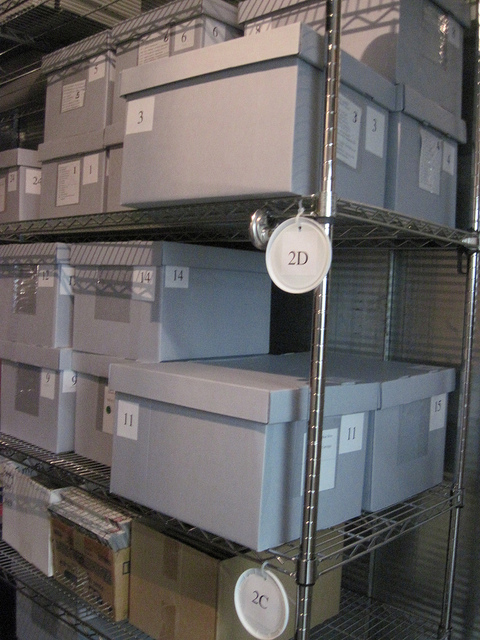
Improper storage destroys more collectible value than fire, theft, and forgery combined. This guide covers every major category and the specific storage requirements for each.
The four storage enemies
- Humidity: above 60% RH causes foxing, mould, and warping. Below 30% causes brittle paper.
- Light: UV fades pigments irreversibly within months in direct sun.
- Temperature swings: cycling between 60°F and 90°F accelerates paper, ink, and plastic degradation.
- Air pollutants: PVC outgassing, sulphur from rubber bands, acidic paper migration.
The four storage rules
- Climate-controlled space (interior closet, never attic or basement).
- 45-55% relative humidity (use a hygrometer; supplement with desiccants).
- 65-72°F (18-22°C), stable.
- Archival materials only: PVC-free, acid-free, lignin-free.
Trading cards & sports cards
Penny sleeves + top-loaders for raw cards under $50; one-touch magnetic cases for raw $50-500; CGC, PSA, BGS, or SGC slabs for graded $100+. Long-term storage in cardboard “shoeboxes” or comic-style storage boxes. Keep upright. Inside the slab, the card is protected; outside the slab, sleeve and toploader.
Coins
PVC-free Mylar flips for raw coins. Inert plastic capsules (“Air-Tite”, “Saflip”) for collection-grade. NGC or PCGS slab for graded. Avoid handling — natural skin oils etch the metal. Use cotton gloves. Do not clean. Toning develops naturally over decades and is desirable; cleaning destroys value.
Comics
Mylar bags + acid-free backing boards for storage. Long boxes (cardboard, archival-quality) for bulk. Vertical storage. Climate control 50-60% RH; comics yellow rapidly above this. CGC slabs for graded $100+. Never read or display ungraded high-value books.
Stamps
Hawid or Showgard mounts (clear archival pockets) for individual stamps; archival album pages with archival sleeves for collections. Low humidity (45-50% RH) — stamps are extremely vulnerable to foxing. Dark storage; sunlight fades inks within weeks. Never moisten gum to “fix” partial gum.
Toys & action figures
Original packaging matters enormously. MISB (mint-in-sealed-box) and MOC (mint-on-card) carry 5-50× premiums over loose toys. Acrylic display cases protect from dust without UV-filtering glass. Climate control crucial for plastic — old PVC degrades and outgasses.
Vinyl records
Inner sleeves: anti-static archival paper or polyethylene (avoid PVC). Outer sleeves: polyethylene or polypropylene. Vertical storage. 45-55% RH. Avoid stacking. Never store records flat for extended periods (causes warping). Dust regularly with a carbon-fibre brush.
Watches
Dust-free environment, ideally in a watch winder for automatic movements you want kept running. Service every 4-7 years for any vintage watch. Original boxes and papers double or triple value. Specific to high-end vintage: low-humidity climate; rust on internals destroys movements permanently.
Anime cels & art
Conservation framing with UV-filtering acrylic (lighter than glass; doesn’t shatter onto fragile media). Acid-free rag mat. Climate-controlled at 45-55% RH. Acrylic paint on cels can flake; specialist conservators handle restoration.
Documents & ephemera
Archival sleeves (polyester or polypropylene), acid-free folders, climate-controlled storage. Never laminate. Never use tape (yellowing, tearing). Display only with conservation framing.
Storage cost vs collection value
Budget 1-3% of collection value annually for storage and conservation supplies. A $10,000 collection deserves $100-300/year in supplies. Climate-controlled storage units cost $50-200/month and are appropriate for $50,000+ collections.
FAQ
Can I store collectibles in the attic?
No. Attics swing 30-100°F seasonally. Use interior closets only.
Are PVC sleeves safe?
No. PVC outgasses chlorides over time, damaging cards, coins, and stamps. Use polyethylene, polypropylene, or polyester sleeves only.
How often should I check storage conditions?
Quarterly. Check humidity, look for any moisture or pest evidence, replace desiccants every 6-12 months.
You Might Also Like
Frequently Asked Questions
Is this collectibles guide suitable for beginners?
Yes — this guide is written to be accessible to new collectors while remaining useful for intermediate enthusiasts. We layer foundational concepts with practical examples, expected price ranges, and authentication checkpoints so you can read once and reference repeatedly. If you are completely new, we recommend reading our beginner’s roadmap (/start-here/) alongside this material.
How current is the information in this collectibles guide?
This guide reflects 2026 market conditions, grading standards, and authentication best practices. We periodically refresh content as auction records, grading-service criteria, and counterfeit techniques evolve. The guide’s last-updated timestamp shown by your browser corresponds to our most recent factual review.
What’s the most common mistake collectors make in collectibles?
Buying before learning. The hobby rewards patience: collectors who spend the first 60-90 days reading, attending shows, watching auction results, and asking questions in established communities consistently outperform those who buy aggressively from day one. Education compounds; impulse purchases rarely do.
Where can I get items in collectibles authenticated?
For most categories, established third-party authenticators include PSA, BGS, CGC, and SGC for cards; PCGS and NGC for coins; BBCE for sealed Pokémon and sports wax; AFA for toys; and recognized industry experts or auction-house specialists for watches, autographs, and fine collectibles. Independent verification typically costs $20-$200 and is well worth it for any item over $500. See our /authentication-hub/ for category-specific recommendations.
How do I sell collectibles for the best price?
Match the venue to the value. Items under $100: eBay or Facebook collector groups. Items $100-$1,000: eBay with strong photography and detailed descriptions, or category-specific platforms (StockX, Discogs, Catawiki). Items over $1,000: established auction houses (Heritage, Goldin, Christie’s, Phillips) or vetted dealer consignment. Avoid pawn shops (typical offers: 20-40% of fair value) and unverified buyers offering instant cash.