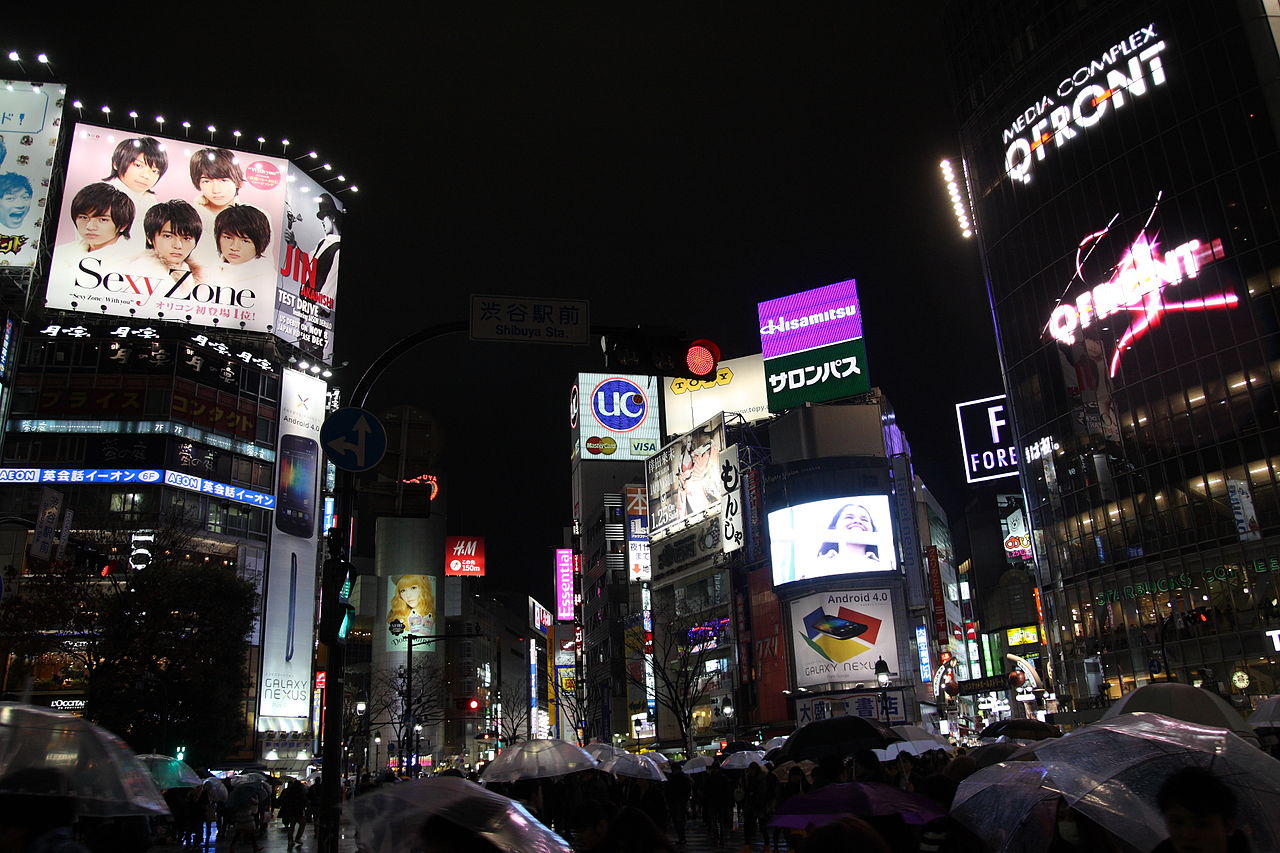
Asia-Pacific is now the largest single collecting region by spend. Japan drives trading-card prices, China dominates ceramics and classical art, Hong Kong is the global auction hub, and Australia/New Zealand have strong numismatic traditions of their own.
What Asia-Pacific collects
Trading cards have exploded. Japanese-language Pokémon (especially No.1 Trainer, Illustrator, and 1996-1999 Base Set), One Piece TCG sealed Japanese boxes, and Yu-Gi-Oh! OCG promos dominate. Sports cards have a smaller but rising following.
Numismatics span Chinese cash coins (Tang to Qing), sycee silver ingots, Japan’s koban gold, Edo-period mon, and modern commemoratives. Australian sovereigns and Holey Dollars, plus New Zealand crown-era silver, anchor Oceania.
Fine art and antiques include Chinese imperial ceramics, jade, classical paintings, ukiyo-e woodblock prints (Hokusai, Hiroshige), netsuke, samurai swords with NBTHK papers, and contemporary names like Yayoi Kusama, Takashi Murakami, Yoshitomo Nara, and Liu Ye.
Pop culture and design: vintage Famicom and PC-Engine games, sealed first-print manga, Studio Ghibli original cels, Bandai Soul of Chogokin, Macross/Gundam model kits, and original anime production materials.
Auction houses
Sotheby’s Hong Kong, Christie’s Hong Kong, Bonhams Hong Kong, Phillips Hong Kong, and Poly Auction (mainland China and Hong Kong) lead the high end. Mandarake, Yahoo Auctions Japan, and Mercari Japan handle the deepest pop-culture inventory. Heritage Auctions Hong Kong, PWCC, and Goldin pull in the trading-card top lots. Mossgreen and Leonard Joel handle Australian material.
Cultural property law
China and Japan both have strict export controls on classical antiquities. Japan’s “Important Cultural Property” designation can block export entirely. Imported items from China require careful provenance proof for anything over 100 years old. Buying through licensed auction houses with proper export documentation is the only safe path for serious antique purchases.
Authentication notes
Pokémon and TCG: PSA, BGS, and CGC grading are standard; Japanese cards favor PSA 10. Chinese ceramics: thermoluminescence testing and Sotheby’s/Christie’s catalogue history are gold-standard. Samurai swords: NBTHK Hozon, Tokubetsu Hozon, Juyo papers indicate authenticity tiers. Modern Japanese art (Murakami, Nara): foundation registration and gallery provenance.
Where to start
Modern Japanese-language Pokémon singles, Australian decimal coins, ukiyo-e Meiji-era reprints, and Bandai/Tamiya model kits provide affordable on-ramps. Build fluency before stepping into vintage Pokémon Base Set, imperial Chinese ceramics, or registered antiquities.
You Might Also Like
Frequently Asked Questions
Is this collectibles guide suitable for beginners?
Yes — this guide is written to be accessible to new collectors while remaining useful for intermediate enthusiasts. We layer foundational concepts with practical examples, expected price ranges, and authentication checkpoints so you can read once and reference repeatedly. If you are completely new, we recommend reading our beginner’s roadmap (/start-here/) alongside this material.
How current is the information in this collectibles guide?
This guide reflects 2026 market conditions, grading standards, and authentication best practices. We periodically refresh content as auction records, grading-service criteria, and counterfeit techniques evolve. The guide’s last-updated timestamp shown by your browser corresponds to our most recent factual review.
What’s the most common mistake collectors make in collectibles?
Buying before learning. The hobby rewards patience: collectors who spend the first 60-90 days reading, attending shows, watching auction results, and asking questions in established communities consistently outperform those who buy aggressively from day one. Education compounds; impulse purchases rarely do.
Where can I get items in collectibles authenticated?
For most categories, established third-party authenticators include PSA, BGS, CGC, and SGC for cards; PCGS and NGC for coins; BBCE for sealed Pokémon and sports wax; AFA for toys; and recognized industry experts or auction-house specialists for watches, autographs, and fine collectibles. Independent verification typically costs $20-$200 and is well worth it for any item over $500. See our /authentication-hub/ for category-specific recommendations.
How do I sell collectibles for the best price?
Match the venue to the value. Items under $100: eBay or Facebook collector groups. Items $100-$1,000: eBay with strong photography and detailed descriptions, or category-specific platforms (StockX, Discogs, Catawiki). Items over $1,000: established auction houses (Heritage, Goldin, Christie’s, Phillips) or vetted dealer consignment. Avoid pawn shops (typical offers: 20-40% of fair value) and unverified buyers offering instant cash.