Greek coinage produced some of the most beautiful and historically important coins ever struck. From archaic stamped silver to Hellenistic gold portraits of Alexander the Great, ancient Greek coins drive top results at every major numismatic auction. Here is our ranking of the most valuable categories collectors should know.
1. Pantikapaion Gold Stater (c. 350-300 BC)
The gold stater of Pantikapaion (modern Kerch, Crimea) showing a bearded satyr’s head and a griffin holding a spear is widely considered the most valuable Greek coin. A 2012 New York Sale realised $3.8 million. Only about 40 examples are known, all from a small group of grave finds and one major hoard. Top auction price: $3.8M (NYS 2012).
2. Athens Decadrachm (c. 460 BC)
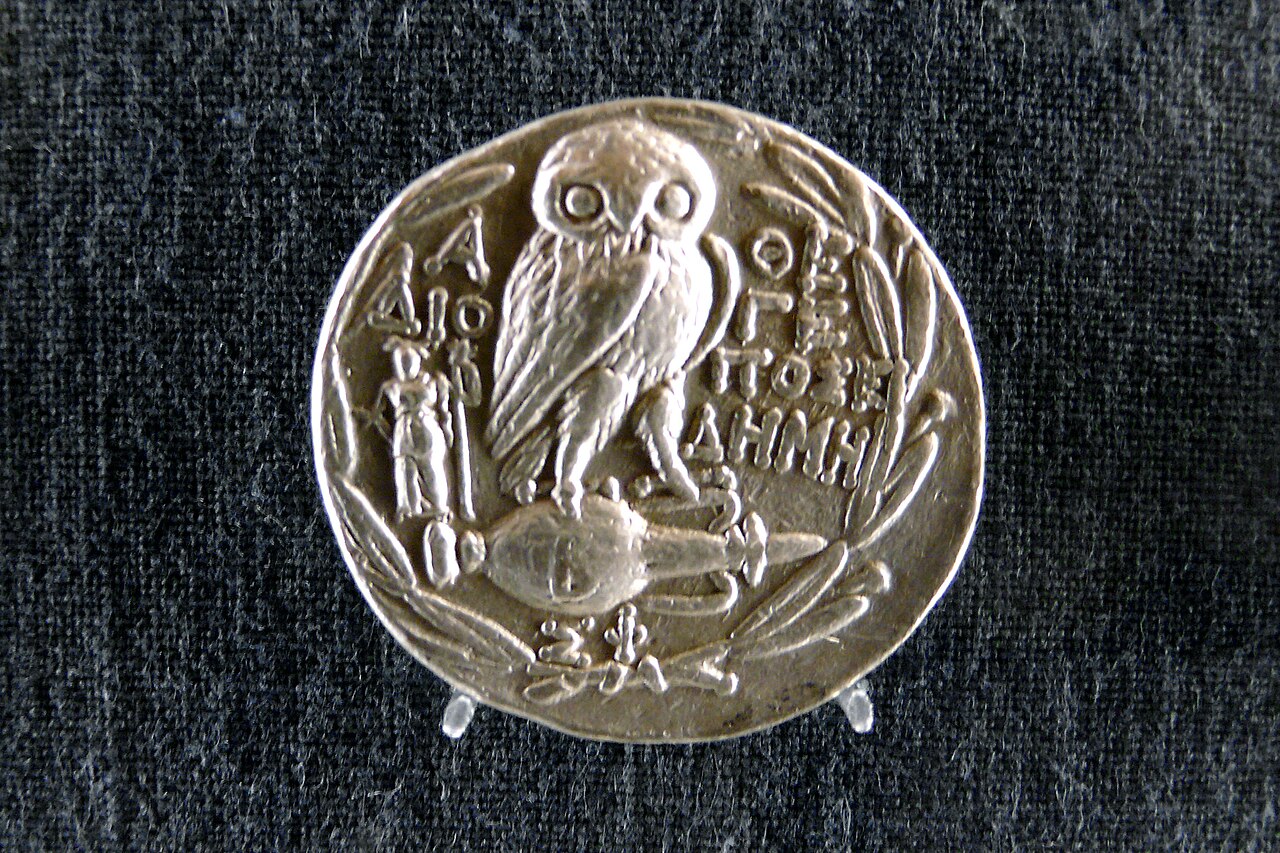
The 10-drachm pieces of Athens, struck around the time of the Persian Wars and probably to celebrate victory at Eurymedon. Only about 40 specimens survive. The famous Athena/owl design is identical to the standard tetradrachm but at four times the weight. Top auction prices: $1-2M.
3. Akragas Decadrachm (c. 411 BC)
The Sicilian Greek city of Akragas struck large 10-drachm silver pieces showing two eagles atop a hare. Estimated 9-12 examples extant. The Prospero Collection example sold at NYS in 2012 for $2.32M. Top auction price: $2.32M.
4. Naxos Tetradrachm (c. 461 BC)
Sicilian Naxos struck a celebrated tetradrachm showing the head of Dionysus on the obverse and a seated Silenus drinking wine on the reverse. The “Master of the Naxos Coin” produced one of the masterpieces of ancient art. Top auction prices: $700K-1.5M.
5. Alexander the Great Distater (c. 325-323 BC)
Distaters of Alexander the Great were struck during his lifetime in Macedonian gold. They show Athena’s head and a Nike holding a wreath. The Memphis (Egypt) and Babylon mint issues are most prized. Top auction prices: $400K-800K.
6. Syracuse Decadrachm by Kimon (c. 405 BC)
Master engraver Kimon signed his decadrachms of Syracuse showing a head of Arethusa with flowing hair surrounded by dolphins. With master engraver signatures and superb artistry, these are among the most beautiful Greek coins. Top auction prices: $400K-700K.
7. Aegina Stater (c. 700 BC)
The earliest Greek silver staters from Aegina, with their famous incuse turtle reverse, are foundational to Greek numismatics. Top archaic-grade examples reach the high six figures. Top auction prices: $200K-500K.
8. Lysimachos Tetradrachm (c. 297-281 BC)
Tetradrachms of Lysimachos, king of Thrace, show a deified Alexander the Great with the horns of Ammon. They are among the finest portraits in ancient coinage. Top auction prices: $50K-300K.
9. Athens Tetradrachm Old-Style (c. 510-480 BC)
The earliest Athenian tetradrachms with archaic-style Athena head and stylised owl. They predate the standard “owl” type and are far rarer. Top auction prices: $100K-300K.
10. Cyrene Gold Stater (c. 350 BC)
The North African Greek colony of Cyrene struck gold staters showing the head of Karneios and the silphium plant — a now-extinct medicinal herb that funded the city. Top auction prices: $100K-250K.
How to authenticate
NGC Ancients is the dominant grading service for Greek coins. Auction provenance through Numismatica Ars Classica, Roma Numismatics, Heritage, Stack’s Bowers, Classical Numismatic Group (CNG), or Künker is essential at the four-figure-and-up level. Modern forgeries are extensive, especially Bulgarian workshop products from the 1990s-2000s. Buy graded, buy from established firms, and demand documented chain of custody.
Where to buy
The top Greek coin sales happen at the New York Sale (each January), Numismatica Ars Classica’s Zurich auctions, Roma Numismatics in London, and CNG’s Triton sale. Künker in Osnabrück handles major European consignments. Greek collectors active in this space participate worldwide; Athens auction house Vergos handles regional consignments at slightly more accessible price points.
You Might Also Like