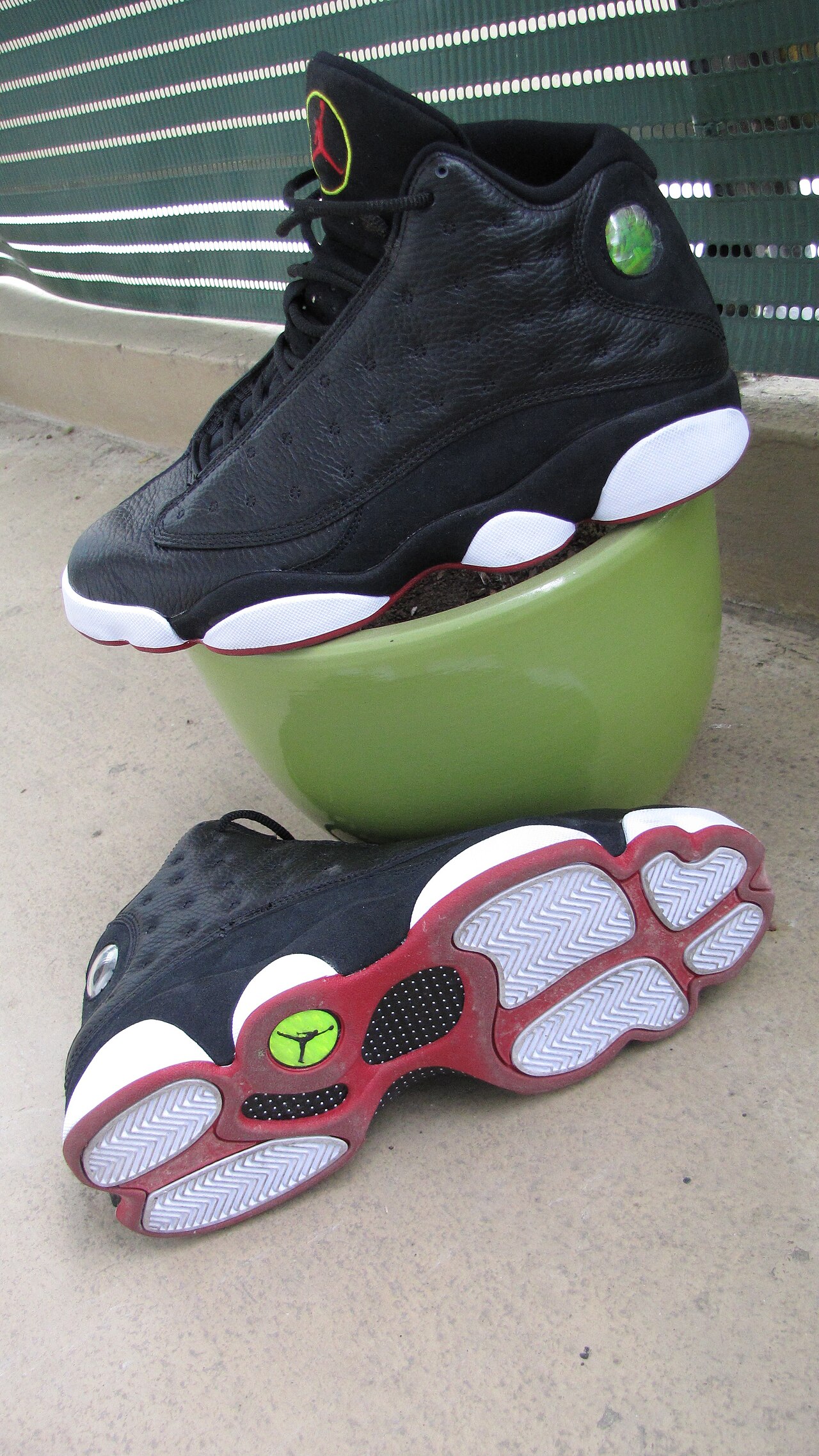
Wondering what your sneakers is worth in 2026? This guide walks you through the five questions every appraiser asks: maker, age, condition, provenance, and current demand.
- StockX, GOAT, and eBay sold-listing prices are the only reliable market signals.
- Deadstock (DS) condition with original box and accessories triples used-pair value.
- Air Jordan 1 retros, Yeezy collaborations, and original Nike SB Dunks have the deepest resale markets.
- Authentication by Legit Check, GOAT or StockX prevents costly fakes — never skip this step.
- Limited drops typically peak in resale value 6-18 months after release, then decline.
Step 1: Identify the maker, era, and materials
Look for hallmarks, signatures, serial numbers, or factory stamps. For sneakers, the maker mark is usually the single largest driver of value — a piece by a celebrated maker can be worth 50–500× a generic equivalent.
Step 2: Assess condition objectively
Condition multiplies or destroys value. Use a 10-point scale: 10 = museum/sealed, 7-8 = excellent, 5-6 = honest wear, below 5 = damaged. Photograph at multiple angles in natural light.
Step 3: Establish provenance
Original receipts, exhibition labels, family letters, and prior auction catalog entries can multiply value 2–10×.
Step 4: Compare recent sold prices (not asking prices)
Filter Heritage, Christie’s, Sotheby’s, and Bonhams archives by “sold” only. Asking prices are wishes; hammer prices are reality.
Step 5: Decide — appraisal, auction, dealer, or hold
- Formal appraisal — for insurance/estate, $150–500 per item.
- Major auction — best above $2,500. 10–25% seller commission, 3–6 months.
- Specialist dealer — fast $500–2,500 sales, expect 30–50% below auction.
- Hold — if the category is trending and you don’t need liquidity.
FAQ
What’s the difference between retail and auction value?
Retail (insurance) is typically 40–80% above auction value. Auction value is what it would sell for in 60–90 days at a competitive sale.
Are online instant-offer services accurate?
They’re typically 40–60% of fair market value because they need a resale margin.
Frequently Asked Questions
Is this sneakers guide suitable for beginners?
Yes — this guide is written to be accessible to new collectors while remaining useful for intermediate enthusiasts. We layer foundational concepts with practical examples, expected price ranges, and authentication checkpoints so you can read once and reference repeatedly. If you are completely new, we recommend reading our beginner’s roadmap (/start-here/) alongside this material.
How current is the information in this sneakers guide?
This guide reflects 2026 market conditions, grading standards, and authentication best practices. We periodically refresh content as auction records, grading-service criteria, and counterfeit techniques evolve. The guide’s last-updated timestamp shown by your browser corresponds to our most recent factual review.
What’s the most common mistake collectors make in sneakers?
Buying before learning. The hobby rewards patience: collectors who spend the first 60-90 days reading, attending shows, watching auction results, and asking questions in established communities consistently outperform those who buy aggressively from day one. Education compounds; impulse purchases rarely do.
Where can I get items in sneakers authenticated?
For most categories, established third-party authenticators include PSA, BGS, CGC, and SGC for cards; PCGS and NGC for coins; BBCE for sealed Pokémon and sports wax; AFA for toys; and recognized industry experts or auction-house specialists for watches, autographs, and fine collectibles. Independent verification typically costs $20-$200 and is well worth it for any item over $500. See our /authentication-hub/ for category-specific recommendations.
How do I sell sneakers for the best price?
Match the venue to the value. Items under $100: eBay or Facebook collector groups. Items $100-$1,000: eBay with strong photography and detailed descriptions, or category-specific platforms (StockX, Discogs, Catawiki). Items over $1,000: established auction houses (Heritage, Goldin, Christie’s, Phillips) or vetted dealer consignment. Avoid pawn shops (typical offers: 20-40% of fair value) and unverified buyers offering instant cash.